




Are home power storage systems affected by saltwater corrosion in coastal areas?
 Sep 19, 2025|
 Are home power storage systems affected by saltwater corrosion in coastal areas?
As a supplier of Home Power Storage Systems, I've been asked this question quite often by customers living in coastal regions. The concern is valid, as saltwater corrosion can be a significant issue for many types of equipment, especially those exposed to the harsh coastal environment. In this blog post, I'll delve into the topic and explore whether home power storage systems are indeed affected by saltwater corrosion in coastal areas.
Understanding Saltwater Corrosion
Saltwater corrosion is a complex electrochemical process that occurs when metal comes into contact with saltwater. The salt in the water acts as an electrolyte, facilitating the flow of electrons between the metal and the water. This process leads to the oxidation of the metal, resulting in the formation of rust and other corrosion products. The rate of corrosion depends on several factors, including the type of metal, the concentration of salt in the water, the temperature, and the presence of other contaminants.
Components of Home Power Storage Systems
Home power storage systems typically consist of several components, including batteries, inverters, charge controllers, and wiring. Each of these components is made of different materials, some of which are more susceptible to saltwater corrosion than others.
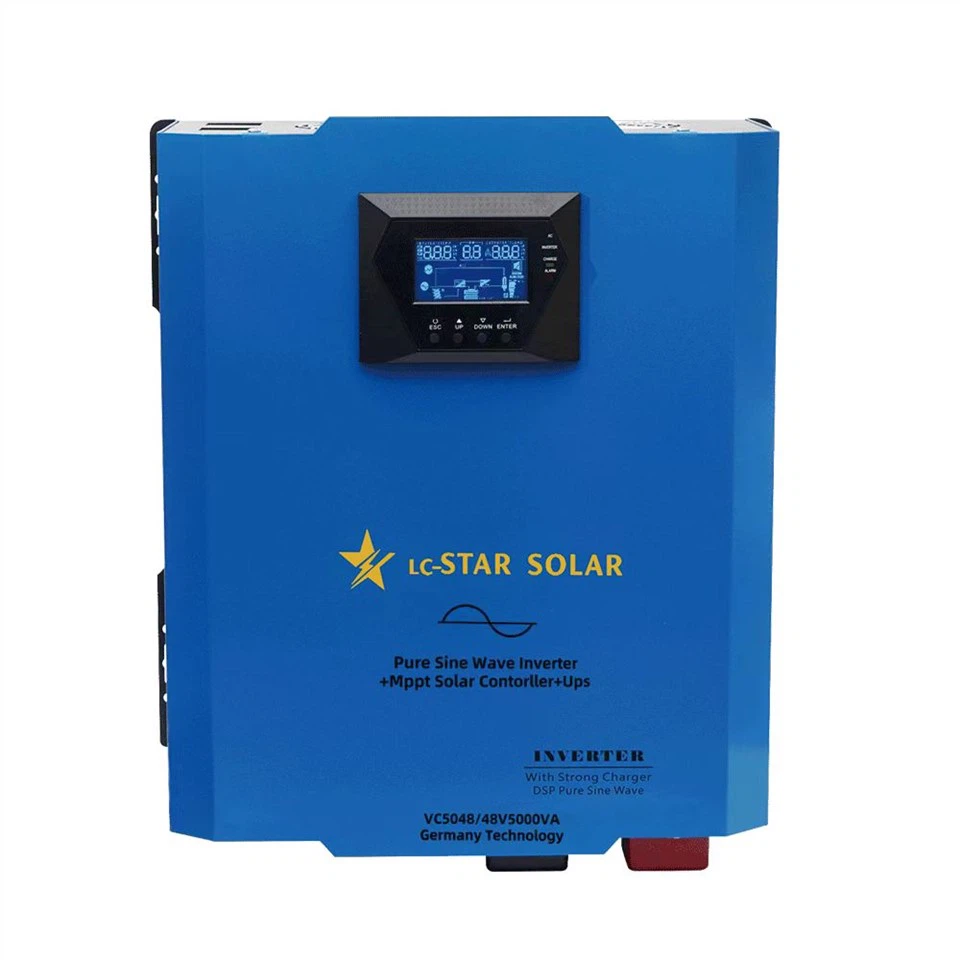

- Batteries: The most common type of battery used in home power storage systems is the lithium-ion battery. Lithium-ion batteries are generally considered to be more resistant to corrosion than other types of batteries, such as lead-acid batteries. However, the battery casing and terminals are often made of metal, which can be susceptible to saltwater corrosion if not properly protected.
- Inverters: Inverters are responsible for converting the DC power stored in the batteries into AC power that can be used in the home. Inverters are typically made of a combination of metal and plastic components. The metal components, such as the heat sinks and mounting brackets, can be vulnerable to saltwater corrosion.
- Charge Controllers: Charge controllers regulate the charging of the batteries to prevent overcharging and damage. Charge controllers are usually made of electronic components that are housed in a plastic or metal enclosure. The metal enclosure can be at risk of saltwater corrosion, especially if it is exposed to the elements.
- Wiring: The wiring in a home power storage system is used to connect the various components together. The wiring is typically made of copper or aluminum, both of which are metals that can be affected by saltwater corrosion.
Impact of Saltwater Corrosion on Home Power Storage Systems
The impact of saltwater corrosion on home power storage systems can vary depending on the severity of the corrosion and the specific components affected. In some cases, saltwater corrosion can cause minor cosmetic damage, such as rust spots on the battery casing or inverter enclosure. However, in more severe cases, saltwater corrosion can lead to more serious problems, such as electrical shorts, component failure, and reduced system performance.
- Electrical Shorts: Saltwater corrosion can cause the metal components in a home power storage system to develop a layer of rust or other corrosion products. This layer of corrosion can act as an insulator, preventing the proper flow of electricity. In some cases, the corrosion can cause the metal components to come into contact with each other, resulting in an electrical short. Electrical shorts can be dangerous and can cause damage to the system and even pose a fire hazard.
- Component Failure: Over time, saltwater corrosion can weaken the metal components in a home power storage system, causing them to break or fail. For example, corrosion on the battery terminals can cause a poor connection, leading to reduced battery performance and eventually battery failure. Corrosion on the inverter components can cause the inverter to malfunction or stop working altogether.
- Reduced System Performance: Saltwater corrosion can also have a negative impact on the overall performance of a home power storage system. For example, corrosion on the wiring can increase the resistance of the electrical circuit, resulting in a loss of power and reduced efficiency. Corrosion on the battery can reduce the battery's capacity and lifespan, leading to a shorter runtime and more frequent battery replacements.
Protecting Home Power Storage Systems from Saltwater Corrosion
While saltwater corrosion can be a concern for home power storage systems in coastal areas, there are several steps that can be taken to protect the system from corrosion and ensure its long-term reliability.
- Proper Installation: One of the most important steps in protecting a home power storage system from saltwater corrosion is to ensure that it is installed in a location that is protected from the elements. This may include installing the system indoors or in a weatherproof enclosure. The system should also be installed at a sufficient height above the ground to prevent flooding and exposure to saltwater spray.
- Use of Corrosion-Resistant Materials: When selecting components for a home power storage system, it is important to choose materials that are resistant to saltwater corrosion. For example, the battery casing and terminals should be made of a corrosion-resistant material, such as stainless steel or aluminum. The inverter and charge controller enclosures should also be made of a corrosion-resistant material, such as plastic or fiberglass.
- Regular Maintenance: Regular maintenance is essential for keeping a home power storage system in good working condition and preventing saltwater corrosion. This may include inspecting the system for signs of corrosion, cleaning the components to remove salt and other contaminants, and tightening any loose connections. It is also important to follow the manufacturer's recommended maintenance schedule and replace any worn or damaged components as needed.
- Corrosion Protection Coatings: Applying a corrosion protection coating to the metal components of a home power storage system can help to prevent saltwater corrosion. There are several types of corrosion protection coatings available, including paints, powders, and electroplating. The type of coating used will depend on the specific component and the level of protection required.
Conclusion
In conclusion, home power storage systems can be affected by saltwater corrosion in coastal areas. However, by taking the appropriate precautions, such as proper installation, use of corrosion-resistant materials, regular maintenance, and the application of corrosion protection coatings, it is possible to minimize the risk of corrosion and ensure the long-term reliability of the system.
If you are considering installing a home power storage system in a coastal area, I encourage you to do your research and choose a system that is designed to withstand the harsh coastal environment. You may also want to consult with a professional installer or a technical expert to ensure that the system is installed and maintained properly.
At [Company Name], we offer a range of Home Solar Storage System that are designed to be reliable and durable, even in coastal areas. Our Battery Storage for Home Solar Systems are made with high-quality, corrosion-resistant materials and are backed by our industry-leading warranty. We also offer a comprehensive installation and maintenance service to ensure that your system is installed and maintained properly.
If you have any questions or would like to learn more about our home power storage systems, please feel free to contact us. We would be happy to discuss your specific needs and help you choose the right system for your home.
References
- "Corrosion of Metals in Seawater" by Robert G. Kelly and William H. Hager
- "Lithium-Ion Batteries: Science and Technologies" by Yoshio Masuda and Akiya Kudo
- "Electrical Installation Handbook" by Schneider Electric