




Can a 5000W car power inverter be used with a deep - cycle battery?
 Oct 30, 2025|
 Hey there! As a supplier of the 5000W Car Power Inverter, I often get asked if this beast of an inverter can be used with a deep-cycle battery. It's a great question, and in this blog, I'll break it all down for you.
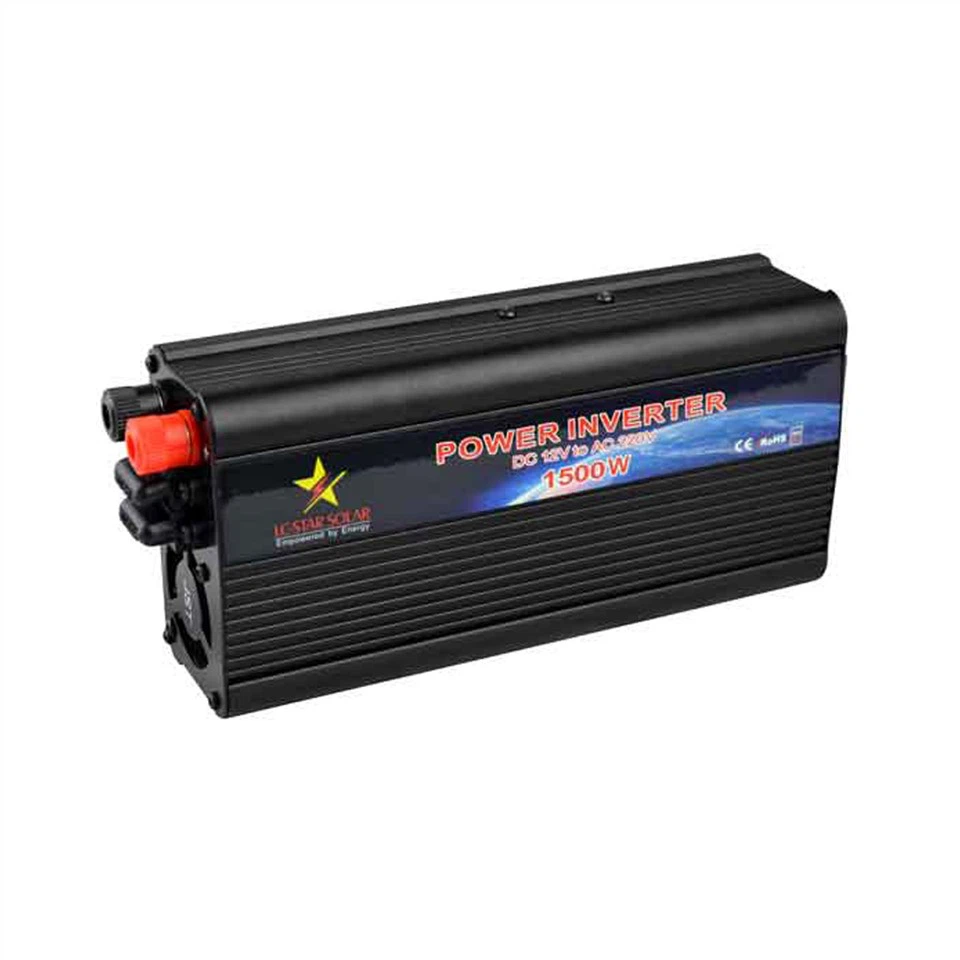
First off, let's talk about what a 5000W car power inverter is. This bad boy is designed to convert DC (direct current) power from your vehicle's battery or other DC sources into AC (alternating current) power. With a 5000W capacity, it can handle some pretty heavy-duty appliances and electronics. You could use it to power things like a small refrigerator, power tools, or even some home entertainment systems when you're on the go.
Now, deep-cycle batteries are a bit different from your regular car batteries. Regular car batteries are designed to provide a large burst of power to start your engine and then recharge quickly. On the other hand, deep-cycle batteries are built to be discharged and recharged multiple times over a longer period. They're commonly used in things like RVs, boats, and off-grid solar systems.
So, can a 5000W car power inverter be used with a deep-cycle battery? The short answer is yes, but there are a few things you need to consider.
Compatibility
The first thing you need to check is the compatibility between the inverter and the deep-cycle battery. The inverter needs to be able to handle the voltage and current output of the battery. Most deep-cycle batteries come in 12V, 24V, or 48V configurations. Make sure your 5000W inverter is rated for the voltage of your deep-cycle battery. If the voltage doesn't match, you could damage the inverter or the battery.
Battery Capacity
Another crucial factor is the battery capacity. A 5000W inverter can draw a significant amount of power, so you need a deep-cycle battery with enough capacity to handle the load. The capacity of a battery is measured in amp-hours (Ah). The higher the Ah rating, the more energy the battery can store.
Let's say you want to run a 1000W appliance using your 5000W inverter. If your deep-cycle battery is a 12V battery, you can use the formula P = VI (Power = Voltage x Current) to calculate the current draw. So, 1000W / 12V = 83.33A. If your battery has a capacity of 100Ah, it can theoretically power the 1000W appliance for about 1.2 hours (100Ah / 83.33A). Keep in mind that this is a rough estimate, and actual runtime may vary depending on factors like battery efficiency and inverter losses.
Charging System
Using a 5000W inverter with a deep-cycle battery will drain the battery quickly, so you need a reliable charging system to keep the battery topped up. You can use a solar panel system, a generator, or a vehicle's alternator to charge the battery.
If you're using a solar panel system, make sure you have enough solar panels to generate enough power to recharge the battery. The size and number of solar panels you need will depend on the battery capacity and the amount of power you're using.
A generator can also be a good option, especially if you need to power high-wattage appliances for an extended period. Just make sure the generator has enough power output to handle the load of the inverter and the appliances.
If you're using a vehicle's alternator to charge the battery, you need to make sure the alternator can handle the additional load. Some vehicles may require an upgraded alternator to charge a deep-cycle battery effectively.
Safety Precautions
When using a 5000W car power inverter with a deep-cycle battery, safety should be your top priority. Here are some safety precautions you should follow:
- Proper Installation: Make sure the inverter is installed correctly and securely. Follow the manufacturer's instructions for wiring and grounding.
- Ventilation: Inverters generate heat when they're in use, so make sure there's adequate ventilation around the inverter. Don't cover the inverter or place it in a confined space.
- Overload Protection: Most 5000W inverters come with built-in overload protection, but it's still a good idea to avoid overloading the inverter. Make sure the total wattage of the appliances you're using doesn't exceed the inverter's rated capacity.
- Battery Maintenance: Regularly check the condition of your deep-cycle battery. Keep the battery terminals clean and tight, and make sure the battery is properly charged.
Benefits of Using a 5000W Inverter with a Deep-Cycle Battery
There are several benefits to using a 5000W car power inverter with a deep-cycle battery:
- Portable Power: You can take your power source with you wherever you go. Whether you're camping, tailgating, or working on a job site, you can power your appliances and electronics without being tied to a traditional power outlet.
- Versatility: A 5000W inverter can handle a wide range of appliances and electronics, from small devices to large power tools. This gives you more flexibility in what you can use while on the go.
- Energy Independence: With a deep-cycle battery and a 5000W inverter, you can create your own off-grid power system. This is especially useful in remote areas where access to grid power is limited.
Conclusion
In conclusion, a 5000W car power inverter can definitely be used with a deep-cycle battery, but you need to make sure you have the right setup. Check the compatibility, consider the battery capacity, have a reliable charging system, and follow the safety precautions.
If you're interested in purchasing a 5000W car power inverter or have any questions about using it with a deep-cycle battery, feel free to reach out. We're here to help you find the right solution for your power needs.
References
- Battery University. (n.d.). Deep-Cycle Batteries. Retrieved from [URL of Battery University's deep-cycle battery page]
- Solar Power World. (n.d.). Understanding Inverters. Retrieved from [URL of Solar Power World's inverter article]
- RV Travel. (n.d.). How to Choose the Right Inverter for Your RV. Retrieved from [URL of RV Travel's inverter article]