




Can a car power inverter be used in a boat?
 Oct 14, 2025|
 As a seasoned supplier of car power inverters, I often receive inquiries from boat owners curious about the feasibility of using our products on their vessels. This question is not only relevant but also crucial for those looking to enhance their boating experience with electrical appliances. In this blog, I'll delve into the technical aspects, safety considerations, and practicalities of using a car power inverter in a boat.
Technical Compatibility
At the core of the matter is the technical compatibility between a car power inverter and a boat's electrical system. Both cars and boats typically operate on a 12V DC electrical system, which is the input voltage most car power inverters are designed to handle. This similarity in voltage is a fundamental factor that makes it theoretically possible to use a car power inverter in a boat.
However, it's important to note that boats may have different electrical requirements and configurations compared to cars. For instance, boats often have larger battery banks to power various onboard systems, such as navigation lights, bilge pumps, and refrigeration units. When using a car power inverter, it's essential to ensure that the inverter's power rating is compatible with the boat's battery capacity and electrical load.
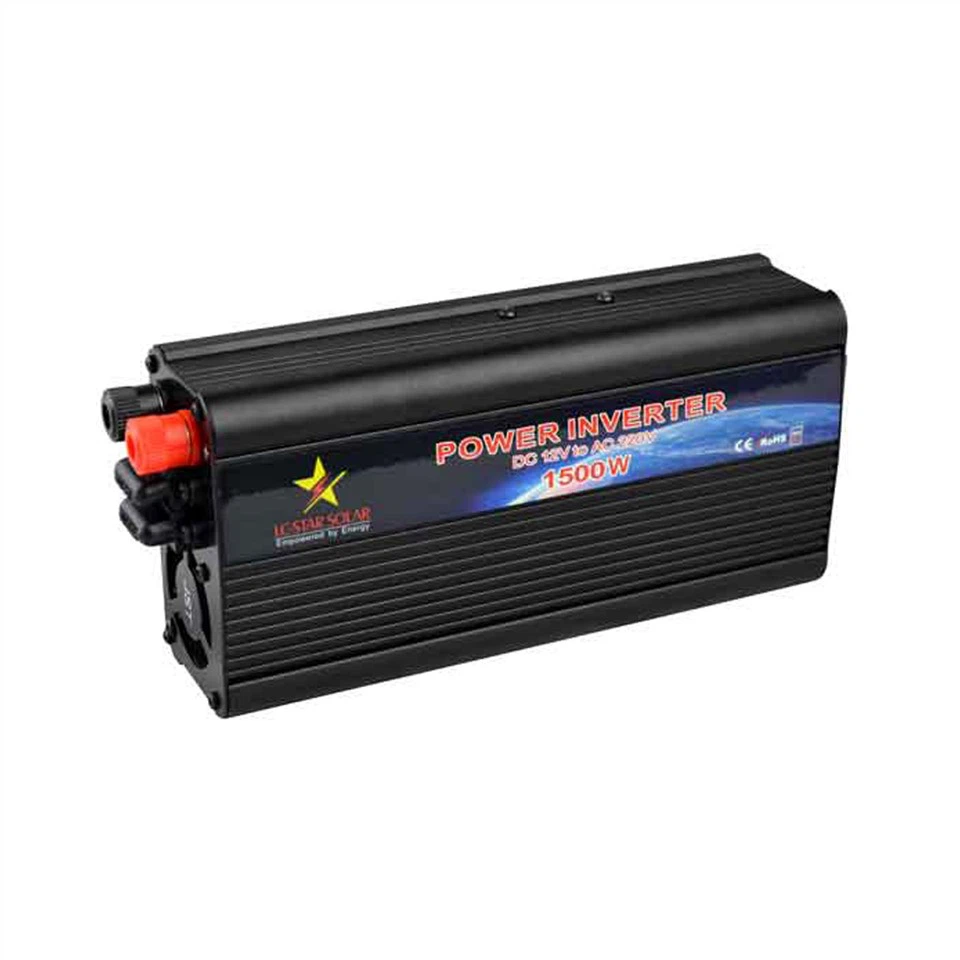
Let's take a look at the 5000W Car Power Inverter. This high-capacity inverter can handle a significant electrical load, making it suitable for powering multiple appliances simultaneously. But before connecting it to a boat's electrical system, you need to calculate the total power consumption of the appliances you plan to use and ensure that the boat's battery can supply enough power to the inverter.
Safety Considerations
Safety is paramount when using any electrical equipment, especially in a marine environment. Boats are exposed to water, humidity, and vibrations, which can pose additional risks compared to cars. Therefore, it's crucial to take extra precautions when installing and using a car power inverter in a boat.
First and foremost, choose an inverter that is designed to be waterproof or at least water-resistant. Look for inverters with an IP (Ingress Protection) rating that indicates their level of protection against dust and water. An inverter with a high IP rating, such as IP67, is ideal for marine applications as it can withstand immersion in water up to a certain depth.
Secondly, ensure that the inverter is properly grounded to prevent electrical shocks and short circuits. In a boat, the grounding system is typically connected to the hull, which serves as a large conductor. Make sure to follow the manufacturer's instructions for grounding the inverter and use appropriate grounding cables.
Another important safety consideration is overloading. Overloading an inverter can cause it to overheat, which can lead to damage or even a fire. To avoid overloading, calculate the total power consumption of the appliances you plan to use and choose an inverter with a power rating that is higher than the total load. Additionally, avoid using high-power appliances, such as hair dryers or microwave ovens, simultaneously to prevent overloading the inverter.
Practicalities of Use
In addition to technical compatibility and safety considerations, there are several practical aspects to consider when using a car power inverter in a boat. One of the main advantages of using an inverter is the ability to power electrical appliances that are not typically available on a boat. For example, you can use a laptop, a smartphone charger, or a small refrigerator to make your boating experience more comfortable and convenient.
However, it's important to note that using an inverter can drain the boat's battery quickly, especially if you're using high-power appliances. To avoid draining the battery, it's recommended to use the inverter only when the boat's engine is running or when the battery is being charged. Additionally, consider using energy-efficient appliances to reduce the power consumption and extend the battery life.
Another practical consideration is the installation process. Installing a car power inverter in a boat requires some technical knowledge and skills. If you're not familiar with electrical systems, it's recommended to hire a professional electrician to install the inverter for you. Make sure to follow the manufacturer's instructions carefully and use appropriate tools and materials.
Conclusion
In conclusion, a car power inverter can be used in a boat, but it's important to consider the technical compatibility, safety, and practicalities before making a decision. As a supplier of car power inverters, I recommend choosing an inverter that is specifically designed for marine applications and has a high IP rating. Additionally, make sure to calculate the total power consumption of the appliances you plan to use and choose an inverter with a power rating that is higher than the total load.
If you're interested in purchasing a car power inverter for your boat, please feel free to contact me for more information. I'll be happy to assist you in choosing the right inverter for your needs and provide you with professional advice on installation and usage.
References
- "Marine Electrical Systems Handbook" by Nigel Calder
- "Boatowner's Mechanical and Electrical Manual" by Charles Doane