




Can a car power inverter damage my car battery?
 Jan 21, 2026|
 When it comes to using a car power inverter, one of the most frequently asked questions is, "Can a car power inverter damage my car battery?" As a professional car power inverter supplier, I'm here to break down the science behind this concern and provide you with a comprehensive answer.
Understanding Car Power Inverters
Before delving into the potential impact on car batteries, it's essential to understand what a car power inverter is. In simple terms, a car power inverter is a device that converts the direct current (DC) from your car's battery into alternating current (AC), which is the type of electricity used in most household appliances. This transformation allows you to power various electronic devices—such as laptops, smartphones, and small kitchen appliances—while on the go.
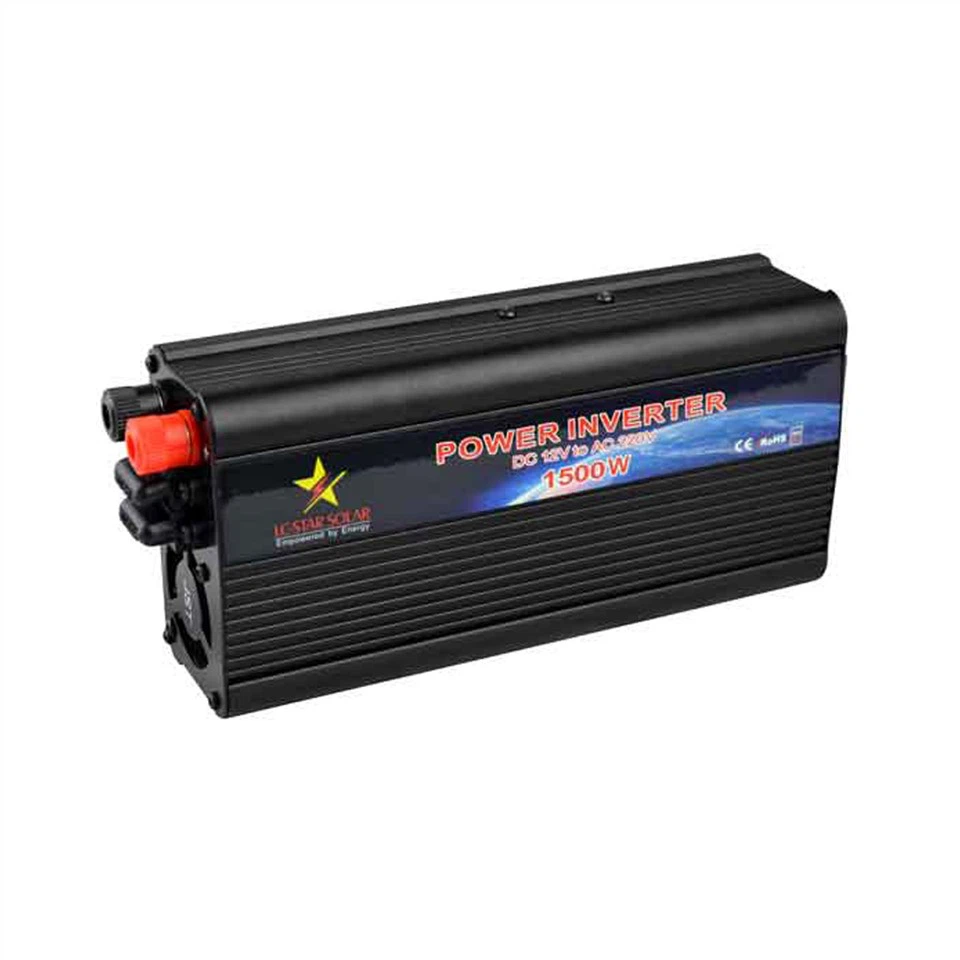
The market offers a wide range of car power inverters with different power capacities. For instance, we offer a 5000W Car Power Inverter that can handle high - power devices. The power rating of an inverter indicates the maximum amount of electrical power it can deliver.
How a Car Battery Works
To understand the relationship between a car power inverter and the battery, we need to understand how a car battery functions. A car battery is designed to provide a significant amount of electrical power to start the engine. Once the engine is running, the alternator takes over, recharging the battery and providing power to other electrical systems in the car.
Typically, a car battery has a specific amp - hour (Ah) rating, which represents the amount of current it can supply over a certain period. For example, a 50Ah battery can theoretically supply 1 amp of current for 50 hours or 5 amps for 10 hours.
Factors That Determine If an Inverter Can Damage a Battery
Power Consumption
The power consumption of the devices connected to the inverter is a crucial factor. If you connect high - power devices to a low - capacity inverter or draw more power than the battery can supply, it can lead to problems. For example, if you try to run a 1500 - watt microwave using an inverter connected to a standard car battery, the battery will be under a tremendous load. The battery will discharge rapidly, and if the engine is off, it may not be able to recharge in time, potentially leading to a drained or damaged battery.
On the other hand, if you use low - power devices like a smartphone charger (which usually consumes less than 10 watts), the impact on the battery is minimal. Even when the engine is off, a modern car battery can handle this level of power draw for a reasonable amount of time without significant damage.
Inverter Efficiency
The efficiency of the inverter also plays a role. No inverter is 100% efficient; some power is always lost as heat during the conversion process. A less efficient inverter will draw more power from the battery to achieve the same output power for your devices. So, if you have an old or low - quality inverter, it may cause the battery to drain faster compared to a high - efficiency one.
Battery Condition
The condition of the car battery is another critical factor. An old or weak battery may not be able to handle the additional load from a power inverter. If the battery is already nearing the end of its lifespan or has been damaged due to overcharging or undercharging in the past, using an inverter can exacerbate the problem. A healthy battery, on the other hand, is more likely to withstand the power demands of an inverter without significant issues.
Situations Where an Inverter Can Damage a Battery
Long - term Use with the Engine Off
If you use a car power inverter for an extended period with the engine off, it can drain the battery. Once the battery is deeply discharged, it can cause sulfation. Sulfation occurs when lead sulfate crystals form on the battery plates. These crystals can reduce the battery's capacity and, in severe cases, make the battery completely unusable. For example, if you leave a high - power inverter running all night to power a camping fridge, the battery may be over - discharged.
Using an Incompatible Inverter
Using an inverter that is not compatible with your car's electrical system can also be harmful. Some inverters may have a different voltage output or current rating than what your car's battery and electrical system can handle. This mismatch can lead to overheating of the battery, damage to the electrical components in the car, and a shorter battery lifespan.
Situations Where an Inverter Is Unlikely to Damage a Battery
Short - term Use
If you only use the inverter for short periods, such as charging your phone or laptop during a short drive, it is unlikely to cause any significant damage to the battery. The alternator will have enough time to recharge the battery after the power draw from the inverter.
Use with the Engine Running
When the engine is running, the alternator provides power to the electrical system and recharges the battery. So, using an inverter while the engine is running generally does not pose a risk to the battery. The alternator can handle the additional load from the inverter, as long as the total power demand does not exceed its capacity.
Tips to Protect Your Battery When Using an Inverter
- Choose the Right Inverter: Select an inverter with a power rating that matches your needs. If you only need to power small devices, a low - capacity inverter will suffice. Avoid using an oversized inverter, as it may draw more power from the battery even when not fully loaded.
- Monitor Battery Voltage: Use a battery voltage monitor to keep an eye on the battery's state of charge. If the voltage drops too low, stop using the inverter and start the engine to recharge the battery.
- Maintain Your Battery: Regularly check the battery's water level (if it's a non - maintenance - free battery), clean the battery terminals, and ensure that the battery is properly secured. A well - maintained battery is more likely to handle the load from an inverter.
Conclusion
In conclusion, a car power inverter itself does not necessarily damage your car battery. However, improper use, such as long - term use with the engine off, using an incompatible inverter, or overloading the system, can lead to battery damage. As a car power inverter supplier, we are committed to providing high - quality inverters with clear usage instructions to help you avoid these issues.
If you're interested in purchasing a car power inverter or have any questions about its compatibility with your car's battery, feel free to contact us for detailed information and professional advice. Our team of experts is always ready to assist you in making the right choice for your power needs.
References
- "Automotive Battery Technology: Principles and Applications." John Wiley & Sons, Inc.
- "Power Electronics: Converters, Applications, and Design." Pearson Education Inc.