




Can a home battery system for solar be used in areas prone to natural disasters?
 Sep 11, 2025|
Can a home battery system for solar be used in areas prone to natural disasters?
As a supplier of home battery systems for solar, I often get asked whether these systems are suitable for areas that are prone to natural disasters. The short answer is yes, but there are several factors to consider.
Understanding Home Battery Systems for Solar
Before delving into their suitability for disaster - prone areas, let's briefly understand what home battery systems for solar are. A Home Battery Energy Storage System is designed to store the excess electricity generated by solar panels during the day. This stored energy can then be used during periods when the solar panels are not producing electricity, such as at night or during cloudy days.
One of the most popular types of home battery systems for solar is the Lithium Ion Battery System for Home Solar Power. Lithium - ion batteries are known for their high energy density, long lifespan, and relatively low self - discharge rate. They are also lightweight and require less maintenance compared to other types of batteries. Another option is the Rack Mount Lithium Ion Battery, which is designed for easy installation and scalability.

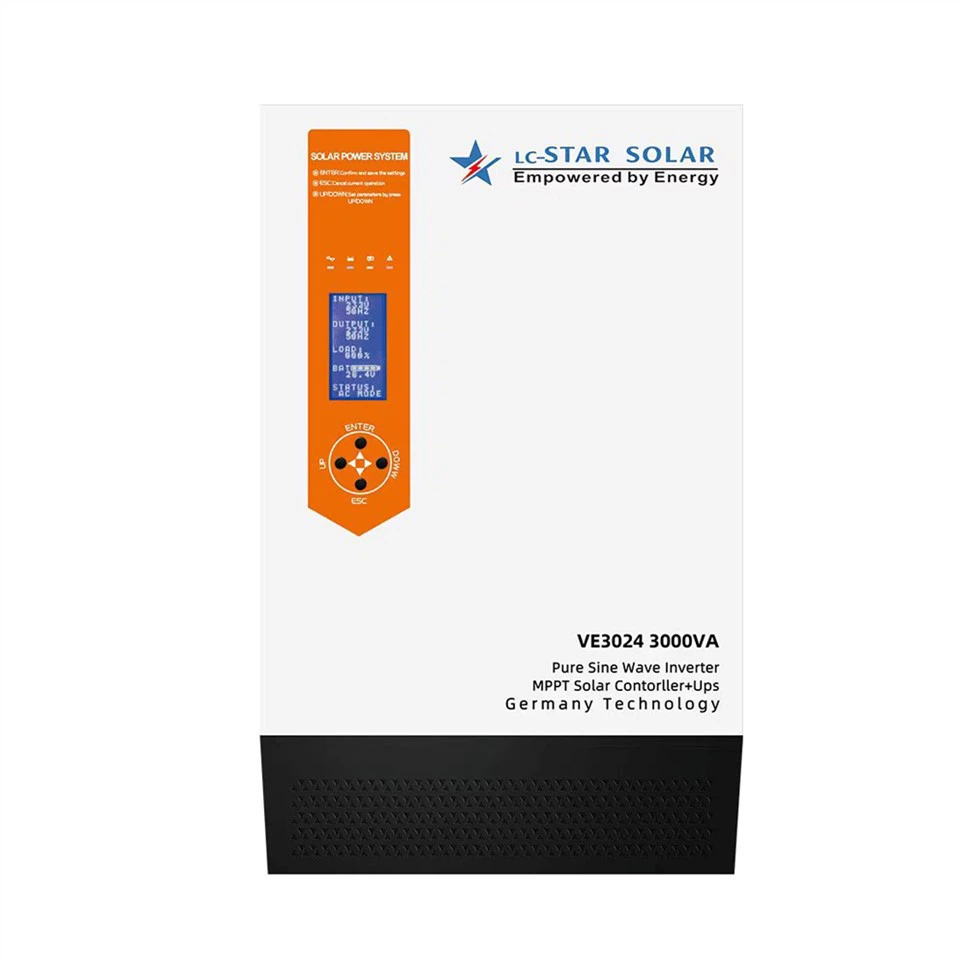
Advantages of Home Battery Systems in Disaster - Prone Areas
Power Continuity
One of the primary advantages of having a home battery system for solar in an area prone to natural disasters is power continuity. Natural disasters such as hurricanes, earthquakes, and wildfires can often disrupt the power grid. When the grid goes down, homes without a backup power source are left in the dark. A home battery system can provide electricity to essential appliances such as refrigerators, lights, and medical equipment, ensuring that residents have access to basic necessities during an emergency.
Independence from the Grid
In disaster - prone areas, the power grid can be unreliable. By having a home battery system for solar, homeowners can reduce their dependence on the grid. This is especially important in areas where power outages can last for days or even weeks. With a solar - battery system, homeowners can generate and store their own electricity, providing a sense of security and self - sufficiency.
Environmental Benefits
Solar energy is a clean and renewable source of energy. By using a home battery system for solar, homeowners can reduce their carbon footprint. In the aftermath of a natural disaster, having a clean energy source can be beneficial for the environment, as it reduces the need for fossil - fuel - based generators, which can emit harmful pollutants.
Challenges and Considerations
Extreme Weather Conditions
While home battery systems for solar offer many benefits, they also face some challenges in disaster - prone areas. Extreme weather conditions can pose a threat to the performance and lifespan of the batteries. For example, high temperatures can cause the batteries to overheat, reducing their efficiency and lifespan. On the other hand, extremely cold temperatures can also affect the battery's performance, as the chemical reactions inside the battery slow down.
Physical Damage
Natural disasters can cause physical damage to the home battery system. Strong winds, floods, and earthquakes can damage the solar panels, batteries, and other components of the system. It is important to ensure that the system is installed in a safe location and is properly protected against potential damage. This may involve using hurricane - resistant mounting systems for solar panels and elevating the battery storage unit to prevent flood damage.
Maintenance and Safety
Home battery systems require regular maintenance to ensure optimal performance. In disaster - prone areas, it may be more challenging to access maintenance services, especially during and after a natural disaster. Additionally, safety is a major concern when dealing with batteries. Lithium - ion batteries, in particular, can pose a fire risk if they are damaged or not properly maintained. Homeowners need to be aware of the safety precautions and follow the manufacturer's guidelines.
Mitigating Risks
Temperature Management
To mitigate the effects of extreme temperatures, it is important to implement temperature management strategies. This can include installing the battery system in a well - ventilated area, using thermal insulation, and incorporating cooling or heating systems if necessary. Some advanced battery systems are equipped with built - in temperature sensors and management systems to ensure that the batteries operate within the optimal temperature range.
Physical Protection
To protect the home battery system from physical damage, homeowners should invest in high - quality protective equipment. This can include impact - resistant enclosures for the batteries and solar panels, as well as flood - proofing measures. Additionally, it is important to regularly inspect the system for any signs of damage and make repairs as needed.
Emergency Preparedness
Homeowners should also have an emergency preparedness plan in place for their home battery system. This can include having a list of emergency contacts, such as the battery system manufacturer and local electricians. It is also important to have a supply of spare parts and tools on hand in case of a breakdown.
Case Studies
Let's take a look at some real - world examples of how home battery systems for solar have been used in disaster - prone areas. In Puerto Rico, after Hurricane Maria in 2017, many residents were left without power for months. Some homeowners who had installed solar - battery systems were able to keep their lights on and their refrigerators running. These systems not only provided power during the outage but also helped the community recover more quickly by reducing the strain on the limited resources available.
In California, where wildfires are a common occurrence, home battery systems for solar have become increasingly popular. Homeowners are using these systems to ensure that they have power during evacuations and power shut - offs. The stored energy can be used to charge phones, power medical devices, and keep essential appliances running.
Conclusion
In conclusion, a home battery system for solar can be a valuable asset in areas prone to natural disasters. While there are challenges and considerations, the benefits of power continuity, independence from the grid, and environmental sustainability outweigh the risks. As a supplier of home battery systems for solar, we are committed to providing high - quality products and services to help homeowners in disaster - prone areas protect their homes and families.
If you are interested in learning more about our home battery systems for solar or would like to discuss a potential purchase, please feel free to contact us. We look forward to helping you find the best solution for your needs.
References
- International Renewable Energy Agency (IRENA). "Renewable Energy and Disaster Resilience."
- U.S. Department of Energy. "Energy Storage for Homeowners in Disaster - Prone Areas."
- Solar Energy Industries Association (SEIA). "Benefits of Solar - Battery Systems in Emergency Situations."