




Can a household energy storage system be used in rural areas?
 Jul 22, 2025|
 As a supplier of Household Energy Storage Systems, I've often been asked whether these systems can be effectively used in rural areas. This question is not only relevant but also crucial in the context of the growing demand for reliable and sustainable energy solutions. In this blog, I'll explore the viability, benefits, challenges, and considerations of using household energy storage systems in rural settings.
Viability of Household Energy Storage Systems in Rural Areas
Rural areas often face unique energy challenges compared to urban counterparts. Power outages can be more frequent due to longer power lines, difficult terrain, and less robust grid infrastructure. Moreover, some rural communities may be located far from the main power grid, making them dependent on expensive and polluting diesel generators. This is where household energy storage systems come into play.
These systems can store energy generated from renewable sources such as solar panels, wind turbines, or even during off - peak hours when electricity is cheaper. For rural households, this means having a reliable backup power source during outages and the ability to use clean energy even when the grid is down.
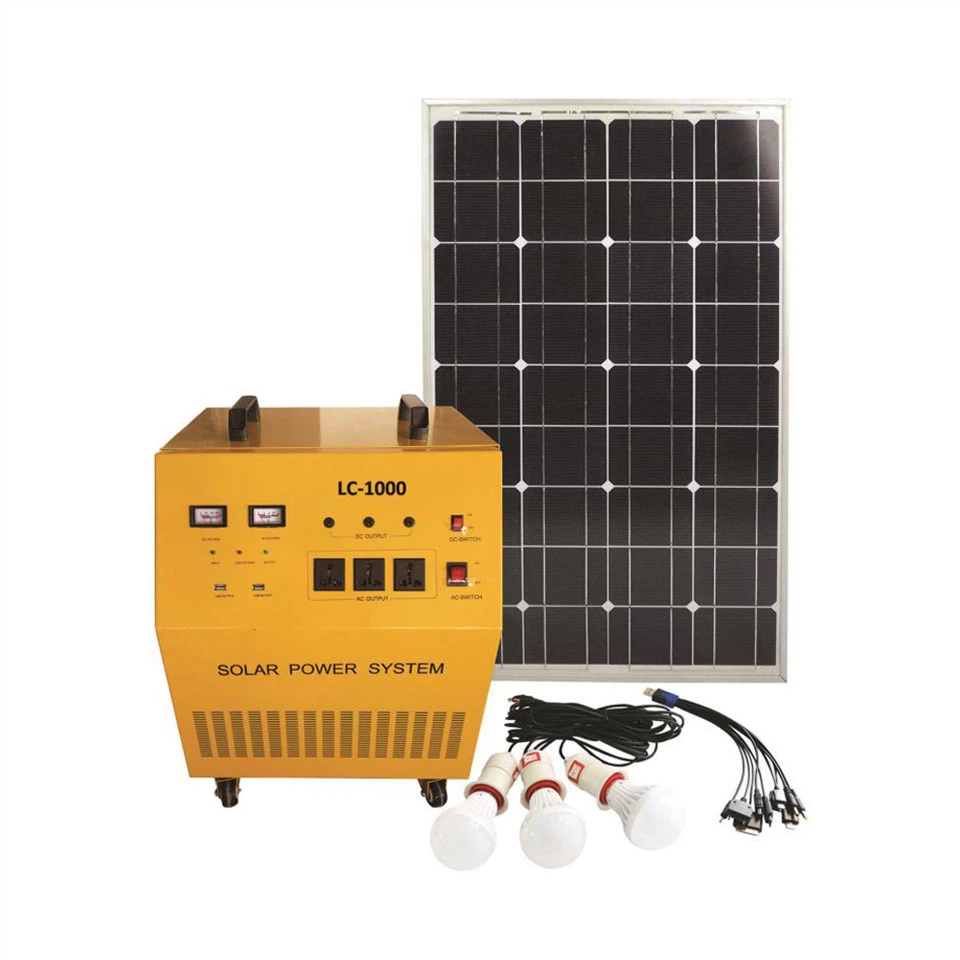
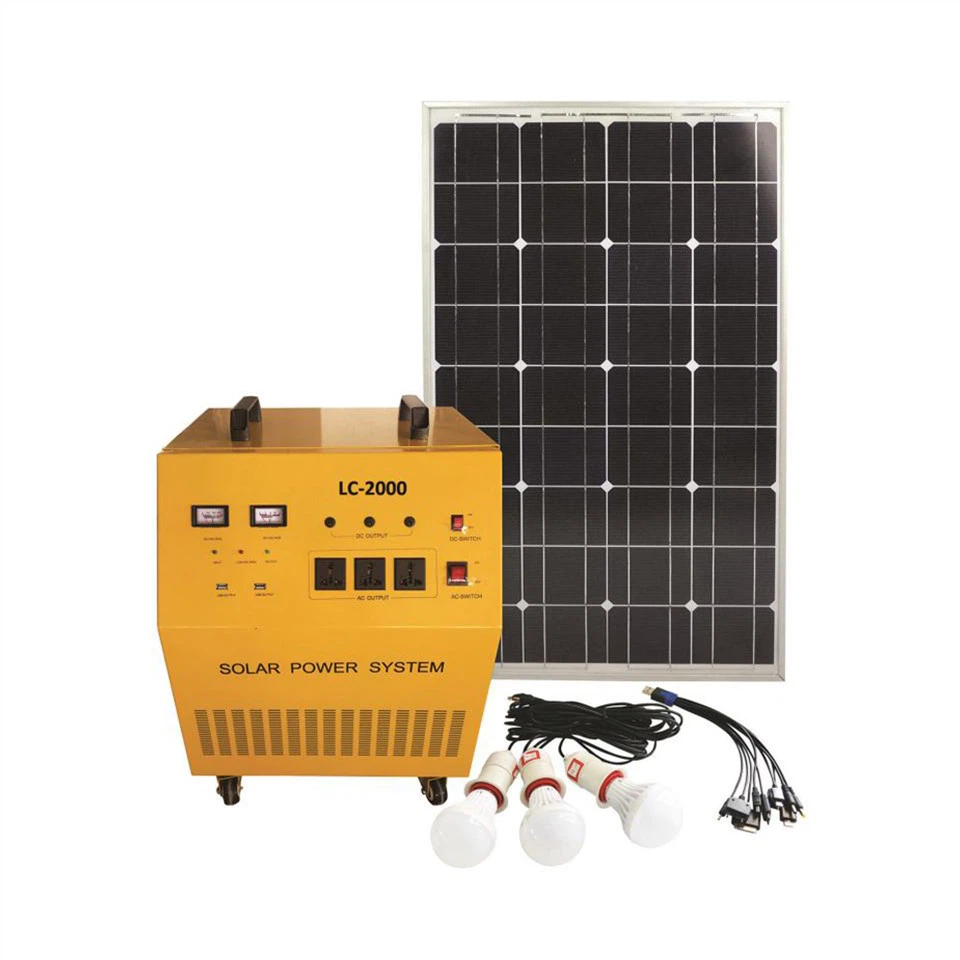
A Solar System for Home with Battery is a prime example of a household energy storage solution that can be highly effective in rural areas. Solar energy is abundant in most rural regions, and with a battery storage system, the energy generated during the day can be stored and used at night or during cloudy days.
Benefits of Using Household Energy Storage Systems in Rural Areas
Energy Independence
One of the most significant benefits of a Household Energy Storage System in rural areas is the potential for energy independence. Rural households can reduce their reliance on the grid and, in some cases, become completely self - sufficient. This is especially important for those living in remote areas where grid connection may be unreliable or non - existent.
Cost Savings
Over time, household energy storage systems can lead to substantial cost savings. By storing energy during off - peak hours or generating their own solar power, rural homeowners can avoid peak - time electricity rates. Additionally, they can reduce or eliminate the need for expensive diesel generators, which not only require fuel but also regular maintenance.
Environmental Sustainability
Rural areas are often rich in natural resources, and using renewable energy sources with energy storage systems can help preserve these environments. Solar and wind energy are clean and sustainable, and by reducing the use of fossil fuels, rural communities can contribute to a healthier planet.
Improved Quality of Life
Reliable power supply is essential for modern living. With a household energy storage system, rural residents can enjoy continuous access to electricity for lighting, heating, cooling, and running essential appliances. This can enhance the overall quality of life, especially in areas where power outages are common.
Challenges of Implementing Household Energy Storage Systems in Rural Areas
High Initial Cost
One of the main barriers to the widespread adoption of household energy storage systems in rural areas is the high initial cost. The purchase and installation of a Home Electricity Storage Systems can be expensive, which may be a significant deterrent for many rural households with limited financial resources.
Technical Expertise
Installing and maintaining a household energy storage system requires a certain level of technical expertise. In rural areas, finding qualified technicians may be challenging, and residents may lack the necessary knowledge to operate and troubleshoot the system effectively.
Limited Infrastructure
Rural areas may have limited infrastructure for supporting renewable energy systems. For example, the availability of charging stations for electric vehicles or the ability to connect to the grid for selling excess energy may be restricted.
Considerations for Using Household Energy Storage Systems in Rural Areas
Energy Needs Assessment
Before investing in a household energy storage system, rural homeowners should conduct a thorough assessment of their energy needs. This includes considering the number of appliances, their power consumption, and the daily and seasonal variations in energy usage. Understanding these factors will help in selecting the right size and type of energy storage system.
Climate and Weather Conditions
Rural areas can have diverse climate and weather conditions. Solar panels may be less effective in areas with long periods of cloud cover, while wind turbines may require consistent wind speeds. It's important to choose an energy storage system that can adapt to the local climate and weather patterns.
Regulatory and Policy Environment
The regulatory and policy environment can have a significant impact on the viability of household energy storage systems in rural areas. Some regions may offer incentives such as tax credits, subsidies, or net - metering programs, which can make the investment more attractive. Homeowners should research and understand the local regulations and policies before making a decision.
Case Studies of Successful Implementation in Rural Areas
There are several examples of successful implementation of household energy storage systems in rural areas around the world. In some African villages, solar - battery systems have been installed to provide reliable electricity for lighting, water pumping, and small businesses. These systems have not only improved the quality of life but also boosted economic development in these communities.
In the United States, rural households in areas prone to wildfires and power outages have turned to household energy storage systems to ensure a continuous power supply. These systems have proven to be a reliable backup during emergencies and have reduced the dependence on the grid.
Conclusion
In conclusion, household energy storage systems can be a viable and beneficial solution for rural areas. Despite the challenges, the potential for energy independence, cost savings, environmental sustainability, and improved quality of life make them an attractive option. As a supplier of Household Energy Storage Systems, I believe that with the right planning, support, and technology, these systems can transform the energy landscape in rural communities.
If you're a rural homeowner interested in exploring the possibilities of a household energy storage system for your home, I encourage you to reach out to us. We can provide you with detailed information, conduct an energy needs assessment, and help you find the best solution for your specific situation. Let's work together to bring reliable and sustainable energy to rural areas.
References
- "Renewable Energy in Rural Areas: Challenges and Opportunities" - International Renewable Energy Agency (IRENA)
- "The Economics of Household Energy Storage Systems" - Journal of Energy Economics
- "Case Studies of Energy Storage Implementation in Rural Communities" - World Bank Energy Sector Management Assistance Program