




Can home electricity storage systems be used in high - rise buildings?
 Nov 04, 2025|
Hey there! I'm a supplier of Home Electricity Storage Systems, and today I wanna have a chat about whether these systems can be used in high - rise buildings.
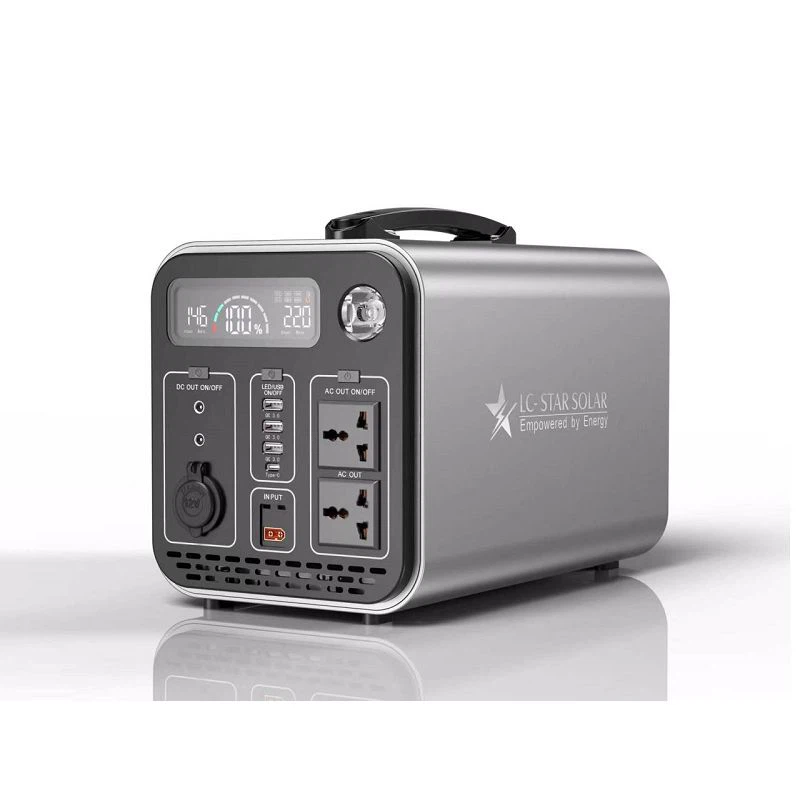
Let's first understand what home electricity storage systems are. Simply put, they're devices that store electrical energy for later use. You can think of them as big batteries for your home. The Household Energy Storage System can store electricity from the grid during off - peak hours when the electricity is cheaper, and then use it during peak hours. It can also store energy from renewable sources like solar power, which is what the Solar Storage System for Home does.
Now, let's get to the main question: Can these systems be used in high - rise buildings? Well, the short answer is yes, but there are some factors we need to consider.
Advantages of Using Home Electricity Storage Systems in High - Rise Buildings
1. Energy Cost Savings
High - rise buildings usually have a large number of residents, which means a high demand for electricity. By using a home electricity storage system, the building can take advantage of off - peak electricity rates. For example, during the night when the electricity demand is low, the storage system can charge up. Then, during the day when the rates are high, the building can use the stored electricity, reducing the overall electricity cost for the residents.
2. Emergency Power Supply
In high - rise buildings, power outages can be a real pain. Elevators can get stuck, and essential systems like lighting and ventilation may stop working. That's where the Emergency Power Supply feature of the home electricity storage system comes in handy. It can provide power during an outage, ensuring the safety and comfort of the residents until the main power is restored.
3. Integration with Renewable Energy
Many high - rise buildings are now installing solar panels on their rooftops. A home electricity storage system can store the excess solar energy generated during the day. This stored energy can then be used at night or on cloudy days, making the building more energy - independent and environmentally friendly.
Challenges of Using Home Electricity Storage Systems in High - Rise Buildings
1. Space Constraints
High - rise buildings often have limited space. Finding a suitable location to install a large - scale home electricity storage system can be a challenge. The system needs to be placed in a well - ventilated area to prevent overheating, and it also needs to be easily accessible for maintenance.
2. Safety Concerns
Home electricity storage systems usually contain batteries, which can pose safety risks if not properly installed and maintained. For example, lithium - ion batteries, which are commonly used in these systems, can overheat and even catch fire if there's a short - circuit or other malfunctions. In a high - rise building, a fire caused by a battery system can be extremely dangerous and difficult to control.
3. Building Regulations
Each high - rise building may have its own set of regulations and safety standards. Installing a home electricity storage system may require approval from the building management and relevant authorities. These regulations are in place to ensure the safety of the residents, but they can also make the installation process more complicated and time - consuming.
Solutions to the Challenges
1. Compact Design
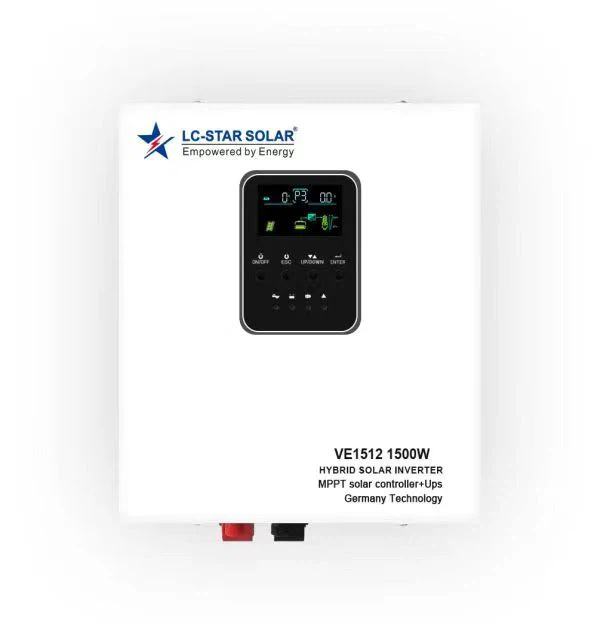
To address the space constraints, many manufacturers are now developing more compact home electricity storage systems. These systems take up less space while still providing the same amount of energy storage capacity. Some systems are even designed to be wall - mounted, which can be a great solution for high - rise buildings with limited floor space.
2. Advanced Safety Features
Manufacturers are also focusing on improving the safety of home electricity storage systems. For example, modern systems are equipped with advanced battery management systems that can monitor the temperature, voltage, and current of the batteries. If any abnormal conditions are detected, the system can automatically shut down to prevent further damage.
3. Working with Building Management
As a supplier, I always recommend working closely with the building management when installing a home electricity storage system. We can help them understand the benefits of the system and ensure that all the necessary safety measures are in place. By getting their support from the beginning, we can make the installation process smoother and comply with all the building regulations.
Case Studies
Let's take a look at a couple of real - world examples. There's a high - rise apartment building in a big city. They installed a Household Energy Storage System a few years ago. After the installation, the residents noticed a significant reduction in their electricity bills. The building management was also happy because they no longer had to worry about power outages affecting the elevators and other essential systems.
Another example is a commercial high - rise building that integrated a Solar Storage System for Home with their rooftop solar panels. The stored solar energy was used to power the building's common areas, such as the lobby and hallways. This not only reduced the building's carbon footprint but also saved a lot of money on electricity costs.
Conclusion
In conclusion, home electricity storage systems can definitely be used in high - rise buildings. They offer many advantages, such as energy cost savings, emergency power supply, and integration with renewable energy. However, there are also some challenges, such as space constraints, safety concerns, and building regulations. But with the right solutions, these challenges can be overcome.
If you're a building owner, manager, or even a resident of a high - rise building and you're interested in learning more about home electricity storage systems, don't hesitate to reach out. We can provide you with more detailed information, offer customized solutions, and guide you through the installation process. Let's work together to make your high - rise building more energy - efficient and sustainable.
References
- Smith, J. (2020). "The Future of Energy Storage in High - Rise Buildings". Energy Journal.
- Johnson, A. (2021). "Safety Considerations for Home Electricity Storage Systems". Safety Magazine.