




Can reliable backup power be used in cold weather?
 Aug 26, 2025|
Can reliable backup power be used in cold weather? This is a question that many of us in the energy supply industry often encounter, especially considering the diverse environmental conditions our customers face. As a supplier of Reliable Backup Power, I am here to delve into this topic and provide you with a comprehensive understanding.
Understanding the Impact of Cold Weather on Backup Power Systems
Cold weather can have a significant impact on the performance of backup power systems. To begin with, let's look at the most common component in backup power systems - batteries. Batteries are the heart of many backup power solutions, and their performance is highly temperature - sensitive.
In cold weather, the chemical reactions within batteries slow down. This reduction in chemical activity leads to a decrease in the battery's ability to deliver power. For instance, lead - acid batteries, which are widely used in backup power systems, can experience a substantial drop in capacity as the temperature drops. At around 0°C (32°F), a lead - acid battery may only be able to deliver about 60% of its rated capacity. As the temperature further decreases to - 20°C (- 4°F), this capacity can drop to as low as 20%.
Another aspect affected by cold weather is the internal resistance of the battery. The internal resistance increases in cold conditions, which means that more energy is wasted as heat when the battery is discharging. This not only reduces the overall efficiency of the backup power system but also shortens the battery's runtime.
In addition to batteries, other components of the backup power system can also be affected. For example, the electronics in inverters, which convert DC power from the battery to AC power for use in homes and businesses, may experience reduced performance or even malfunctions in extremely cold temperatures. The lubricants in generators, if used as part of the backup power system, can thicken, making it more difficult for the engine to start and run smoothly.
Types of Reliable Backup Power and Their Cold - Weather Performance
Battery - Based Backup Power Systems
- Lead - Acid Batteries: As mentioned earlier, lead - acid batteries are sensitive to cold weather. However, there are some ways to mitigate the impact. For example, using a battery heater can help maintain the battery at a more optimal temperature. Some advanced lead - acid batteries are also designed with better cold - weather performance, with improved electrolyte formulations and thicker plates to withstand lower temperatures.
- Lithium - Ion Batteries: Lithium - ion batteries generally perform better in cold weather compared to lead - acid batteries. They have a higher energy density and can maintain a relatively stable capacity at lower temperatures. However, they also have their limitations. At very low temperatures, the charging process of lithium - ion batteries can become problematic, as lithium plating may occur, which can damage the battery and reduce its lifespan.
Generator - Based Backup Power Systems
Generators are a popular choice for reliable backup power, especially for larger applications. Diesel generators, in particular, are known for their robustness. However, in cold weather, diesel fuel can gel, which can clog the fuel lines and filters, preventing the generator from starting. To address this issue, special winter - grade diesel fuel can be used, which has a lower cloud point (the temperature at which wax crystals start to form in the fuel).
Gasoline generators also face challenges in cold weather. The carburetor can ice up, and the engine may be difficult to start. Using a fuel additive that prevents ice formation and keeping the generator in a heated enclosure can help improve its cold - weather performance.
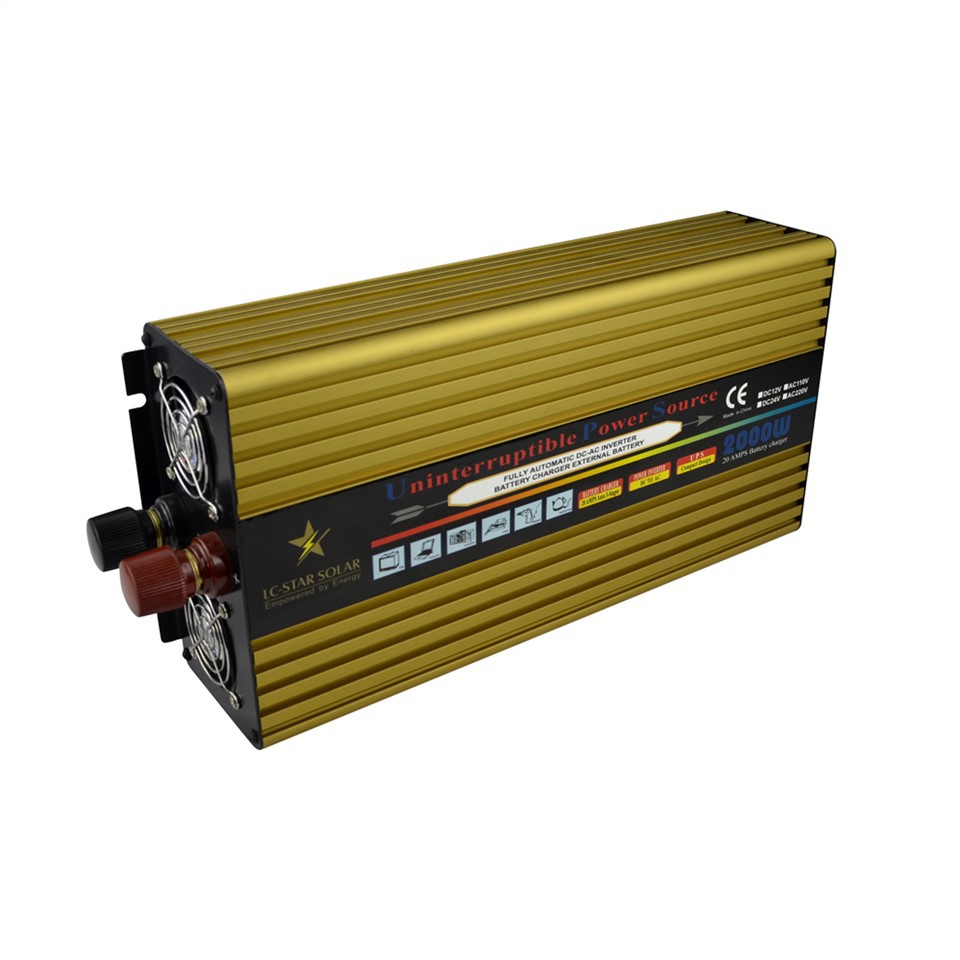
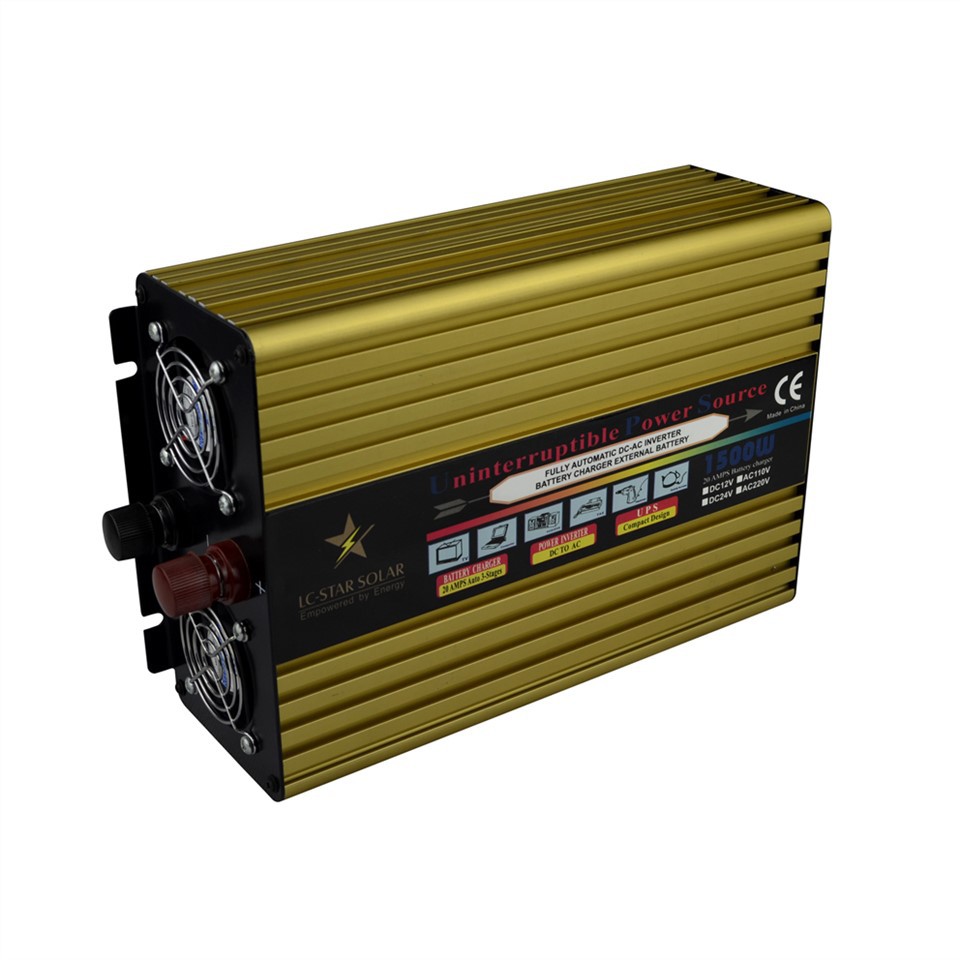
Ensuring Reliability of Backup Power in Cold Weather
To ensure that reliable backup power can be used effectively in cold weather, several measures can be taken.
Battery Management
- Temperature Monitoring and Control: Installing a temperature sensor in the battery compartment and using a battery management system (BMS) can help monitor the battery temperature. The BMS can then activate a battery heater if the temperature drops below a certain threshold, ensuring that the battery operates within an optimal temperature range.
- Proper Sizing: When designing a backup power system, it is crucial to size the batteries appropriately for the expected cold - weather conditions. This means considering the reduced capacity of the batteries in cold temperatures and selecting a battery bank that can still meet the power requirements.
Component Protection
- Enclosures: Placing the backup power system components, such as batteries, inverters, and generators, in a well - insulated and heated enclosure can protect them from the cold. This can be especially important for outdoor installations.
- Regular Maintenance: Cold weather can put additional stress on the backup power system. Regular maintenance, including checking the battery electrolyte levels (for lead - acid batteries), inspecting the fuel system of generators, and testing the electronics, is essential to ensure that the system is in good working condition.
Real - World Applications and Case Studies
Let's look at some real - world examples of how reliable backup power systems are used in cold weather. In remote areas of Alaska, where temperatures can drop well below - 30°C (- 22°F), many homes and businesses rely on backup power systems to ensure continuous electricity supply. These systems often combine battery - based solutions with generators.
One case study involves a small community in northern Canada. A local school installed a True Sine Wave Uninterruptible Power Supply with lithium - ion batteries. To protect the batteries from the cold, a custom - designed insulated enclosure with a battery heating system was installed. This setup has been able to provide reliable backup power during power outages, even in the coldest winter months.
Conclusion
In conclusion, reliable backup power can be used in cold weather, but it requires careful consideration and proper planning. Understanding the impact of cold weather on different components of the backup power system is the first step. By choosing the right type of backup power system, implementing appropriate temperature control measures, and conducting regular maintenance, we can ensure that the backup power system performs reliably even in the harshest cold - weather conditions.
If you are in need of reliable backup power for your home or business, especially in cold - weather regions, we are here to help. Our team of experts can provide you with customized solutions based on your specific requirements. Whether you need an Emergency Power Supply for a small office or a large - scale backup power system for an industrial facility, we have the products and knowledge to meet your needs. Contact us today to start a discussion about your backup power requirements.
References
- "Battery Temperature Effects and Thermal Management in Electric Vehicles" - Journal of Power Sources
- "Generator Operation in Cold Weather" - Diesel Generator Handbook
- "Lithium - Ion Batteries: Fundamentals and Applications" - Academic Press