




How do home power storage systems work?
 Oct 30, 2025|
In today's era of increasing energy awareness and the pursuit of sustainable living, home power storage systems have emerged as a revolutionary solution for homeowners. As a leading supplier of Home Power Storage Systems, I am excited to share with you how these systems work and why they are becoming an essential part of modern households.
The Basics of Home Power Storage Systems
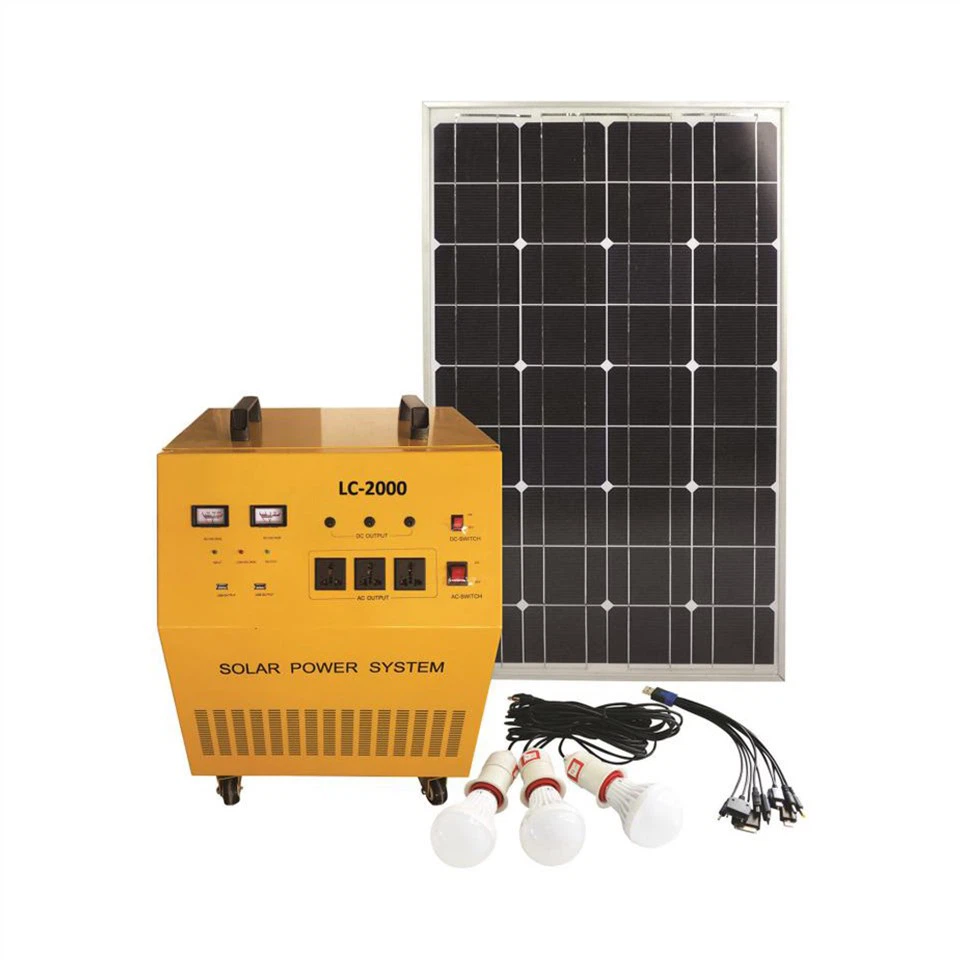
At its core, a home power storage system is designed to store electrical energy for later use. This stored energy can be utilized during periods when the primary power source is unavailable or when electricity costs are high. The system typically consists of three main components: a battery bank, a charge controller, and an inverter.
The battery bank is the heart of the home power storage system. It stores the electrical energy in the form of chemical energy. Different types of batteries can be used, such as lead - acid batteries, lithium - ion batteries, and flow batteries. Among them, lithium - ion batteries are currently the most popular choice due to their high energy density, long lifespan, and low self - discharge rate.
The charge controller plays a crucial role in regulating the charging process of the battery bank. It ensures that the batteries are charged safely and efficiently. By monitoring the battery's state of charge, the charge controller can prevent overcharging, which can damage the batteries and reduce their lifespan. It also protects the batteries from undercharging, which can lead to sulfation in lead - acid batteries and other performance issues.
The inverter is responsible for converting the direct current (DC) electricity stored in the battery bank into alternating current (AC) electricity, which is the type of electricity used by most household appliances. This conversion allows the stored energy to be seamlessly integrated into the home's electrical system.
How Home Power Storage Systems Integrate with Renewable Energy Sources
One of the most significant advantages of home power storage systems is their ability to integrate with renewable energy sources, such as solar panels. When solar panels generate electricity during the day, the excess energy that is not immediately consumed by the household can be stored in the battery bank. This stored energy can then be used at night or during cloudy days when the solar panels are not producing enough electricity.
Let's take a closer look at how this process works. First, the solar panels convert sunlight into DC electricity. The charge controller then regulates the flow of this DC electricity to the battery bank, ensuring that the batteries are charged properly. At the same time, any electricity that is needed by the household is drawn directly from the solar panels. If the solar panels are producing more electricity than the household is consuming, the excess electricity is stored in the battery bank.
When the sun goes down or the solar panels are not producing enough electricity, the inverter kicks in. It takes the DC electricity stored in the battery bank and converts it into AC electricity, which is then used to power the household appliances. This way, homeowners can rely on their solar power system even when the sun is not shining.
If you are interested in learning more about domestic solar energy storage systems, you can visit our Domestic Solar Energy Storage Systems page.
Home Power Storage Systems and the Grid
Home power storage systems can also be connected to the electrical grid. This connection allows homeowners to take advantage of grid - connected benefits while still having the security of stored energy.
When the home power storage system is connected to the grid, it can operate in two main modes: grid - charging mode and grid - selling mode. In grid - charging mode, the system can draw electricity from the grid during off - peak hours when electricity prices are low and store it in the battery bank. This stored energy can then be used during peak hours when electricity prices are high, helping homeowners save money on their electricity bills.
In grid - selling mode, if the home power storage system has excess stored energy, it can sell this energy back to the grid. This is known as net metering or feed - in tariffs, depending on the local regulations. By selling excess energy back to the grid, homeowners can not only reduce their electricity costs but also contribute to the overall stability of the electrical grid.
Our Home Electricity Storage Systems page provides more detailed information on how these systems interact with the grid.
Benefits of Home Power Storage Systems
There are numerous benefits to installing a home power storage system. Firstly, it provides energy independence. Homeowners are no longer solely reliant on the electrical grid for their power needs. They can use the stored energy during power outages, ensuring that essential appliances such as refrigerators, lights, and medical equipment continue to function.
Secondly, home power storage systems can help reduce electricity costs. By storing energy during off - peak hours and using it during peak hours, homeowners can take advantage of lower electricity rates. Additionally, selling excess energy back to the grid can further offset the cost of the system.
Thirdly, these systems are environmentally friendly. By integrating with renewable energy sources, they help reduce the reliance on fossil fuels and lower carbon emissions. This contributes to a more sustainable and greener future.
If you are considering a solar - based home power storage solution, our Solar Storage System for Home page offers in - depth insights.

Installation and Maintenance of Home Power Storage Systems
Installing a home power storage system requires careful planning and professional expertise. The system needs to be sized correctly based on the household's energy consumption, the available space for the battery bank, and the local climate conditions. A professional installer will assess these factors and design a system that meets the specific needs of the homeowner.
Maintenance of home power storage systems is relatively straightforward. Regular inspections of the battery bank, charge controller, and inverter are recommended to ensure that the system is operating efficiently. For lithium - ion batteries, proper temperature management is crucial to maintain their performance and lifespan.
Conclusion
Home power storage systems are a game - changer in the world of home energy management. They offer energy independence, cost savings, and environmental benefits. As a supplier of Home Power Storage Systems, we are committed to providing high - quality products and professional services to help homeowners make the most of these systems.
If you are interested in purchasing a home power storage system or have any questions about how these systems work, we encourage you to contact us for a procurement discussion. Our team of experts will be happy to assist you in finding the best solution for your home.
References
- "Energy Storage Systems: Technologies and Applications" by X. Lu, et al.
- "Solar Power Systems for Residential Use" by John Doe