




How do I install a household energy storage system safely?
 Aug 28, 2025|
 Hey there! As a supplier of Household Energy Storage Systems, I often get asked about how to install these systems safely at home. It's a crucial topic, and I'm here to share some practical tips and insights to ensure you can enjoy the benefits of a home energy storage system without any hitches.
Understanding the Basics of Household Energy Storage Systems
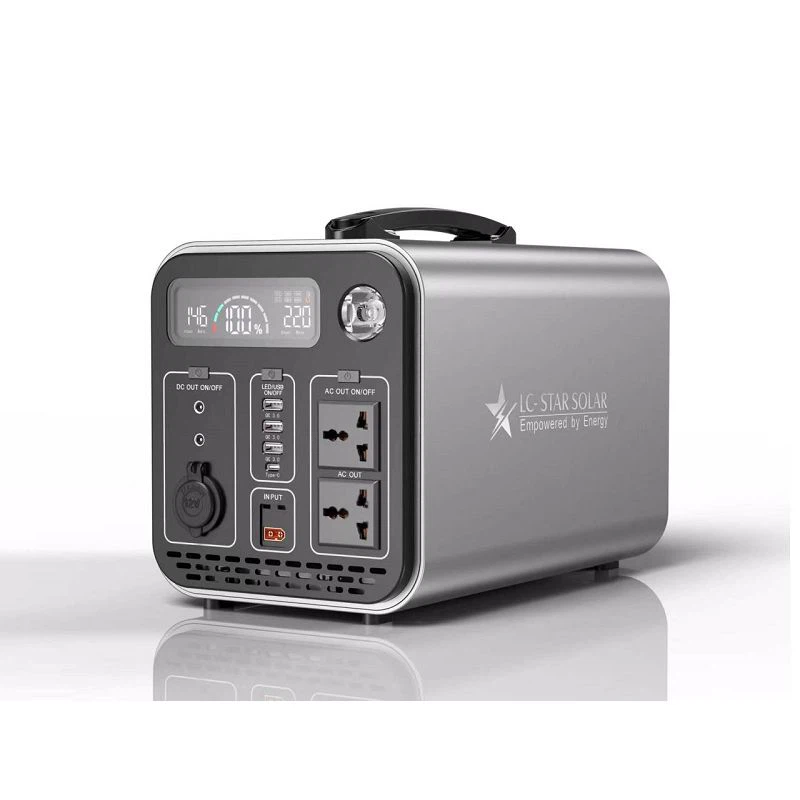
Before we dive into the installation process, let's quickly go over what a household energy storage system is. Simply put, it's a setup that stores electrical energy for later use. This can be incredibly useful, especially if you have a Battery Storage for Home Solar Systems. During the day, your solar panels generate more electricity than you might need, and the excess can be stored in the battery for use at night or during cloudy days.
There are different types of energy storage systems, but the most common ones use lithium - ion batteries. They're known for their high energy density, long lifespan, and relatively low maintenance requirements.

Pre - installation Preparation
1. Check Local Regulations
First things first, you need to check the local regulations regarding the installation of energy storage systems. Different areas have different rules, and you don't want to end up with a fine or have to redo the installation. Some places may require permits, and there could be specific safety standards you need to meet. Contact your local building department or energy authority to get all the necessary information.
2. Assess Your Energy Needs
Take a good look at your household's energy consumption. How much electricity do you use on a daily basis? What are your peak usage times? This will help you determine the right size and capacity of the energy storage system for your home. If you install a system that's too small, it won't be able to meet your needs. On the other hand, an oversized system will be a waste of money. You can look at your past electricity bills to get an idea of your usage patterns.
3. Choose the Right Location
The location where you install your energy storage system is crucial. It should be a well - ventilated area, away from direct sunlight, heat sources, and flammable materials. Basements or garages are often good choices, but make sure they're dry and not prone to flooding. Also, the location should be easily accessible for maintenance and monitoring.
Installation Steps
1. Mounting the Battery
If your energy storage system comes with a battery, the first step is to mount it securely. Follow the manufacturer's instructions carefully. Usually, you'll need to use brackets or a mounting frame. Make sure the surface where you're mounting the battery is flat and strong enough to support its weight.
2. Connecting the Electrical Wiring
This is a critical step, and it's best to have a qualified electrician do it. The wiring should be properly sized to handle the electrical load. Connect the battery to the inverter, which converts the DC power stored in the battery to AC power that can be used in your home. Also, connect the system to your home's electrical panel. Make sure all connections are tight and there are no exposed wires.
3. Testing the System
Once the installation is complete, it's time to test the system. Turn on the inverter and check if the system is charging and discharging properly. Monitor the battery's voltage and state of charge. You can use the system's monitoring software or a display panel to do this. If you notice any issues, such as abnormal readings or strange noises, stop the system immediately and consult a professional.
Safety Precautions
1. Fire Safety
Energy storage systems can pose a fire risk, especially if there's a short - circuit or overheating. Install smoke detectors and fire extinguishers near the system. Make sure the area is clear of any combustible materials. Some advanced systems come with built - in fire prevention features, such as thermal management systems.
2. Electrical Safety
Always follow electrical safety guidelines. Wear appropriate safety gear, such as insulated gloves and safety glasses, when working on the system. Don't touch any live wires or components. If you're not experienced with electrical work, leave it to the professionals.
3. Chemical Safety
If your battery uses chemicals, such as lithium - ion batteries, be aware of the potential hazards. Avoid exposing the battery to extreme temperatures or physical damage, as this can cause the release of harmful chemicals. In case of a battery leak, follow the manufacturer's instructions on how to handle it safely.
Maintenance and Monitoring
1. Regular Inspections
Perform regular inspections of your energy storage system. Check for any signs of wear and tear, such as loose connections, damaged wires, or corrosion. Inspect the battery for any swelling or leaks. If you notice any problems, address them immediately.
2. Software Updates
Keep the system's software up - to - date. Manufacturers often release updates to improve the system's performance, security, and safety features. You can usually do this through the system's monitoring interface.
Benefits of a Household Energy Storage System
Installing a household energy storage system has several benefits. It can provide you with an Emergency Power Supply during power outages, which is especially useful in areas prone to storms or other natural disasters. It can also help you save money on your electricity bills by allowing you to use stored energy during peak rate periods.
Moreover, it's an environmentally friendly option. By storing excess solar energy, you're reducing your reliance on the grid and using more clean, renewable energy.
Conclusion
Installing a household energy storage system safely requires careful planning, proper installation, and regular maintenance. By following the steps and safety precautions outlined in this blog, you can enjoy the many benefits of a Home Battery Energy Storage System without any major issues.
If you're interested in purchasing a household energy storage system, we're here to help. Our team of experts can assist you in choosing the right system for your needs and ensure a safe and proper installation. Contact us to start the conversation and take the first step towards a more energy - efficient home.
References
- Manufacturer's installation and user manuals for household energy storage systems
- Local building and energy regulations
- Electrical safety standards and guidelines