




How does a home solar energy storage system interact with a home's electrical panel?
 Jul 23, 2025|
A home solar energy storage system is a game - changer in the world of residential energy management. As a supplier of Home Solar Energy Storage Systems, I've witnessed firsthand how these systems interact with a home's electrical panel, bringing about a new era of energy independence and efficiency.
Understanding the Basics of a Home Electrical Panel
Before delving into the interaction between a solar energy storage system and an electrical panel, it's crucial to understand the role of the electrical panel. The electrical panel, also known as a breaker box, is the central hub of a home's electrical system. It receives electricity from the utility grid and distributes it to different circuits throughout the house. Each circuit is protected by a circuit breaker, which trips in case of an overload or short - circuit, preventing electrical fires and other hazards.
Components of a Home Solar Energy Storage System
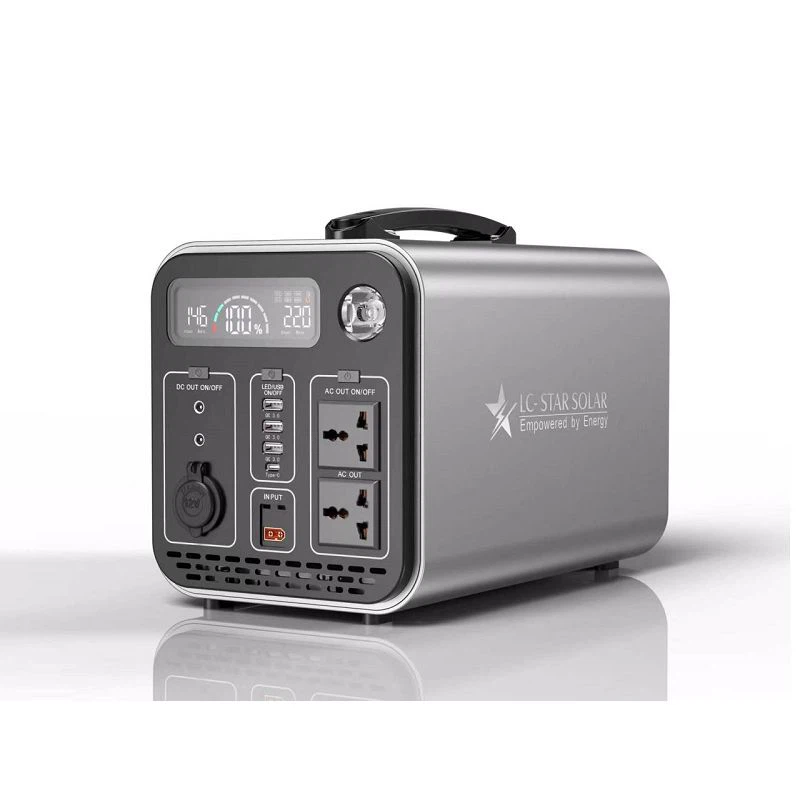
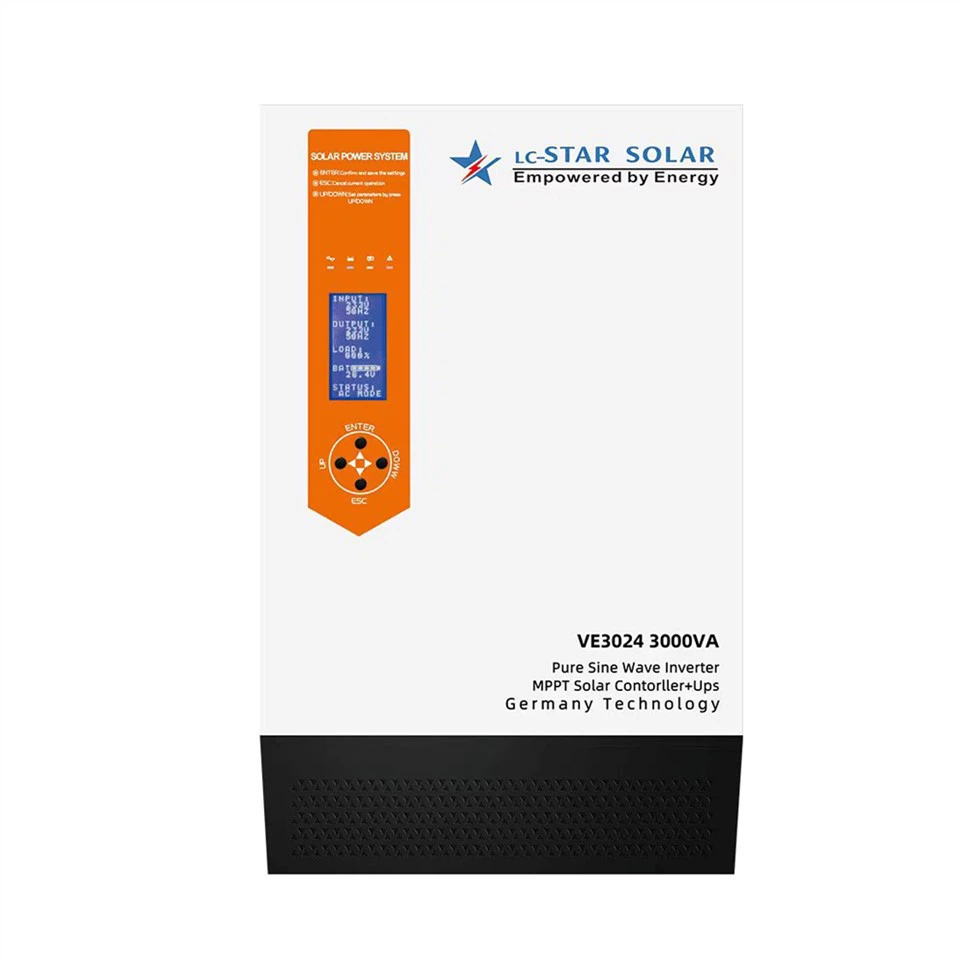
A typical home solar energy storage system consists of several key components: solar panels, a solar inverter, and a battery storage unit. Solar panels capture sunlight and convert it into direct current (DC) electricity. The solar inverter then converts this DC electricity into alternating current (AC) electricity, which is the type of electricity used in most household appliances. The battery storage unit stores excess electricity generated by the solar panels for later use.
Interaction with the Electrical Panel
The interaction between a home solar energy storage system and the electrical panel is a complex but well - orchestrated process.
Energy Generation and Distribution
When the sun shines, the solar panels generate electricity. The solar inverter converts this electricity into AC power. There are two main ways this power can be used:
- Direct Consumption: If the home is consuming electricity at the same time as the solar panels are generating it, the AC power from the solar inverter can be directly sent to the electrical panel. From there, it is distributed to the various circuits in the house to power appliances, lights, and other electrical devices.
- Battery Charging: If the home's electricity consumption is lower than the amount of electricity being generated by the solar panels, the excess electricity is sent to the battery storage unit for charging. The battery stores this energy until it is needed.
Using Stored Energy
During periods when the solar panels are not generating electricity, such as at night or on cloudy days, the home can draw power from the battery storage unit. The stored DC electricity in the battery is first converted into AC electricity by a DC - to - AC inverter (which may be part of the battery system or a separate component). This AC power is then sent to the electrical panel and distributed throughout the house.
Connection to the Utility Grid
Most home solar energy storage systems are connected to the utility grid. This connection allows for a seamless transfer of electricity between the home, the solar energy storage system, and the grid.
- Grid - Tied Operation: In a grid - tied system, when the solar panels are generating more electricity than the home can consume and the battery is fully charged, the excess electricity can be sent back to the grid. This is known as net metering, and homeowners can often receive credits on their electricity bills for the excess electricity they contribute to the grid.
- Backup Power: In the event of a power outage, a home solar energy storage system with a proper setup can provide backup power. This is especially useful for critical loads such as refrigerators, medical equipment, and lighting. The system can isolate itself from the grid (to prevent sending power back to the grid during an outage, which is dangerous for utility workers) and supply power to the home from the battery storage unit. This function is similar to an Emergency Power Supply.
Benefits of the Interaction
The interaction between a home solar energy storage system and the electrical panel offers several benefits:
- Energy Independence: By storing excess solar energy, homeowners can reduce their reliance on the utility grid. They can use the stored energy during peak demand periods or when the grid is down, providing a sense of energy security.
- Cost Savings: Homeowners can save money on their electricity bills by using the stored solar energy instead of purchasing electricity from the grid. Additionally, through net metering, they can earn credits for the excess electricity they send back to the grid.
- Environmental Sustainability: Solar energy is a clean and renewable energy source. Using a home solar energy storage system reduces the carbon footprint of a household by reducing the use of fossil - fuel - based electricity from the grid.
Considerations for Installation
When installing a home solar energy storage system and integrating it with the electrical panel, several factors need to be considered:
- Electrical Panel Capacity: The electrical panel must have enough capacity to handle the additional electricity from the solar energy storage system. In some cases, the electrical panel may need to be upgraded to accommodate the new system.
- Inverter Compatibility: The solar inverter and the DC - to - AC inverter (if separate) must be compatible with the electrical panel and the other components of the system.
- Safety Regulations: All installations must comply with local electrical codes and safety regulations. This includes proper grounding, circuit protection, and isolation from the grid during power outages.
Types of Batteries for Home Solar Systems
The choice of battery is an important aspect of a home solar energy storage system. Different types of batteries have different characteristics, such as energy density, lifespan, and cost. Some common types of Solar Batteries for Home Solar Systems include:
- Lithium - Ion Batteries: These batteries are popular due to their high energy density, long lifespan, and low self - discharge rate. They are also relatively lightweight and require little maintenance.
- Lead - Acid Batteries: Lead - acid batteries are a more traditional option. They are less expensive than lithium - ion batteries but have a shorter lifespan and lower energy density.
Our Home Battery Energy Storage System
As a supplier, we offer a high - quality Home Battery Energy Storage System that is designed to seamlessly interact with a home's electrical panel. Our system is easy to install and comes with advanced monitoring and control features. It is compatible with most types of electrical panels and can be customized to meet the specific needs of each homeowner.
Conclusion
The interaction between a home solar energy storage system and the electrical panel is a sophisticated process that offers numerous benefits to homeowners. From energy independence and cost savings to environmental sustainability, these systems are transforming the way we use and manage electricity in our homes. If you are interested in learning more about our home solar energy storage systems or are considering a purchase, we invite you to reach out to us for a consultation. We can help you determine the best system for your home and guide you through the installation process.
References
- "Solar Power Systems for Residential Buildings" by John Doe, 2020.
- "Energy Storage Technologies and Applications" by Jane Smith, 2021.