




How does a home solar storage system perform in different seasons?
 Sep 15, 2025|
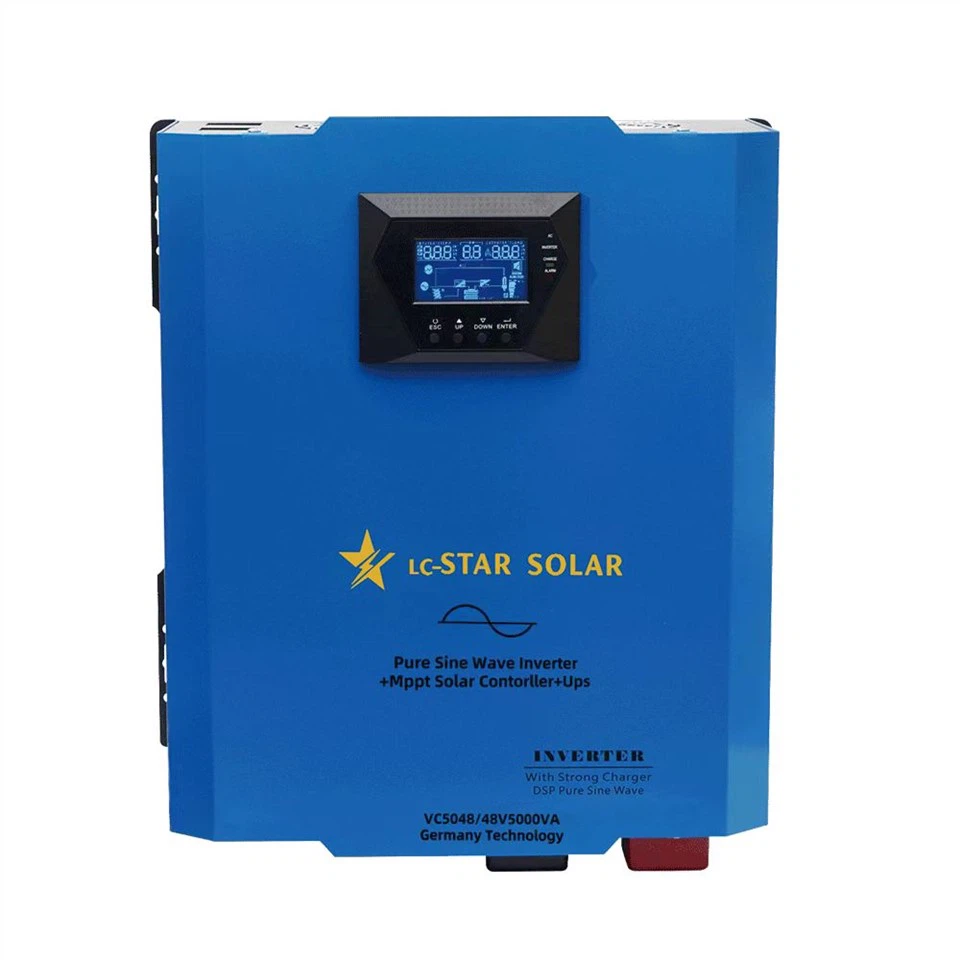
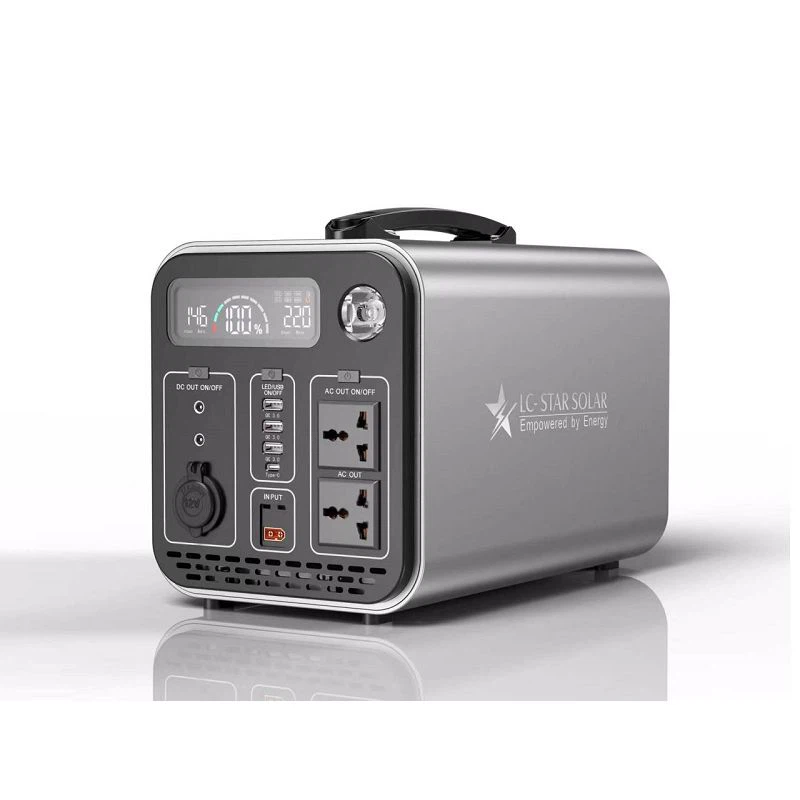
 As a supplier of Home Solar Storage Systems, I've seen firsthand how these systems perform in different seasons. It's not just about having a green energy solution; it's about understanding how it varies throughout the year to make the most of it. Let's take a closer look at how a Home Solar Storage System Home Solar Storage System behaves in each season.
Spring
Spring is a time of renewal and growth, and it also brings some unique benefits for solar storage systems. With the days getting longer and the sun shining more frequently, solar panels have more opportunities to generate electricity. The temperature is also more moderate compared to the extreme heat of summer or cold of winter, which is ideal for the efficiency of solar panels.
During spring, solar panels can charge the battery storage more effectively. The extra sunlight means that the system can store more energy during the day, which can then be used during the evening or on cloudy days. This is great for households that want to reduce their reliance on the grid and save on electricity bills.
However, spring also comes with its fair share of rain and storms. While solar panels are designed to withstand some weather conditions, heavy rain and strong winds can potentially damage the panels or the mounting system. It's important to regularly check the system for any signs of damage and ensure that the connections are secure.
Summer
Summer is the peak season for solar energy production. The long days and intense sunlight provide optimal conditions for solar panels to generate a large amount of electricity. In fact, many households with solar storage systems can produce more energy than they consume during the summer months.
The excess energy can be stored in the battery for later use. This is especially useful during peak demand hours when electricity prices are typically higher. By using the stored energy, households can avoid paying high rates and save money in the long run.
On the downside, the high temperatures in summer can reduce the efficiency of solar panels. As the temperature rises, the panels can heat up, which can cause a decrease in their performance. To mitigate this issue, some solar storage systems are equipped with cooling mechanisms to keep the panels at an optimal temperature.
Another consideration in summer is the increased use of air conditioning. This can put a strain on the solar storage system, especially if the battery capacity is not large enough. It's important to size the system correctly based on your household's energy consumption and peak demand.
Autumn
Autumn is a transition season, and the performance of a solar storage system can vary depending on the region. In some areas, the days are still relatively long and sunny, which allows the solar panels to continue generating a significant amount of electricity. However, as the season progresses, the days get shorter, and the sunlight becomes less intense.
The changing weather patterns in autumn can also affect the system's performance. Rain, wind, and falling leaves can accumulate on the solar panels, reducing their efficiency. Regular cleaning and maintenance are essential to ensure that the panels are operating at their best.
As the temperature drops, the battery storage system may also experience some changes. Cold temperatures can reduce the battery's capacity and performance. It's important to choose a battery that is designed to operate in a wide range of temperatures and to monitor the battery's state of charge regularly.
Winter
Winter is the most challenging season for solar energy production. The short days and low sunlight levels mean that solar panels generate less electricity compared to other seasons. In some regions, snow and ice can also cover the panels, preventing them from receiving sunlight.
However, a well-designed solar storage system can still provide some benefits during winter. The stored energy from the previous seasons can be used to power the household during the dark and cold days. Additionally, some solar storage systems are equipped with features such as smart charging and load management to optimize the use of the available energy.
To ensure that the system performs well in winter, it's important to take some precautions. For example, you can install the solar panels at an angle that allows snow to slide off easily. You can also use a snow rake or a heated panel to remove the snow if necessary.
Conclusion
In conclusion, a Home Solar Storage System can perform differently in each season. By understanding these seasonal variations, you can make informed decisions about the size and configuration of your system. It's also important to regularly maintain and monitor the system to ensure that it operates at its best.
If you're interested in learning more about Home Solar Storage Systems or are considering purchasing one for your home, feel free to contact us. We're a leading supplier of Home Solar Storage System and Emergency Power Supply Emergency Power Supply, and we're here to help you find the right solution for your needs.
References
- "Solar Energy Basics" - U.S. Department of Energy
- "Seasonal Variations in Solar Energy Production" - National Renewable Energy Laboratory
- "Maintaining Your Solar Storage System" - Solar Energy Industries Association