




How does the charging speed of household energy storage systems vary?
 Oct 31, 2025|
 Hey there! I'm a supplier of Household Energy Storage Systems, and today I wanna chat about how the charging speed of these systems can vary. It's a topic that's super important for anyone thinking about getting a home energy storage setup, so I thought I'd share some insights based on my experience in the biz.
First off, let's talk about what a Household Energy Storage System is. If you're not familiar, these systems are basically like big batteries for your home. They store energy from sources like solar panels or the grid, and then you can use that stored energy when you need it, like during a power outage or when electricity rates are high. You can learn more about them here.
Now, when it comes to charging speed, there are a bunch of factors that can affect how quickly your household energy storage system can fill up. One of the biggest factors is the type of battery used in the system. Most modern household energy storage systems use lithium-ion batteries, which are known for their high energy density and relatively fast charging times. You can check out a Lithium Ion Battery System for Home Solar Power to see what I'm talking about.
Lithium-ion batteries can charge at different rates depending on their design and the charging equipment they're paired with. Some high-end lithium-ion battery systems can charge really quickly, sometimes reaching full capacity in just a few hours. On the other hand, cheaper or older lithium-ion batteries might take longer to charge, maybe 6 to 8 hours or even more.
Another factor that affects charging speed is the power source. If you're charging your household energy storage system from solar panels, the charging speed will depend on how much sunlight your panels are getting. On a sunny day, your solar panels can produce a lot of electricity, which means your battery can charge faster. But on a cloudy day, the charging speed will slow down because there's less sunlight available.
If you're charging from the grid, the charging speed will depend on the power output of your charger and the capacity of your battery. A high-powered charger can transfer more electricity to your battery in a shorter amount of time, which means faster charging. However, you also need to make sure your battery can handle the high charging rate. If you try to charge a battery too quickly, it can overheat and damage the battery cells, which can reduce the battery's lifespan.
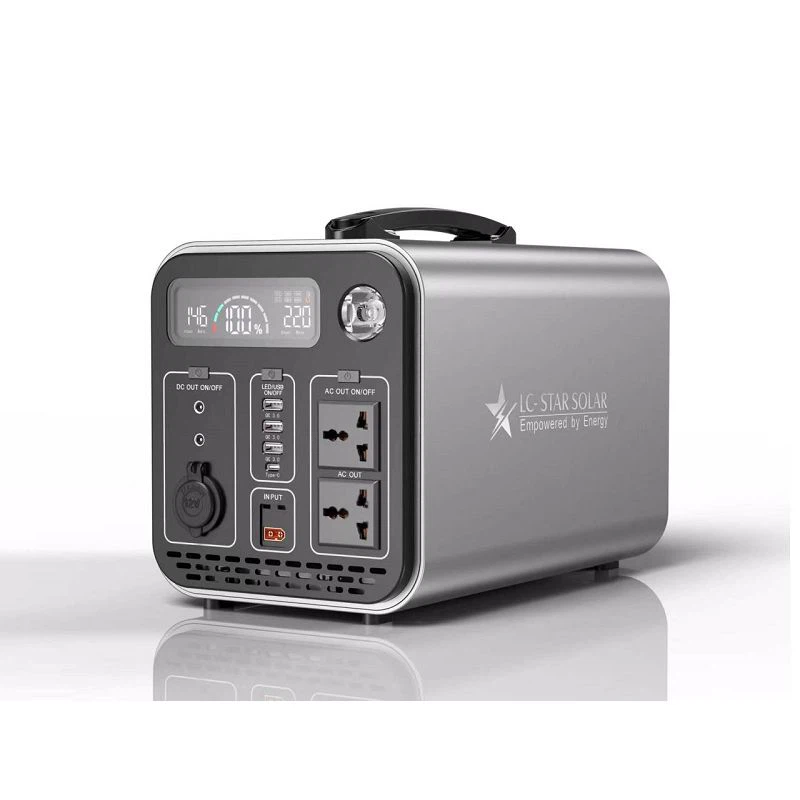

The size of your household energy storage system also plays a role in charging speed. A larger battery will generally take longer to charge than a smaller one, even if they're using the same charging equipment. This is because there's more capacity to fill, so it takes more time to transfer all the electricity into the battery.
The temperature can also have an impact on charging speed. Lithium-ion batteries work best at moderate temperatures, around 20 to 25 degrees Celsius. If the temperature is too cold, the chemical reactions inside the battery slow down, which can reduce the charging speed. On the other hand, if the temperature is too hot, the battery can overheat, which can also cause problems and slow down the charging process.
Some household energy storage systems come with advanced charging features that can optimize the charging speed. For example, some systems can adjust the charging rate based on the battery's state of charge and the available power source. This means the system can charge the battery as quickly as possible without causing any damage.
Now, why does charging speed matter? Well, if you rely on your household energy storage system for Emergency Power Supply, a faster charging speed means you can get your power back up and running more quickly in case of a power outage. It also means you can make the most of off-peak electricity rates. If you charge your battery during the night when electricity is cheaper, a faster charging speed means you can store more energy in a shorter amount of time, which can save you money in the long run.
If you're in the market for a household energy storage system, it's important to consider the charging speed along with other factors like battery capacity, cost, and warranty. You want to find a system that can meet your energy needs and charge quickly enough to keep you powered up when you need it.
As a supplier, I've seen firsthand how different factors can affect the charging speed of household energy storage systems. I'm here to help you make an informed decision and find the right system for your home. Whether you're looking for a system with a fast charging speed or one that's more budget-friendly, I can provide you with all the information you need.
If you're interested in learning more about our household energy storage systems or have any questions about charging speed or other features, feel free to reach out. We're always happy to have a chat and help you find the perfect solution for your home.
In conclusion, the charging speed of household energy storage systems can vary depending on several factors, including the type of battery, power source, system size, temperature, and advanced charging features. By understanding these factors, you can make a more informed decision when choosing a system for your home. So, don't hesitate to get in touch if you're thinking about purchasing a household energy storage system. Let's work together to find the best option for you.
References:
- General knowledge from the field of household energy storage systems
- Industry reports on lithium-ion battery technology and performance