




How much does a home solar energy storage system cost?
 Dec 15, 2025|
When considering the transition to renewable energy, a home solar energy storage system stands out as a pivotal investment. As a supplier of these systems, I've witnessed firsthand the growing interest in harnessing solar power for residential use. But one of the most common questions we receive is, "How much does a home solar energy storage system cost?" In this blog, I'll break down the factors that influence the cost and provide a comprehensive overview to help you make an informed decision.
Components of a Home Solar Energy Storage System
Before delving into the cost, it's essential to understand the key components of a home solar energy storage system. These typically include solar panels, a battery storage unit, an inverter, and a charge controller. Each component plays a crucial role in the system's functionality and contributes to the overall cost.
- Solar Panels: Solar panels are the heart of the system, converting sunlight into electricity. The cost of solar panels can vary depending on factors such as efficiency, brand, and size. High-efficiency panels tend to be more expensive but can generate more electricity over time, potentially offsetting the initial investment.
- Battery Storage Unit: The battery storage unit stores the excess electricity generated by the solar panels for use during periods of low sunlight or at night. The cost of a battery storage unit depends on its capacity, chemistry, and brand. Lithium-ion batteries are the most common type used in home solar energy storage systems due to their high energy density, long lifespan, and low maintenance requirements.
- Inverter: The inverter converts the direct current (DC) electricity generated by the solar panels into alternating current (AC) electricity, which is used to power your home. The cost of an inverter depends on its power rating and efficiency. A higher power rating inverter can handle more electricity, but it will also be more expensive.
- Charge Controller: The charge controller regulates the flow of electricity from the solar panels to the battery storage unit, preventing overcharging and extending the battery's lifespan. The cost of a charge controller depends on its type and capacity.
Factors Affecting the Cost of a Home Solar Energy Storage System
The cost of a home solar energy storage system can vary significantly depending on several factors, including:
- System Size: The size of the system, measured in kilowatts (kW), is one of the most significant factors affecting the cost. A larger system will generate more electricity and require more components, resulting in a higher cost.
- Location: The location of your home can also affect the cost of a solar energy storage system. Factors such as sunlight availability, local regulations, and installation costs can vary depending on where you live.
- Brand and Quality: The brand and quality of the components used in the system can also impact the cost. Higher-quality components tend to be more expensive but can offer better performance, reliability, and durability.
- Installation Costs: The cost of installation can vary depending on the complexity of the system and the location of your home. Installation costs typically include labor, permits, and equipment.
- Incentives and Rebates: There are several incentives and rebates available at the federal, state, and local levels to encourage the adoption of solar energy. These incentives can significantly reduce the cost of a solar energy storage system.
Average Cost of a Home Solar Energy Storage System
Based on industry data, the average cost of a home solar energy storage system ranges from $10,000 to $20,000, including installation. However, the actual cost can vary depending on the factors mentioned above. For example, a small system with a capacity of 3 kW may cost around $10,000, while a larger system with a capacity of 10 kW or more can cost upwards of $20,000.
It's important to note that the cost of a solar energy storage system is not the only factor to consider when making a decision. You should also consider the long-term savings on your electricity bills, the environmental benefits of using renewable energy, and the potential increase in the value of your home.
Cost Comparison of Different Types of Home Solar Energy Storage Systems
There are several types of home solar energy storage systems available on the market, each with its own advantages and disadvantages. Here's a cost comparison of the most common types:
- Lithium-Ion Battery Systems: Lithium-ion battery systems are the most popular type of home solar energy storage system due to their high energy density, long lifespan, and low maintenance requirements. The cost of a lithium-ion battery system can range from $10,000 to $20,000, depending on the capacity and brand.
- Lead-Acid Battery Systems: Lead-acid battery systems are an older technology that is less expensive than lithium-ion battery systems. However, they have a lower energy density, shorter lifespan, and require more maintenance. The cost of a lead-acid battery system can range from $5,000 to $10,000, depending on the capacity and brand.
- Flow Battery Systems: Flow battery systems are a newer technology that offers several advantages over lithium-ion and lead-acid battery systems, including longer lifespan, higher energy density, and better scalability. However, they are also more expensive. The cost of a flow battery system can range from $15,000 to $30,000, depending on the capacity and brand.
Return on Investment (ROI) of a Home Solar Energy Storage System
One of the main benefits of investing in a home solar energy storage system is the potential for long-term savings on your electricity bills. By storing the excess electricity generated by the solar panels, you can reduce your reliance on the grid and avoid paying high electricity rates during peak hours.
The return on investment (ROI) of a home solar energy storage system depends on several factors, including the cost of the system, the amount of electricity you use, the cost of electricity in your area, and the incentives and rebates available. On average, homeowners can expect to recoup their investment in a solar energy storage system within 5 to 10 years.
In addition to the financial benefits, a home solar energy storage system can also provide environmental benefits by reducing your carbon footprint and contributing to a more sustainable future.
Conclusion
Investing in a home solar energy storage system is a significant decision that requires careful consideration. While the upfront cost may seem high, the long-term savings on your electricity bills, the environmental benefits, and the potential increase in the value of your home make it a worthwhile investment.

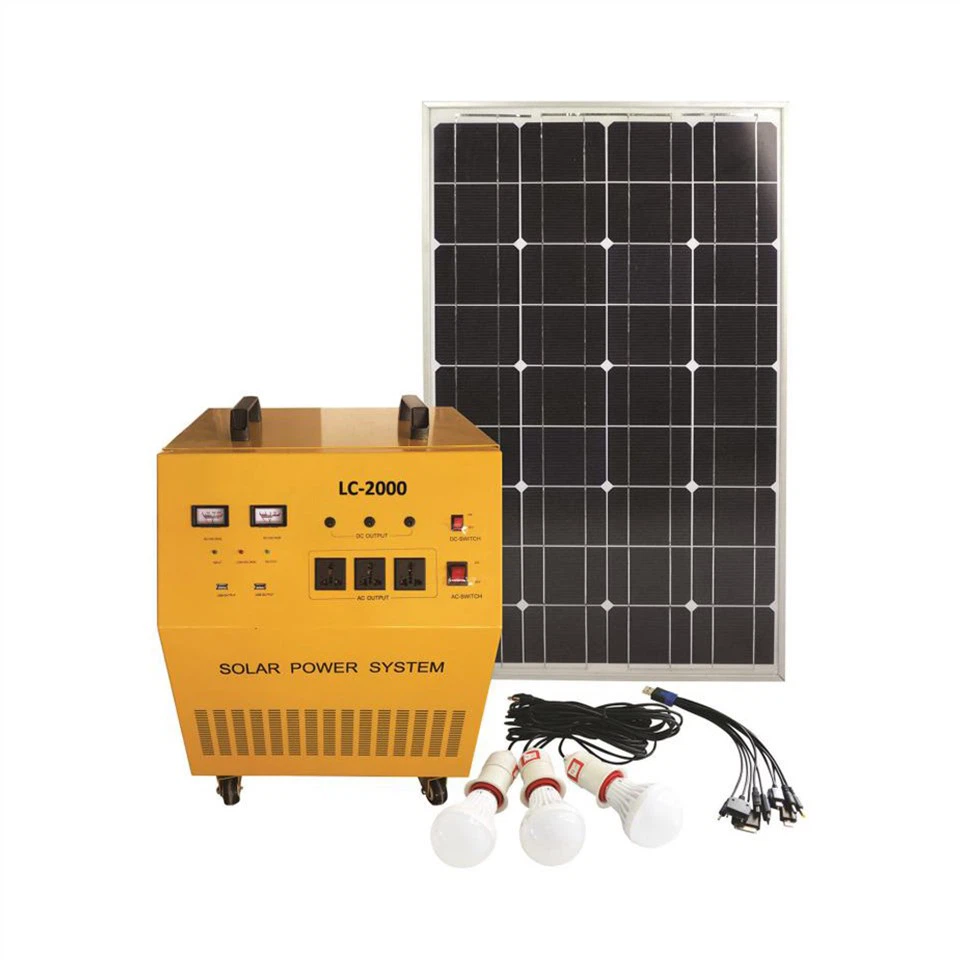
As a supplier of Solar System for Home with Battery, Home Power Storage Systems, and Home Electricity Storage Systems, we are committed to providing our customers with high-quality products and services at competitive prices. If you're interested in learning more about our solar energy storage systems or would like to request a quote, please don't hesitate to contact us. We'll be happy to answer any questions you may have and help you find the right system for your needs.
References
- Solar Energy Industries Association (SEIA)
- National Renewable Energy Laboratory (NREL)
- EnergySage
- SolarReviews