




How to increase the lifespan of a 5000W car power inverter?
 Sep 30, 2025|
Hey there! As a supplier of 5000W Car Power Inverters, I've seen a lot of questions about how to make these nifty devices last as long as possible. In this blog, I'm gonna share some tips and tricks that can help you increase the lifespan of your 5000W car power inverter.
First off, let's talk about what a 5000W car power inverter is. If you're not familiar, it's a device that converts DC (direct current) power from your car's battery into AC (alternating current) power, which is what most household appliances use. This means you can use things like laptops, TVs, and even small power tools while you're on the go. And if you're in the market for one, check out our 5000W Car Power Inverter.
Proper Installation
The first step in increasing the lifespan of your inverter is to install it correctly. A bad installation can lead to all sorts of problems, like overheating and electrical shorts. Here are some installation tips:
- Location: Choose a well-ventilated area in your car to install the inverter. It should be away from sources of heat, like the engine, and protected from moisture. Avoid placing it in areas where it could be jostled around too much, as this can damage the internal components.
- Wiring: Use the right gauge of wire for your inverter. A wire that's too thin can cause voltage drops, which can lead to overheating and reduced efficiency. Make sure all connections are tight and secure, and use appropriate fuses to protect the inverter from electrical surges.
- Grounding: Proper grounding is crucial. Connect the inverter to a good ground point in your car to prevent electrical interference and ensure safe operation.
Temperature Management
Temperature is one of the biggest enemies of electronic devices, and your 5000W car power inverter is no exception. High temperatures can cause the components to degrade faster, leading to a shorter lifespan. Here's how you can manage the temperature:
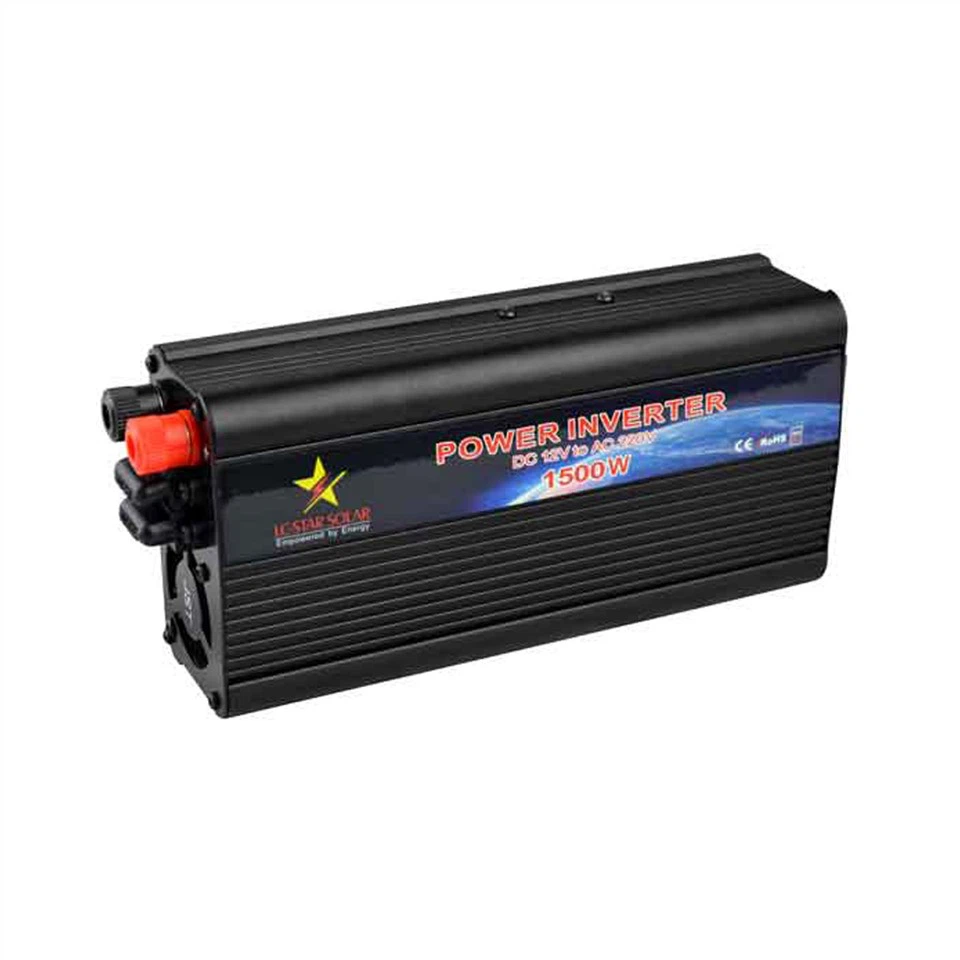
- Ventilation: As I mentioned earlier, make sure the inverter has plenty of ventilation. You can use fans or heat sinks to help dissipate heat. If you're using the inverter in a hot environment, consider using a cooling system to keep the temperature down.
- Load Management: Don't overload the inverter. Running the inverter at or near its maximum capacity for extended periods can generate a lot of heat. Try to keep the load below 80% of the inverter's rated capacity to reduce heat generation.
- Monitoring: Keep an eye on the temperature of the inverter. Some inverters have built-in temperature sensors that can alert you if the temperature gets too high. If you notice the inverter getting unusually hot, reduce the load or turn it off for a while to let it cool down.
Load Management
Proper load management is essential for the longevity of your inverter. Here are some tips:
- Understand the Load: Know the power requirements of the appliances you're using with the inverter. Make sure the total power consumption of all the connected devices doesn't exceed the inverter's rated capacity. Some appliances, like motors and compressors, have a high startup surge, so take that into account when calculating the load.
- Avoid Overloading: Overloading the inverter can cause it to overheat, trip the circuit breaker, or even damage the internal components. If you need to use high-power appliances, consider using them one at a time or upgrading to a higher-capacity inverter.
- Power Cycling: Don't turn the inverter on and off too frequently. This can cause electrical stress on the components and reduce their lifespan. If you're not using the inverter for a while, it's better to leave it in standby mode rather than constantly power cycling it.
Maintenance
Regular maintenance can go a long way in increasing the lifespan of your inverter. Here are some maintenance tasks you should perform:
- Cleaning: Keep the inverter clean. Dust and debris can accumulate on the components, which can block ventilation and cause overheating. Use a soft brush or compressed air to clean the inverter periodically.
- Inspection: Check the inverter for any signs of damage, such as loose connections, frayed wires, or cracked components. If you notice any problems, repair or replace the damaged parts immediately.
- Firmware Updates: Some inverters have firmware that can be updated to improve performance and reliability. Check the manufacturer's website regularly for firmware updates and install them as needed.
Battery Care
Since the inverter gets its power from your car's battery, taking care of the battery is also important for the inverter's lifespan. Here's what you can do:
- Battery Health: Keep your car battery in good condition. Charge it regularly, especially if you're using the inverter frequently. A weak or dying battery can cause voltage drops, which can affect the performance of the inverter.
- Battery Type: Use the right type of battery for your inverter. Some inverters are designed to work with specific types of batteries, such as lead-acid or lithium-ion. Using the wrong type of battery can reduce the efficiency and lifespan of the inverter.
- Battery Monitoring: Monitor the battery voltage regularly. If the battery voltage drops too low, it can cause the inverter to shut down or operate inefficiently. Consider using a battery monitor to keep track of the battery's state of charge.
Protection from Environmental Factors
Your inverter can be exposed to a variety of environmental factors that can damage it. Here's how you can protect it:
- Moisture: Keep the inverter dry. Moisture can cause corrosion and electrical shorts. If the inverter gets wet, dry it thoroughly before using it again.
- Dust and Dirt: As I mentioned earlier, dust and dirt can accumulate on the components and cause problems. Use a dust cover or enclosure to protect the inverter from dust and dirt.
- Vibration and Shock: Minimize the amount of vibration and shock the inverter is exposed to. Secure the inverter properly in your car to prevent it from moving around too much. If you're driving on rough roads, consider using additional padding or shock absorbers to protect the inverter.
Monitoring and Troubleshooting
Regular monitoring and troubleshooting can help you catch problems early and prevent them from causing major damage to the inverter. Here's what you can do:
- Monitoring: Keep track of the inverter's performance, such as the output voltage, current, and temperature. This can help you identify any issues before they become serious.
- Troubleshooting: If you notice any problems with the inverter, such as a loss of power, strange noises, or error messages, try to troubleshoot the issue. Check the connections, the battery, and the load to see if there's anything obvious that could be causing the problem. If you're not sure how to troubleshoot the issue, contact the manufacturer's customer support for assistance.
Conclusion
By following these tips, you can significantly increase the lifespan of your 5000W car power inverter. Remember, proper installation, temperature management, load management, maintenance, battery care, and protection from environmental factors are all important for the longevity of your inverter.
If you're interested in purchasing a high-quality 5000W car power inverter or have any questions about our products, feel free to reach out to us. We're here to help you find the right solution for your needs.
References
- General knowledge from the electronics and automotive industries.
- Manufacturer's manuals and documentation for 5000W car power inverters.