




How to set the output voltage of a Pure Sine Wave Inverter?
 Jun 30, 2025|
As a supplier of Pure Sine Wave Inverters, I've encountered numerous inquiries regarding the process of setting the output voltage of these devices. In this blog post, I'll provide a comprehensive guide on how to achieve this, covering everything from the basic principles to the practical steps.
Understanding Pure Sine Wave Inverters
Before delving into the voltage - setting process, it's essential to understand what a Pure Sine Wave Inverter is. A pure sine wave inverter is a device that converts direct current (DC) power, typically from a battery or solar panel, into alternating current (AC) power. The output of a pure sine wave inverter closely mimics the smooth, sinusoidal waveform of the electricity supplied by the utility grid. This type of waveform is preferred for powering sensitive electronic equipment as it reduces the risk of damage and interference.
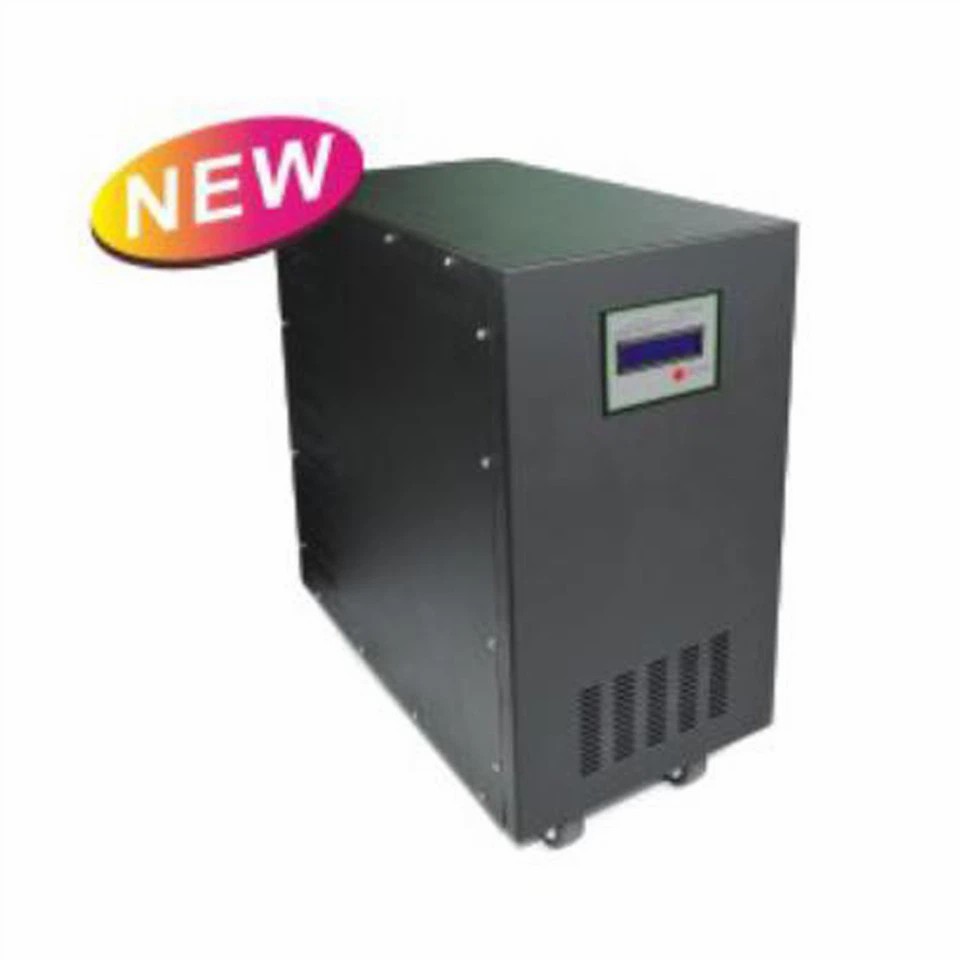
Our company offers a range of high - quality pure sine wave inverters, including High Efficiency Pure Sine Wave Inverter and Pure Sine Wave Power Inverters. These inverters are designed to meet various power requirements and are known for their reliability and efficiency.
Why Setting the Output Voltage is Important
The output voltage of an inverter needs to be set correctly to ensure the proper functioning of the connected electrical devices. Different regions around the world have different standard AC voltages. For example, in the United States and Canada, the standard household voltage is 120V, while in many European countries, it is 230V. If the output voltage of the inverter does not match the voltage requirements of the devices, it can lead to under - performance, over - heating, or even permanent damage to the equipment.
Factors Affecting Output Voltage
Several factors can influence the output voltage of a pure sine wave inverter.
Input Voltage
The input DC voltage, usually from a battery, has a direct impact on the output AC voltage. In general, a stable and appropriate input voltage is required for the inverter to produce a consistent output. If the input voltage is too low, the inverter may not be able to reach the desired output voltage, or it may shut down to protect itself. On the other hand, an excessively high input voltage can cause the inverter to malfunction or damage its internal components.
Load Requirements
The electrical load connected to the inverter also affects the output voltage. Different loads have different power requirements. A heavy load may cause a drop in the output voltage due to the increased demand for power. It's important to ensure that the inverter has sufficient capacity to handle the connected load without significant voltage fluctuations.
Inverter Design and Settings
The internal design of the inverter, including its control circuitry and voltage regulation mechanisms, plays a crucial role in determining the output voltage. Most modern pure sine wave inverters come with adjustable voltage settings that allow users to fine - tune the output according to their specific needs.
Steps to Set the Output Voltage
Here are the general steps to set the output voltage of a pure sine wave inverter:
Step 1: Read the User Manual
Before attempting to set the output voltage, carefully read the user manual that comes with the inverter. The manual provides detailed information about the specific model, including the available voltage settings, the location of the control buttons or switches, and any safety precautions.
Step 2: Power Off the Inverter
For safety reasons, turn off the inverter and disconnect it from the power source. This includes disconnecting the DC input from the battery and any AC loads connected to the inverter.
Step 3: Locate the Voltage Setting Controls
Depending on the inverter model, the voltage setting controls can be in the form of buttons, switches, or a digital interface. Some inverters have a dedicated "Voltage Setting" button or menu option. Refer to the user manual to find the exact location of these controls.
Step 4: Select the Desired Output Voltage
Use the control buttons or interface to select the desired output voltage. Most inverters offer a range of common voltages, such as 110V, 120V, 220V, or 230V. Make sure to choose the voltage that matches the requirements of your electrical devices and the local power grid standards.
Step 5: Confirm the Setting
After selecting the desired voltage, confirm the setting. This may involve pressing an "Enter" or "Confirm" button. Some inverters may display a confirmation message on the screen to indicate that the setting has been saved.
Step 6: Power On the Inverter
Reconnect the DC input from the battery and then power on the inverter. Allow the inverter a few moments to stabilize. Check the output voltage using a multimeter to ensure that it matches the set value.
Troubleshooting
If you encounter problems while setting the output voltage or if the output voltage does not match the set value, here are some troubleshooting tips:
Check the Input Voltage
As mentioned earlier, the input voltage can affect the output voltage. Use a multimeter to check the DC input voltage from the battery. Make sure it is within the acceptable range specified in the user manual.

Inspect the Load
Disconnect some or all of the electrical loads connected to the inverter and check the output voltage again. If the voltage stabilizes after removing the load, it may indicate that the load is too heavy for the inverter. Consider reducing the load or upgrading to a higher - capacity inverter.
Contact Technical Support
If the problem persists, contact the technical support team of the inverter manufacturer. They can provide further assistance and may be able to diagnose and resolve the issue.
Conclusion
Setting the output voltage of a pure sine wave inverter is a relatively straightforward process if you follow the correct steps and understand the factors involved. By ensuring that the output voltage is set correctly, you can protect your electrical devices and ensure their optimal performance.
Our company offers Top - quality Pure Sine Power Inverters that are designed with user - friendly voltage setting features. If you are in the market for a pure sine wave inverter or have any questions about voltage setting, feel free to contact us for more information and to discuss your specific requirements. We are committed to providing high - quality products and excellent customer service.
References
- General knowledge of electrical engineering principles and inverter technology.
- Manufacturer's user manuals for pure sine wave inverters.