




What are the disadvantages of a household battery storage system?
 Aug 04, 2025|
 Hey there! I'm a supplier of household battery storage systems. While these systems have gained a lot of popularity for their ability to store energy and provide backup power, they're not all sunshine and rainbows. In this blog, I'll be talking about some of the disadvantages of a household battery storage system.
High Initial Cost
One of the most significant drawbacks of a household battery storage system is the high upfront cost. Purchasing and installing a battery system can be quite expensive. You're not just paying for the battery itself; there are also costs associated with inverters, installation labor, and any necessary permits. For many homeowners, this initial investment can be a major deterrent.
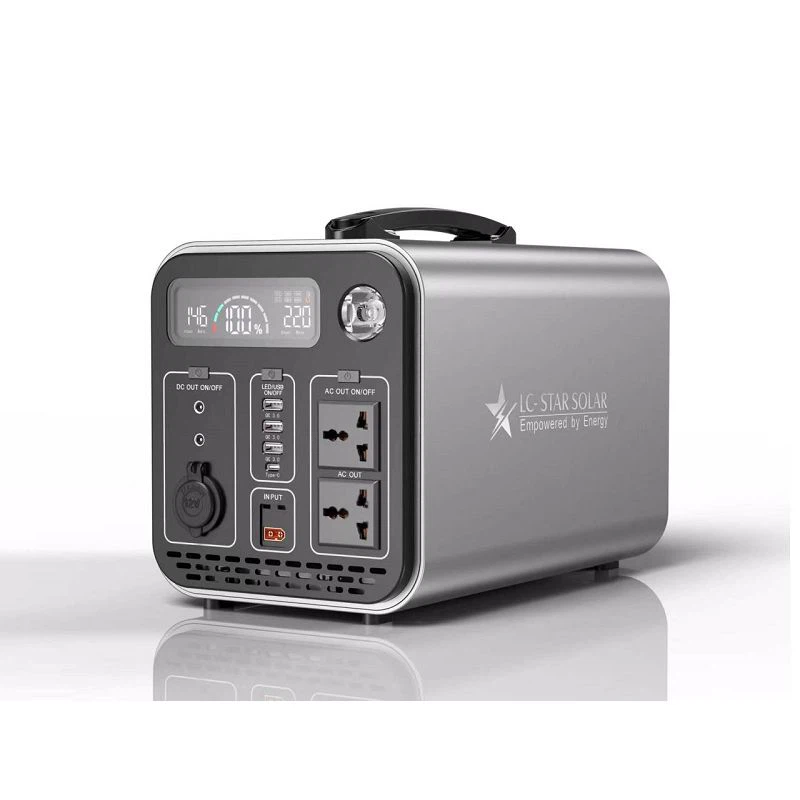
Let's say you're looking at a decent - sized Household Energy Storage System. The price can range from a few thousand dollars to tens of thousands, depending on the capacity and brand. That's a big chunk of change for most people, and it might take years to recoup the cost through energy savings.
Limited Lifespan
Batteries don't last forever. Most household battery storage systems have a limited lifespan, typically around 5 - 15 years. After this period, the battery's performance starts to degrade significantly, and it will eventually need to be replaced. This means that you'll have to shell out more money down the line for a new battery.
The lifespan of a battery can be affected by several factors, such as the number of charge - discharge cycles, the operating temperature, and how well it's maintained. If you live in an area with extreme temperatures, for example, the battery might not last as long as expected. And when it comes time to replace the battery, it can be a hassle, both in terms of cost and the logistics of getting a new one installed.
Capacity Limitations
Another disadvantage is the capacity limitations of household battery storage systems. Depending on the size of your home and your energy consumption, a battery might not be able to store enough energy to meet all your needs. For instance, if you have a large family with high energy usage, running multiple appliances at once during a power outage could quickly drain the battery.
Even if you have a relatively small home, a battery might only be able to power essential devices like a refrigerator, a few lights, and a small TV. If you're relying on the battery as an Emergency Power Supply for an extended period, you'll find that the limited capacity can be a real problem.
Maintenance Requirements
Household battery storage systems require regular maintenance to ensure optimal performance. This includes things like checking the battery's state of charge, monitoring the temperature, and inspecting the connections for any signs of wear or damage. Some batteries also need to be balanced periodically to ensure that all cells are charging and discharging evenly.
If you're not tech - savvy or don't have the time to perform these maintenance tasks, you'll have to hire a professional. And let's face it, hiring someone to maintain your battery system adds to the overall cost of ownership.
Environmental Impact
While batteries are often seen as a more sustainable option for energy storage, they do have an environmental impact. The production of batteries involves the extraction and processing of raw materials, which can be resource - intensive and can cause environmental damage. Additionally, when a battery reaches the end of its life, it needs to be disposed of properly.
Many batteries contain hazardous materials like lead, lithium, and cadmium. If not disposed of correctly, these materials can leach into the soil and water, posing a threat to the environment and human health. Recycling batteries is an option, but the recycling process can also be complex and expensive.
Compatibility Issues
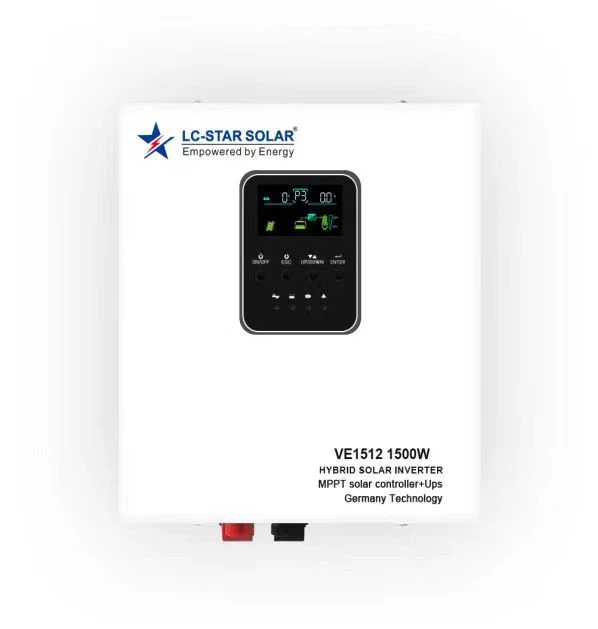
Not all household battery storage systems are compatible with every type of solar panel or electrical system. If you already have a solar power system installed in your home, you need to make sure that the battery you choose is compatible with it. Otherwise, you might run into issues with charging the battery or integrating it into your existing setup.
This compatibility issue can also make it difficult to upgrade your system in the future. If you want to add more solar panels or change your electrical system, you might find that your current battery isn't compatible, and you'll have to invest in a whole new battery storage system.
Regulatory and Permitting Challenges
Installing a household battery storage system can be subject to various regulatory and permitting requirements. Different regions have different rules regarding the installation, operation, and safety of battery systems. You might need to obtain permits from your local government, and there could be specific building codes and safety standards that you have to comply with.
These regulations can add time and cost to the installation process. You might have to hire a professional to handle the permitting process, and there's always the risk that your application could be denied or delayed.
Market Uncertainty
The market for household battery storage systems is still relatively new and evolving. There's a lot of uncertainty in terms of future technology advancements, pricing, and government incentives. Newer and more efficient battery technologies could be developed in the coming years, which could make your current battery system obsolete.
Government incentives, such as tax credits and rebates, can also change over time. If you're relying on these incentives to offset the cost of your battery system, there's a risk that they could be reduced or eliminated in the future.
Despite all these disadvantages, household battery storage systems still have their uses. They can be a great addition to a Domestic Solar Energy Storage Systems, providing backup power during outages and helping you save on energy costs in the long run.
If you're considering purchasing a household battery storage system, it's important to weigh the pros and cons carefully. And if you have any questions or want to learn more about our products, don't hesitate to reach out. We're here to help you make an informed decision and find the best solution for your energy needs. Let's start a conversation and see if a household battery storage system is right for you!
References
- "Battery Energy Storage Systems: Technology and Applications" - Various industry reports
- "The Future of Home Energy Storage" - Research papers on energy storage trends