




What are the ventilation requirements for a solar storage system for home?
 Jul 09, 2025|
 As a supplier of solar storage systems for home, I've witnessed firsthand the growing popularity of these systems. They offer homeowners the ability to store excess solar energy, ensuring a reliable power supply even when the sun isn't shining. However, one crucial aspect that often gets overlooked is the ventilation requirements for these systems. In this blog, I'll delve into why proper ventilation is essential and what you need to know to keep your solar storage system running safely and efficiently.
Why Ventilation Matters for Solar Storage Systems
Solar storage systems typically consist of batteries, inverters, and other electrical components. During the charging and discharging process, batteries generate heat. If this heat isn't properly dissipated, it can lead to several problems.

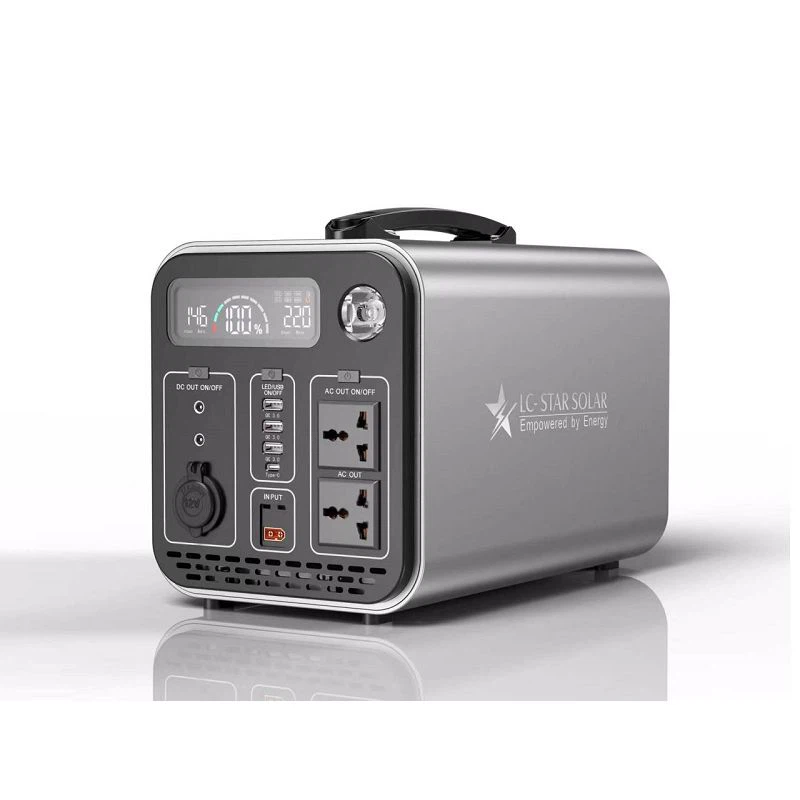
First, excessive heat can reduce the lifespan of the batteries. High temperatures accelerate the chemical reactions inside the batteries, causing them to degrade faster. This means you'll have to replace your batteries more frequently, which can be costly.
Second, overheating can also pose a safety risk. In extreme cases, it can lead to thermal runaway, a condition where the battery's temperature rises uncontrollably, potentially causing a fire or explosion. Proper ventilation helps prevent these dangerous situations by keeping the temperature within a safe range.
In addition to heat management, ventilation also helps remove any potentially harmful gases that may be released during the battery's operation. For example, some types of batteries, such as lead-acid batteries, can release hydrogen gas, which is highly flammable. Adequate ventilation ensures that these gases are safely dispersed, reducing the risk of a gas explosion.
Ventilation Requirements for Different Types of Batteries
The ventilation requirements for a solar storage system depend largely on the type of batteries used. Here are some common types of batteries and their specific ventilation needs:
Lead-Acid Batteries
Lead-acid batteries are one of the oldest and most widely used types of batteries in solar storage systems. They are relatively inexpensive and have a high energy density. However, they require careful ventilation due to the release of hydrogen and oxygen gases during charging.
According to industry standards, lead-acid batteries should be installed in a well-ventilated area with a ventilation rate of at least 1 cubic foot per minute (CFM) per square foot of battery surface area. This ensures that any gases released are quickly removed from the area. The ventilation system should also be designed to prevent the accumulation of gases in low-lying areas, as hydrogen is lighter than air and can rise to the ceiling.
Lithium-Ion Batteries
Lithium-ion batteries are becoming increasingly popular in solar storage systems due to their high energy density, long lifespan, and low maintenance requirements. Unlike lead-acid batteries, they do not release significant amounts of gas during normal operation. However, they still generate heat and require proper ventilation to maintain optimal performance.
Most lithium-ion battery manufacturers recommend a ventilation rate of 0.5 to 1 CFM per square foot of battery surface area. This helps dissipate the heat generated during charging and discharging, preventing overheating and extending the battery's lifespan. It's also important to ensure that the ventilation system is designed to provide uniform airflow across all the batteries to avoid hot spots.
Nickel-Iron Batteries
Nickel-iron batteries are known for their long lifespan and high durability. They are less prone to overheating and gas release compared to lead-acid batteries. However, they still require some level of ventilation to maintain a stable temperature.
A ventilation rate of 0.25 to 0.5 CFM per square foot of battery surface area is typically sufficient for nickel-iron batteries. This helps remove any heat generated during operation and ensures that the battery operates within its recommended temperature range.
Designing a Ventilation System for Your Solar Storage System
When designing a ventilation system for your solar storage system, there are several factors to consider:
Location of the System
The location of your solar storage system plays a crucial role in determining the ventilation requirements. If the system is installed indoors, such as in a basement or utility room, you'll need to ensure that there is adequate ventilation to remove heat and gases. This may involve installing exhaust fans, vents, or a combination of both.
If the system is installed outdoors, natural ventilation may be sufficient in some cases. However, you'll still need to consider factors such as wind direction and the potential for debris to block the vents. In areas with high humidity or extreme temperatures, additional ventilation measures may be required to protect the system from moisture and overheating.
Size of the System
The size of your solar storage system also affects the ventilation requirements. Larger systems with more batteries generate more heat and may require a more powerful ventilation system. You'll need to calculate the total surface area of the batteries and determine the appropriate ventilation rate based on the type of batteries used.
Type of Ventilation
There are two main types of ventilation systems: passive and active. Passive ventilation systems rely on natural airflow to remove heat and gases. They typically consist of vents or louvers that allow air to flow in and out of the system. Passive ventilation is often used in smaller systems or in areas with good natural ventilation.
Active ventilation systems, on the other hand, use fans or blowers to force air through the system. These systems are more effective at removing heat and gases, especially in larger systems or in areas with poor natural ventilation. Active ventilation systems can be controlled manually or automatically, depending on the temperature and gas levels in the system.
Importance of Regular Maintenance
Once you've installed a ventilation system for your solar storage system, it's important to perform regular maintenance to ensure that it continues to function properly. This includes cleaning the vents and fans, checking for any blockages or damage, and replacing any worn-out components.
Regular maintenance also helps identify any potential problems with the ventilation system before they become serious. For example, if you notice that the fans are making unusual noises or the ventilation rate has decreased, it may be a sign of a problem that needs to be addressed.
Conclusion
Proper ventilation is essential for the safe and efficient operation of a solar storage system for home. By understanding the ventilation requirements for different types of batteries and designing a suitable ventilation system, you can ensure that your system operates within its recommended temperature range, extends the lifespan of the batteries, and reduces the risk of safety hazards.
If you're considering installing a solar storage system for your home or need advice on ventilation requirements, I encourage you to contact us for more information. Our team of experts can help you choose the right system for your needs and ensure that it is installed and maintained correctly.
For more information about our products, you can visit the following links:
- Solar Batteries for Home Solar Systems
- Battery Storage for Home Solar Systems
- Emergency Power Supply
References
- "Battery Ventilation Guidelines for Stationary Applications," Battery Council International.
- "Solar Photovoltaic and Energy Storage System Installation Manual," Various Manufacturers.
- "National Electrical Code (NEC) Requirements for Solar Energy Systems," National Fire Protection Association.