




What is the C - rate of a rack mount lithium ion battery?
 Dec 31, 2025|
 Hey there! As a supplier of Rack Mount Lithium Ion Batteries, I often get asked about the C - rate of these batteries. So, I thought I'd take some time to break it down for you in a way that's easy to understand.
First off, what exactly is the C - rate? Well, the C - rate is a measure that tells you how fast a battery can be charged or discharged. It's a ratio that compares the current at which a battery is being charged or discharged to its rated current. Let me give you an example to make it clearer.
Suppose you have a Rack Mount Lithium Ion Battery with a capacity of 100 amp - hours (Ah). If the battery is being charged or discharged at a rate of 1C, it means the current is flowing at a rate that would fully charge or discharge the battery in one hour. In this case, a 1C charge or discharge rate for our 100Ah battery would be 100 amps. If the rate is 0.5C, the current would be 50 amps (since 0.5 times 100 is 50), and it would take about two hours to fully charge or discharge the battery. On the other hand, if the rate is 2C, the current would be 200 amps, and the battery could be charged or discharged in half an hour.
Why is the C - rate important? Well, it has a big impact on how you can use the battery. For applications where you need a quick charge or a high - power output, a battery with a high C - rate is essential. For instance, in some industrial settings where there's a need for rapid energy transfer, like in electric vehicle charging stations or high - power backup systems, a high C - rate Rack Mount Lithium Ion Battery is a must.
Let's talk about the different aspects of C - rate in more detail. When it comes to charging, a high C - rate battery can be charged much faster than a low C - rate one. This is really useful if you're in a hurry to get your energy storage system up and running again. But there's a catch. Charging at a very high C - rate can generate a lot of heat, which can potentially damage the battery over time. So, it's important to have proper thermal management systems in place when using high C - rate charging.
On the discharge side, a high C - rate battery can deliver a large amount of power in a short period. This is great for applications that require a sudden burst of energy, like in some power tools or emergency backup systems. However, just like with charging, discharging at a very high C - rate can also put stress on the battery and reduce its lifespan.
As a Rack Mount Lithium Ion Battery supplier, we offer a range of batteries with different C - rates to meet the diverse needs of our customers. Whether you're looking for a battery for a Household Energy Storage System that needs a moderate C - rate for daily use or a high - performance battery for an industrial application that requires a high C - rate, we've got you covered.
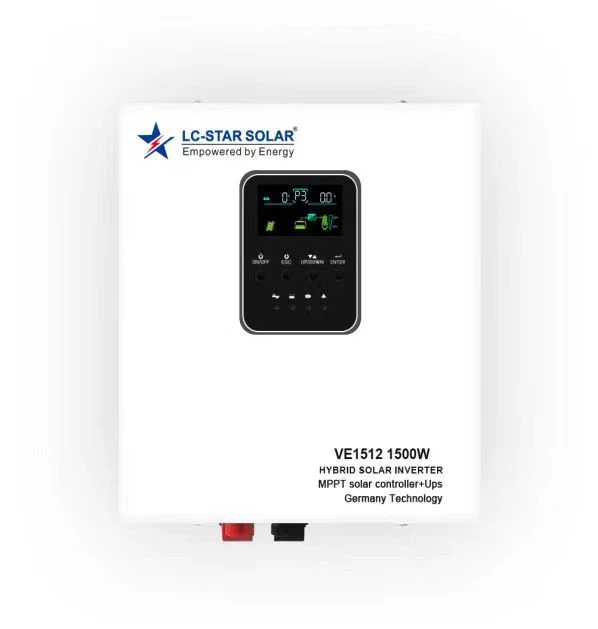

For those of you interested in home use, our batteries can be integrated into Home Electricity Storage Systems. These systems are designed to store excess energy generated by solar panels during the day and use it at night or during power outages. A battery with the right C - rate can ensure that you can charge the system efficiently during the day and have enough power when you need it.
Our Household Energy Storage Systems are also a great option for homeowners who want to reduce their reliance on the grid. With a well - chosen Rack Mount Lithium Ion Battery, you can store energy when electricity rates are low and use it when rates are high, saving you money in the long run.
Now, let's discuss how to choose the right C - rate for your needs. The first thing you need to consider is the application. If you're using the battery for a continuous, low - power application like a small home appliance, a low C - rate battery might be sufficient. But if you're using it for a high - power application like an electric vehicle charger or a large industrial machine, you'll need a high C - rate battery.
You also need to think about the charging and discharging times. If you need to charge the battery quickly or discharge it rapidly, a high C - rate is necessary. But keep in mind the trade - offs in terms of battery lifespan and heat generation.
Another factor to consider is the cost. High C - rate batteries are generally more expensive than low C - rate ones because they require more advanced technology and materials to handle the high currents. So, you need to balance your budget with your performance requirements.
As a supplier, we're here to help you make the right choice. Our team of experts can guide you through the process of selecting the Rack Mount Lithium Ion Battery with the appropriate C - rate for your specific application. We understand that every customer has unique needs, and we're committed to providing you with the best solution.
If you're interested in learning more about our Rack Mount Lithium Ion Batteries or have any questions about C - rates, don't hesitate to reach out. We're always happy to have a chat and discuss how we can meet your energy storage needs. Whether you're a homeowner looking for a reliable energy storage solution or an industrial client in need of high - performance batteries, we're here to assist you.
In conclusion, the C - rate of a Rack Mount Lithium Ion Battery is a crucial factor that determines its performance and suitability for different applications. By understanding the C - rate and choosing the right battery for your needs, you can ensure that you get the most out of your energy storage system. So, if you're in the market for a Rack Mount Lithium Ion Battery, give us a call or drop us an email. We're looking forward to working with you and helping you find the perfect battery solution.
References:
- Battery University: A comprehensive resource for battery - related knowledge.
- Journal of Power Sources: Contains research on battery performance and technology.