




What is the payback period for a home solar energy storage system?
 Jul 24, 2025|
 Yo, I'm a supplier of Home Solar Energy Storage Systems, and I often get asked about the payback period for these systems. It's a hot topic, and for good reason. Everyone wants to know when they'll start seeing a real return on their investment. So, let's dig into it.
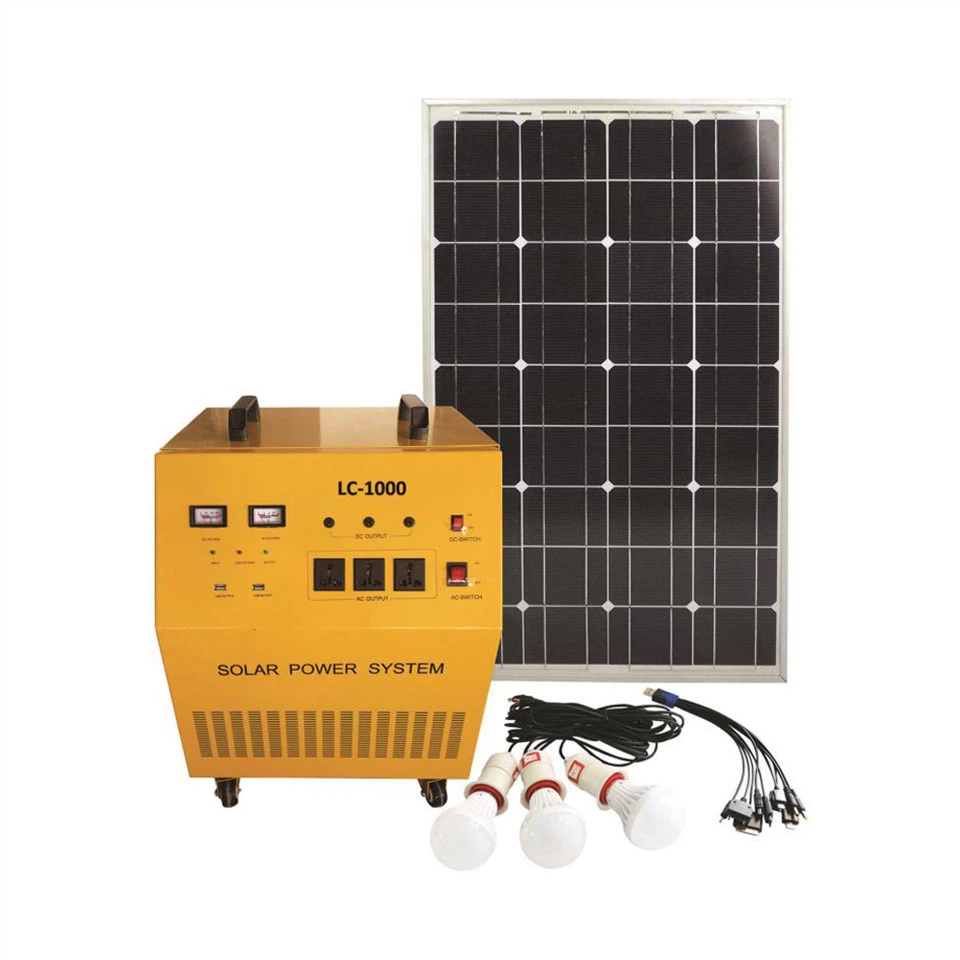
First off, what exactly is a home solar energy storage system? Well, it's a setup that allows you to store the energy generated by your solar panels. This stored energy can be used later, like at night or during power outages. It's a game - changer for homeowners looking to cut down on their electricity bills and become more energy - independent.
There are different types of home solar energy storage systems out there. You've got the Lithium Ion Battery System for Home Solar Power, which is super popular because of its high energy density and long lifespan. Then there's the Solar System for Home with Battery, which combines solar panels with a battery storage unit. And of course, the Home Power Storage Systems that come in various shapes and sizes to fit different home needs.
Now, let's talk about the factors that affect the payback period of a home solar energy storage system.
1. Initial Cost
The first thing that hits you is the upfront cost. Buying and installing a home solar energy storage system isn't cheap. You've got to pay for the solar panels, the battery storage unit, the inverters, and the installation labor. The price can vary widely depending on the size and capacity of the system. A small - scale system might cost you a few thousand dollars, while a larger, more powerful one could set you back tens of thousands. But hey, it's an investment, right?
2. Electricity Rates
Your local electricity rates play a huge role in determining the payback period. If you live in an area where electricity is expensive, you'll save more money by using your stored solar energy instead of drawing from the grid. For example, in some big cities, the cost per kilowatt - hour (kWh) can be pretty high. By using your solar - stored energy during peak hours when rates are at their highest, you can really cut down on your monthly bills.
3. Solar Insolation
Solar insolation refers to the amount of sunlight that hits a specific area. If you live in a sunny region, your solar panels will generate more energy. More energy generation means more stored energy, which in turn means more savings. Places like Arizona or California in the US get a ton of sunlight, so homeowners there are likely to see a shorter payback period compared to those in cloudier areas.
4. Usage Patterns
How you use electricity at home also matters. If you're someone who uses a lot of energy during the day when your solar panels are generating power, you might not need to rely as much on the stored energy. On the other hand, if your energy usage is higher at night, having a good storage system becomes crucial. And the more you can use your stored solar energy, the faster you'll recoup your investment.
Calculating the Payback Period
So, how do you actually calculate the payback period? It's not rocket science. You basically divide the total cost of the system by the annual savings on your electricity bills.
Let's say you spent $10,000 on a home solar energy storage system. And because of this system, you're saving $1,000 per year on your electricity bills. In this case, the payback period would be 10 years ($10,000 divided by $1,000).
But it's important to note that this is a simplified calculation. There are other factors like maintenance costs, battery replacement costs over time, and potential incentives or rebates that can affect the real payback period.
Incentives and Rebates
A lot of governments and utility companies offer incentives and rebates to encourage homeowners to go solar. These can significantly reduce the initial cost of the system, which in turn shortens the payback period. For example, some places offer tax credits that can cover a certain percentage of the system cost. There are also feed - in tariffs, where you can sell the excess energy you generate back to the grid at a set price.
Real - World Examples
Let's look at a couple of real - world examples to give you a better idea.
Example 1: Sunny Suburb
In a sunny suburb, a homeowner installs a Solar System for Home with Battery that costs $12,000. Thanks to the high solar insolation and high local electricity rates, they save about $1,500 per year on their electricity bills. After factoring in a $2,000 government rebate, the net cost of the system is $10,000. So, the payback period would be around 6.67 years ($10,000 divided by $1,500).
Example 2: Cloudy City
In a cloudier city, another homeowner spends $15,000 on a home solar energy storage system. Due to the lower solar insolation and relatively lower electricity rates, they only save about $800 per year. Without any significant incentives, the payback period would be about 18.75 years ($15,000 divided by $800).
As you can see, the payback period can vary a lot depending on where you live and your specific circumstances.
The Long - Term Benefits
Even though the payback period might seem long in some cases, there are other long - term benefits to having a home solar energy storage system.

Energy Independence
You're less reliant on the grid. During power outages, you'll still have power at home. This can be a huge advantage, especially in areas prone to natural disasters or where the grid is unreliable.
Environmental Impact
Using solar energy is much cleaner and greener than relying on fossil fuels. By installing a home solar energy storage system, you're doing your part to reduce your carbon footprint and help the environment.
Increased Home Value
Homes with solar energy systems tend to have a higher resale value. So, even if you don't stay in your home long enough to fully recoup your investment, you can still get a good return when you sell.
Conclusion
So, what's the bottom line? The payback period for a home solar energy storage system depends on a bunch of factors, including the initial cost, electricity rates, solar insolation, and your usage patterns. While it might take a few years to start seeing a real financial return, the long - term benefits in terms of energy independence, environmental impact, and increased home value are definitely worth considering.
If you're thinking about getting a home solar energy storage system, I'd love to chat with you. We can go over your specific situation, calculate the potential payback period, and find the best system for your needs. Don't hesitate to reach out and start the conversation about making your home more energy - efficient and sustainable.
References
- Energy.gov. (n.d.). Home Solar Energy Storage. Retrieved from [Website address]
- National Renewable Energy Laboratory (NREL). (n.d.). Solar Insolation Data. Retrieved from [Website address]
- Utility companies' official websites for electricity rate information.