




What is the size of a typical home power storage system?
 May 29, 2025|
In recent years, the demand for home power storage systems has witnessed a significant surge as more homeowners are seeking ways to enhance energy independence, reduce electricity bills, and contribute to a more sustainable future. As a leading supplier of Home Power Storage Systems, I often encounter questions from customers regarding the appropriate size of these systems for their homes. In this blog post, I will delve into the factors that determine the size of a typical home power storage system and provide some guidance to help you make an informed decision.
Understanding the Basics of Home Power Storage Systems
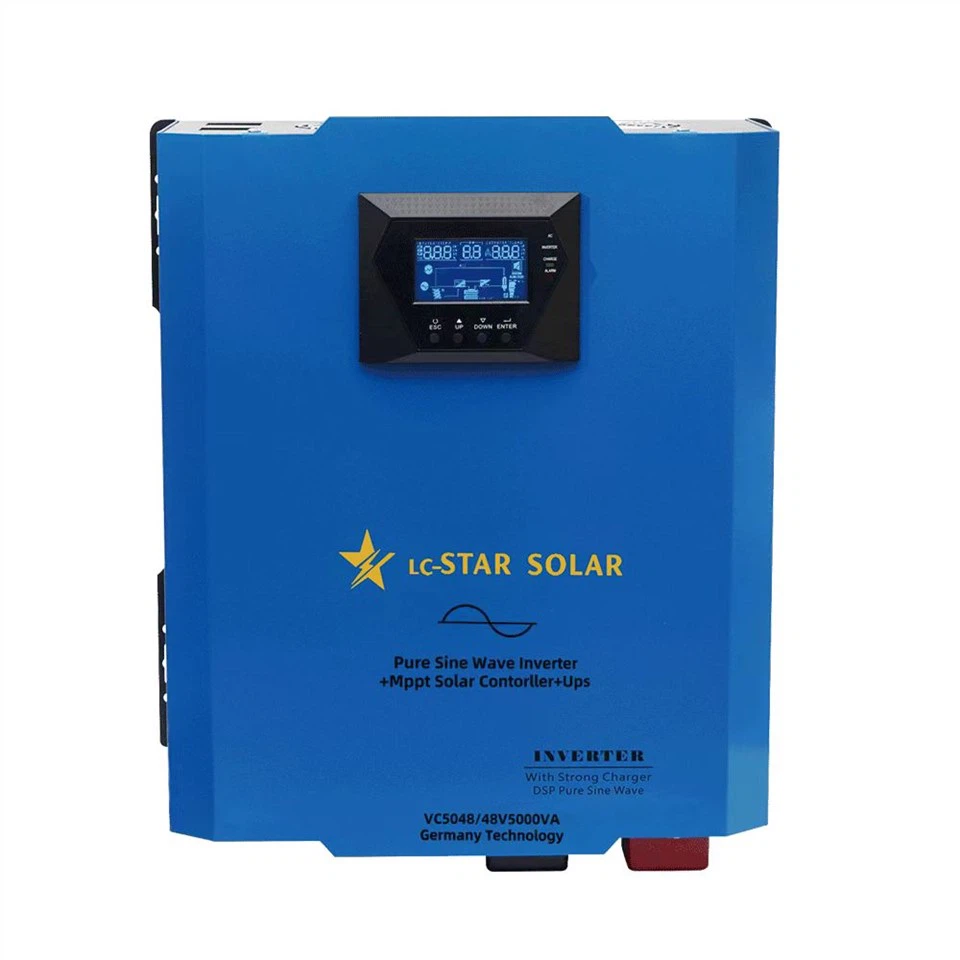
Before discussing the size of a home power storage system, it's essential to understand how these systems work. A typical home power storage system consists of a battery bank, an inverter, and a charge controller. The battery bank stores electrical energy, the inverter converts the direct current (DC) stored in the batteries into alternating current (AC) for use in the home, and the charge controller manages the charging process to prevent overcharging and over-discharging of the batteries.
Home power storage systems can be paired with solar panels to store excess energy generated during the day for use at night or during periods of low sunlight. They can also be used as a backup power source during grid outages, providing a reliable supply of electricity to critical appliances and systems in the home.
Factors Affecting the Size of a Home Power Storage System
The size of a home power storage system is typically measured in kilowatt-hours (kWh), which represents the amount of energy the system can store. Several factors influence the appropriate size of a home power storage system for a particular household, including:
Energy Consumption
The first step in determining the size of a home power storage system is to understand your household's energy consumption. This can be done by reviewing your electricity bills over the past 12 months to calculate your average daily energy usage. The higher your energy consumption, the larger the storage system you will need to meet your needs.
For example, if your average daily energy consumption is 30 kWh, you would need a storage system with a capacity of at least 30 kWh to store enough energy to power your home for a day. However, it's important to note that you may not need to store enough energy to meet your entire daily consumption, especially if you have a solar panel system that generates electricity during the day.
Solar Generation
If you have a solar panel system installed on your home, the amount of energy your panels generate will also impact the size of your home power storage system. The more energy your solar panels produce, the less energy you will need to store from the grid, and the smaller the storage system you may require.
To determine the amount of energy your solar panels generate, you can review your solar production data or use a solar calculator to estimate your system's output based on your location, panel size, and orientation. If your solar panels generate enough energy to meet a significant portion of your daily consumption, you may be able to get by with a smaller storage system.
Backup Power Requirements
Another important factor to consider is your backup power requirements. If you live in an area with frequent grid outages or are concerned about having a reliable backup power source, you will need a storage system with enough capacity to power your critical appliances and systems during an outage.
Critical appliances typically include refrigerators, freezers, lights, medical equipment, and heating or cooling systems. To determine the power requirements of your critical appliances, you can check the nameplate on each device or use an online calculator. Once you have calculated the total power requirements of your critical appliances, you can determine the size of the storage system needed to power them for the desired duration of the outage.
Budget
Finally, your budget will also play a role in determining the size of your home power storage system. Larger storage systems generally cost more than smaller ones, so you will need to balance your energy needs with your financial resources. It's important to consider the long-term benefits of a larger storage system, such as reduced electricity bills and increased energy independence, when making your decision.
Typical Sizes of Home Power Storage Systems
Based on the factors discussed above, the size of a typical home power storage system can vary widely depending on the household's energy consumption, solar generation, backup power requirements, and budget. However, here are some general guidelines to give you an idea of the typical sizes of home power storage systems:
Small Systems (5 - 10 kWh)
Small home power storage systems with a capacity of 5 - 10 kWh are suitable for households with low energy consumption or those who only need a backup power source for a few critical appliances. These systems are often paired with small solar panel systems and can provide enough energy to power a refrigerator, lights, and a few other essential devices for a few hours during an outage.
Medium Systems (10 - 20 kWh)
Medium-sized home power storage systems with a capacity of 10 - 20 kWh are a popular choice for many households. These systems can store enough energy to meet a significant portion of a household's daily energy consumption, especially when paired with a solar panel system. They can also provide backup power for a longer duration during grid outages, powering critical appliances and systems in the home for several hours or even a full day.
Large Systems (20+ kWh)
Large home power storage systems with a capacity of 20 kWh or more are typically used by households with high energy consumption or those who require a reliable backup power source for an extended period. These systems are often paired with large solar panel systems and can store enough energy to power an entire home for several days during a grid outage.
Choosing the Right Size for Your Home
Choosing the right size of a home power storage system is a crucial decision that requires careful consideration of your household's energy needs, solar generation, backup power requirements, and budget. To ensure you select the most appropriate system for your home, I recommend working with a professional energy consultant or installer who can conduct a detailed assessment of your energy usage and recommend the best solution for your specific situation.
As a supplier of Household Energy Storage Systems, we offer a range of high-quality storage systems in various sizes to meet the needs of different households. Our team of experts can help you determine the right size of the system for your home and provide professional installation and support services to ensure your system operates efficiently and effectively.
Conclusion
In conclusion, the size of a typical home power storage system depends on several factors, including energy consumption, solar generation, backup power requirements, and budget. By understanding these factors and working with a professional to assess your needs, you can choose the right size of the system to meet your household's energy needs and provide a reliable supply of electricity to your home.
If you are interested in learning more about our Home Solar Storage System or Battery Storage for Home Solar Systems, please contact us today to schedule a consultation. Our team of experts is ready to help you find the perfect solution for your home and guide you through the installation process.

References
- "Home Energy Storage: A Guide for Consumers." U.S. Department of Energy, Office of Energy Efficiency and Renewable Energy.
- "Solar Power Storage: How to Choose the Right Battery for Your Home." EnergySage.
- "Understanding Energy Storage Systems for Homes." National Renewable Energy Laboratory.