




Does reliable backup power come with a power cord?
 Nov 12, 2025|
In the modern world, where technology is the backbone of both personal and professional lives, the importance of reliable backup power cannot be overstated. A sudden power outage can disrupt business operations, lead to data loss, and even compromise safety in critical settings. As a supplier of reliable backup power solutions, I often encounter a common question: Does reliable backup power come with a power cord? This blog post aims to explore this question in depth, shedding light on the nature of backup power systems and the role of power cords within them.
Understanding Backup Power Systems
Before delving into the question of power cords, it's essential to understand the different types of backup power systems available. The most common forms include Uninterruptible Power Supply (UPS) systems, generators, and solar power systems with battery storage. Each of these systems serves the same fundamental purpose: to provide electricity when the main power source fails.
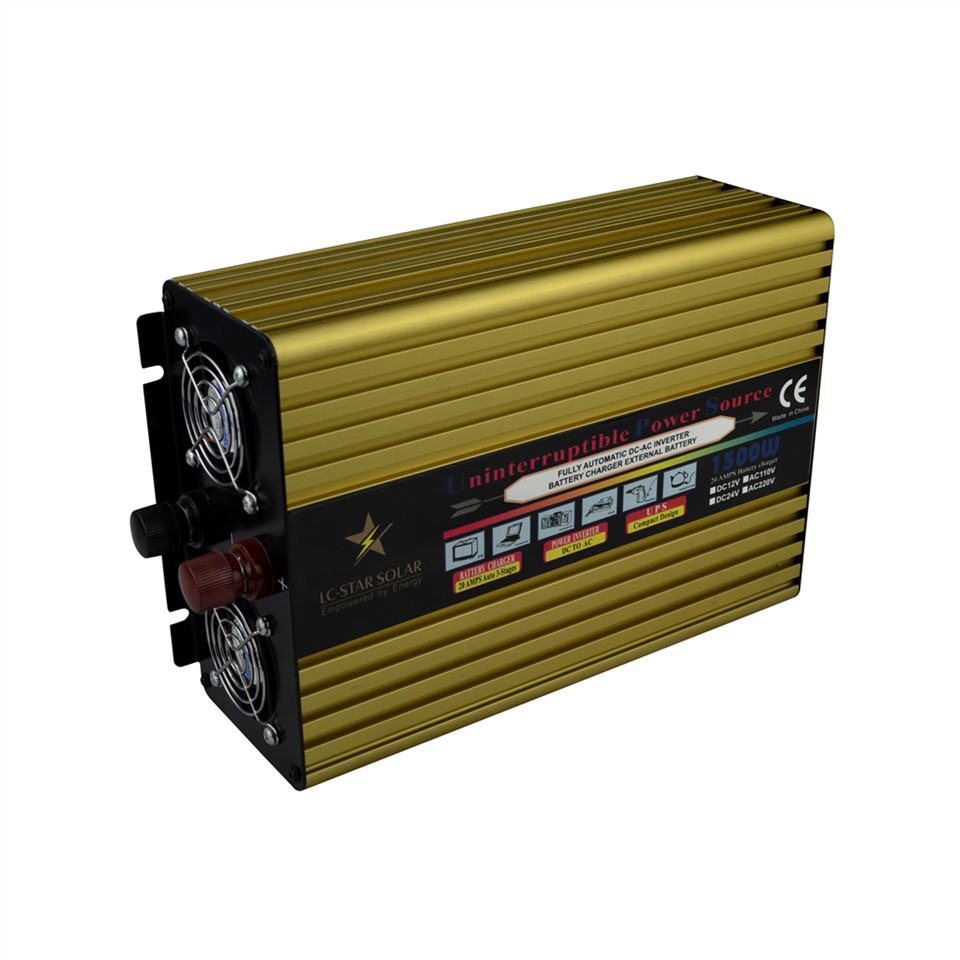
UPS Systems: UPS systems are designed to provide immediate, short - term power to connected devices. They are typically used to protect sensitive electronics such as computers, servers, and networking equipment from power disruptions. A UPS is usually connected to the device it protects via a power cord and to the main power supply. When the main power fails, the UPS instantly switches to battery power, allowing the connected device to continue operating for a limited time. This time can range from a few minutes to several hours, depending on the capacity of the UPS and the power consumption of the connected device. You can learn more about UPS Battery Backup on our website.
Generators: Generators are larger backup power solutions that can provide power for an extended period. They can run on various fuels, such as gasoline, diesel, natural gas, or propane. Unlike UPS systems, generators are not typically connected to devices via a power cord in the same direct way. Instead, they are connected to a building's electrical system through a transfer switch. When the main power fails, the transfer switch automatically disconnects the building from the grid and connects it to the generator. The generator then powers the entire electrical system of the building, allowing all connected devices to operate as normal.
Solar Power Systems with Battery Storage: These systems use solar panels to convert sunlight into electricity, which is then stored in batteries. During a power outage, the stored electricity in the batteries can be used to power the home or business. Similar to UPS systems, the connection between the battery storage unit and the devices can be made through power cords, but the overall system is more complex and often requires professional installation.
The Role of Power Cords in Backup Power
Power cords play a crucial role in backup power systems, especially in UPS systems. In a UPS, the power cord serves as the link between the UPS and the device it is protecting. It ensures that the electrical energy from the UPS is safely and efficiently transferred to the device. Without a proper power cord, the UPS would not be able to deliver power to the connected device, rendering it useless during a power outage.
However, it's important to note that not all backup power systems rely solely on power cords for their functionality. As mentioned earlier, generators are connected to a building's electrical system through a transfer switch, and the power is distributed throughout the building via the existing wiring. In this case, the power cord is not the primary means of delivering power to the devices.
In solar power systems with battery storage, power cords are used to connect various components of the system, such as the battery storage unit, the inverter, and the devices. The inverter is responsible for converting the DC power stored in the batteries into AC power, which can be used by most household and commercial devices. Power cords ensure that the electrical signals are properly transmitted between these components, allowing the system to function as a whole.
Factors to Consider When Choosing Backup Power with a Power Cord
When selecting a backup power system that uses a power cord, several factors should be taken into account:
Power Rating: The power rating of the power cord must be compatible with the power requirements of the connected device and the backup power system. Using a power cord with a lower power rating than required can lead to overheating, electrical fires, and damage to the device. On the other hand, using a power cord with a much higher power rating than necessary is unnecessary and can be more expensive.

Length: The length of the power cord is also an important consideration. A cord that is too short may not reach the device, while a cord that is too long can cause voltage drops, especially if it is carrying a high - power load. It's important to choose a power cord of the appropriate length for your specific needs.
Quality: The quality of the power cord can significantly affect its performance and safety. High - quality power cords are made with better insulation materials, which can prevent electrical shocks and short circuits. They also have a more robust construction, which can withstand wear and tear over time.
Benefits of Reliable Backup Power with a Power Cord
There are several benefits to having a reliable backup power system that uses power cords:
Immediate Power Supply: In the event of a power outage, a UPS system connected to a device via a power cord can provide immediate power, allowing the device to continue operating without interruption. This is particularly important for critical applications such as data centers, hospitals, and emergency response centers.
Protection of Devices: Backup power systems with power cords can protect connected devices from power surges, spikes, and brownouts. These power disturbances can damage sensitive electronics and lead to data loss. By providing a stable and clean power supply, the backup power system helps to extend the lifespan of the devices.
Convenience: Power cords make it easy to connect and disconnect devices from the backup power system. This allows for flexibility in using the backup power system and makes it easier to move and reconfigure the devices as needed.
Choosing the Right Backup Power Solution
As a supplier of reliable backup power solutions, we understand that choosing the right backup power system can be a daunting task. There are many factors to consider, such as the power requirements of your devices, the duration of the backup power needed, and your budget.
If you are looking for a solution to protect individual devices, such as computers or servers, a UPS system with a power cord may be the best option. It provides immediate power and protects the devices from power disturbances. You can explore our Emergency Power Supply options on our website.
For larger applications, such as powering an entire building or a business, a generator or a solar power system with battery storage may be more suitable. These systems can provide power for an extended period and are better suited for high - power loads. If you are interested in becoming a supplier of emergency power supplies, you can visit our Emergency Power Supply Supplier page.
Conclusion
In conclusion, while reliable backup power does not always come with a power cord, power cords play a vital role in many backup power systems, especially UPS systems. They are the link that allows the backup power to be delivered to the devices, ensuring their continuous operation during a power outage.
Whether you are a homeowner looking to protect your electronics or a business owner in need of a reliable backup power solution, we are here to help. Our team of experts can assist you in choosing the right backup power system for your specific needs. Contact us today to start the procurement process and ensure that you are prepared for any power outage.
References
- "Electrical Engineering Handbook" by Richard C. Dorf
- "Power Systems Engineering" by Turan Gonen
- Industry reports on backup power systems