




How does a home solar energy storage system protect against overcharging?
 Nov 12, 2025|
As a supplier of Home Solar Energy Storage Systems, I've witnessed firsthand the growing interest in these systems as more homeowners look for sustainable and reliable energy solutions. One of the critical aspects of a home solar energy storage system is its ability to protect against overcharging. In this blog, I'll delve into how these systems achieve this crucial protection and why it's so important.
The Basics of Home Solar Energy Storage Systems
Before we discuss overcharging protection, let's briefly understand how a home solar energy storage system works. A typical system consists of solar panels, an inverter, and a battery storage unit. The solar panels capture sunlight and convert it into electricity. The inverter then transforms the direct current (DC) electricity produced by the solar panels into alternating current (AC) electricity, which is used to power your home. Any excess electricity that your home doesn't use is stored in the battery for later use, such as during the night or on cloudy days.
Why Overcharging Protection is Essential
Overcharging a battery can have several detrimental effects. Firstly, it can significantly reduce the battery's lifespan. When a battery is overcharged, it can cause chemical reactions within the battery that lead to the degradation of its components. This degradation can result in a loss of capacity over time, meaning the battery will be able to store less and less energy.
Secondly, overcharging can pose a safety risk. In some cases, overcharging can cause the battery to overheat, which can lead to swelling, leakage, or even a fire. This is especially true for lithium-ion batteries, which are commonly used in Home Battery Energy Storage System. Therefore, protecting against overcharging is not only important for the longevity of the battery but also for the safety of your home and family.
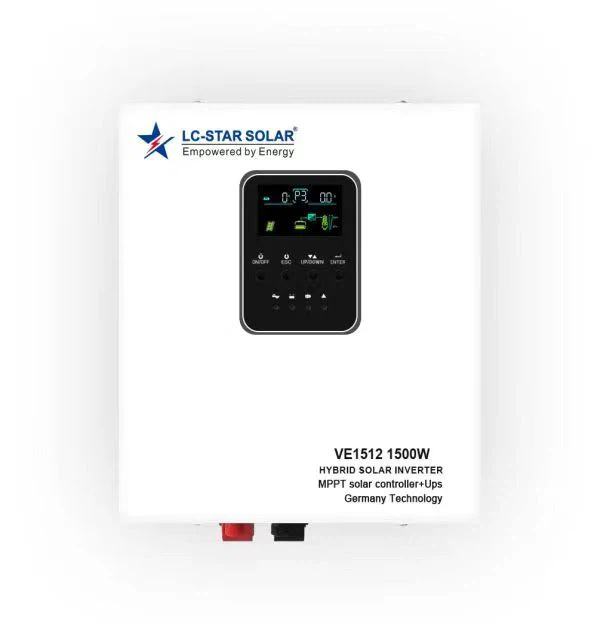
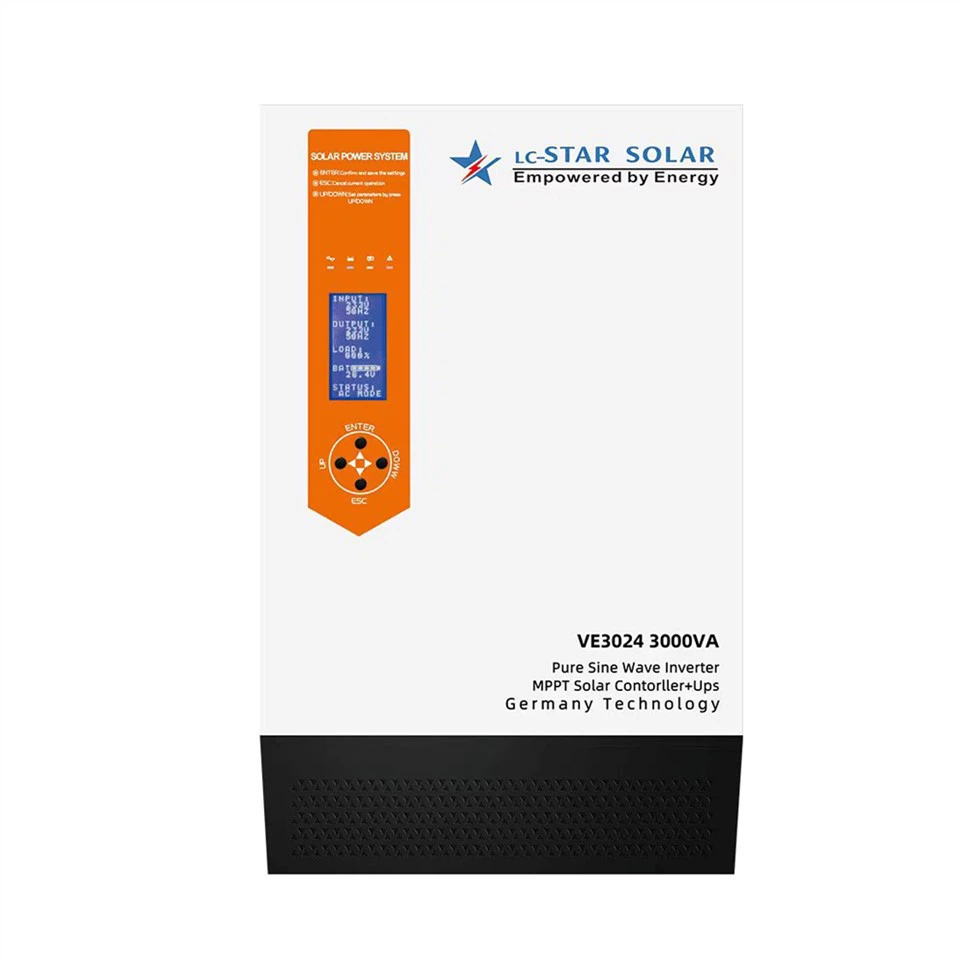
How Home Solar Energy Storage Systems Protect Against Overcharging
Charge Controllers
One of the primary ways that home solar energy storage systems protect against overcharging is through the use of charge controllers. A charge controller is a device that regulates the amount of electricity flowing from the solar panels to the battery. It monitors the battery's state of charge and adjusts the charging current accordingly.
When the battery is fully charged, the charge controller will reduce or stop the flow of electricity from the solar panels to the battery. This prevents the battery from being overcharged. There are two main types of charge controllers: PWM (Pulse Width Modulation) and MPPT (Maximum Power Point Tracking).
PWM charge controllers are the more basic and affordable option. They work by rapidly switching the charging current on and off to control the amount of charge going into the battery. MPPT charge controllers, on the other hand, are more advanced and efficient. They can maximize the power output from the solar panels by constantly adjusting the voltage and current to match the maximum power point of the panels. This allows for faster charging of the battery while still providing overcharging protection.
Battery Management Systems (BMS)
Another important component in preventing overcharging is the Battery Management System (BMS). A BMS is an electronic system that manages the battery pack. It monitors the battery's voltage, temperature, and state of charge, and it can also balance the charge between individual battery cells.
The BMS plays a crucial role in overcharging protection. It can detect when the battery is approaching its full charge and take appropriate action. For example, it can reduce the charging current or even disconnect the battery from the charging source if necessary. Additionally, the BMS can help to ensure that each cell in the battery pack is charged evenly, which can improve the overall performance and lifespan of the battery.
Smart Inverters
Smart inverters are also becoming increasingly important in home solar energy storage systems. These inverters are equipped with advanced technology that allows them to communicate with other components of the system, such as the charge controller and the BMS.
Smart inverters can adjust the power output of the solar panels based on the battery's state of charge. If the battery is close to being fully charged, the smart inverter can reduce the power output of the solar panels to prevent overcharging. This not only protects the battery but also helps to optimize the overall efficiency of the system.
The Role of System Design in Overcharging Protection
In addition to the components mentioned above, the overall design of the home solar energy storage system also plays a role in protecting against overcharging. A well-designed system will take into account the size of the solar panels, the capacity of the battery, and the energy consumption of the home.
For example, if the solar panels are too large for the battery capacity, there is a higher risk of overcharging. Therefore, it's important to ensure that the system is properly sized so that the solar panels can produce enough energy to meet the home's needs without overcharging the battery.
Conclusion
In conclusion, protecting against overcharging is a critical aspect of a home solar energy storage system. Through the use of charge controllers, Battery Management Systems, smart inverters, and proper system design, these systems can effectively prevent overcharging and ensure the longevity and safety of the battery.
If you're considering installing a Household Energy Storage System for your home, it's important to choose a system that has robust overcharging protection features. At our company, we offer high-quality Solar Batteries for Home Solar Systems that are designed with the latest technology to provide reliable overcharging protection.
If you have any questions or would like to discuss your specific needs, we encourage you to contact us. Our team of experts is ready to help you find the right home solar energy storage system for your home. Let's work together to create a more sustainable and energy-efficient future.
References
- "Solar Power Systems: Design and Installation" by Paul Gipe.
- "Battery Technology Handbook" by Thomas B. Reddy.
- Industry reports on home solar energy storage systems.