




How do home electricity storage systems optimize energy usage?
 Jul 14, 2025|
As a supplier of Home Electricity Storage Systems, I've witnessed firsthand the transformative power these systems have on energy usage in households. In this blog, I'll delve into how home electricity storage systems optimize energy usage, highlighting their benefits and real - world applications.
Understanding Home Electricity Storage Systems
Home electricity storage systems are devices that store electrical energy for later use. They typically consist of batteries, a charge controller, and an inverter. The batteries store the electricity, the charge controller manages the charging process to ensure the batteries are not over - charged or under - charged, and the inverter converts the stored DC (direct current) electricity into AC (alternating current) electricity, which is used by most household appliances.
These systems can be charged from various sources, such as the grid, solar panels, or wind turbines. Solar energy is a particularly popular source for charging home electricity storage systems, as it is clean, renewable, and abundant in many regions. A Solar System For Home With Battery combines solar panels with a battery storage system, allowing homeowners to capture and store solar energy during the day and use it at night or during periods of low sunlight.
Optimizing Energy Usage Through Load Shifting
One of the primary ways home electricity storage systems optimize energy usage is through load shifting. Load shifting involves storing electricity during periods of low demand and using it during periods of high demand. This is beneficial for both homeowners and the grid.
On the homeowner's side, electricity prices often vary throughout the day. Utility companies typically charge higher rates during peak demand periods, such as late afternoons and evenings when most people are at home and using appliances. By storing electricity during off - peak hours when prices are lower and using it during peak hours, homeowners can significantly reduce their electricity bills.
For example, a homeowner with a home electricity storage system can charge the batteries overnight when electricity rates are low. Then, during the peak hours in the evening, instead of drawing electricity from the grid at the higher rate, they can use the stored electricity from their batteries. This not only saves money but also reduces the strain on the grid during peak demand periods.
Backup Power During Outages
Another crucial aspect of optimizing energy usage is ensuring a continuous power supply. A home electricity storage system can act as an Emergency Power Supply during power outages. Power outages can occur due to various reasons, such as severe weather, equipment failures, or grid disruptions.
When a power outage occurs, a well - designed home electricity storage system can automatically switch to battery power, providing electricity to essential appliances such as refrigerators, lights, and medical equipment. This not only ensures the comfort and safety of the household but also prevents food spoilage and potential damage to sensitive electronics.
For instance, in areas prone to hurricanes or snowstorms, having a home electricity storage system can be a lifesaver. It allows homeowners to maintain a basic level of normalcy during an outage and reduces the need for noisy and polluting portable generators.
Integration with Renewable Energy Sources
Renewable energy sources like solar and wind are intermittent. Solar panels only generate electricity during daylight hours, and wind turbines depend on the availability of wind. Home electricity storage systems play a vital role in integrating these renewable energy sources into the household energy mix.
A Solar Storage System For Home stores the excess solar energy generated during the day. This stored energy can then be used when the sun is not shining, such as at night or on cloudy days. By doing so, homeowners can maximize their use of clean, renewable energy and reduce their reliance on fossil - fuel - based electricity from the grid.
In addition, integrating home electricity storage systems with renewable energy sources can also help in reducing the carbon footprint of a household. As more and more homeowners adopt these systems, the overall demand for non - renewable energy sources decreases, contributing to a more sustainable energy future.
Monitoring and Management of Energy Usage
Modern home electricity storage systems often come with advanced monitoring and management features. These features allow homeowners to track their energy consumption, battery charge levels, and the source of their electricity (grid, solar, or battery).
With real - time data on energy usage, homeowners can make informed decisions about when to use electricity and when to store it. For example, if the battery is almost full and there is a forecast of high electricity prices in the evening, the homeowner can plan to use more electricity from the battery during that time.
Some home electricity storage systems also offer remote monitoring capabilities through mobile apps. This means that homeowners can monitor and control their energy usage even when they are away from home. They can adjust the charging and discharging settings of the battery, check the status of their solar panels, and receive alerts if there are any issues with the system.
Real - World Examples of Energy Optimization
Let's look at a real - world example of how a home electricity storage system can optimize energy usage. Consider a family living in a suburban area with a solar panel system and a home electricity storage system. During the day, the solar panels generate electricity, which is used to power the household appliances. Any excess electricity is stored in the battery.
In the evening, when the family is using more electricity for cooking, lighting, and entertainment, they start using the stored electricity from the battery instead of drawing from the grid. Over the course of a month, this family notices a significant reduction in their electricity bill.
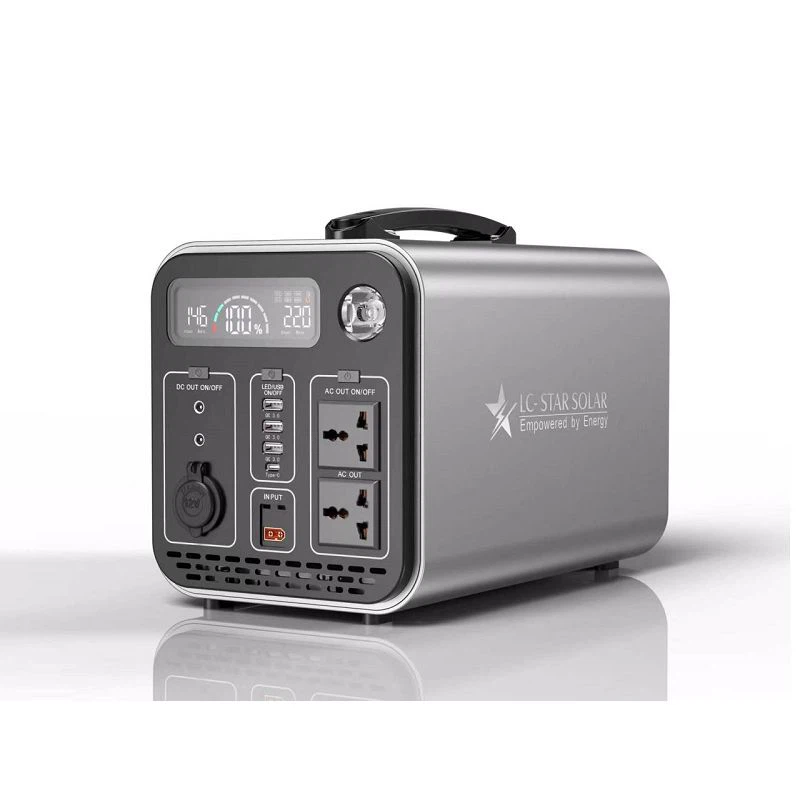

Another example is a small business that has installed a home electricity storage system. The business operates during regular business hours and has high energy demands during that time. By using a home electricity storage system to store electricity during off - peak hours and using it during business hours, the business can reduce its operating costs and improve its bottom line.
Conclusion
Home electricity storage systems offer a multitude of ways to optimize energy usage. Through load shifting, providing backup power, integrating with renewable energy sources, and offering advanced monitoring and management features, these systems not only benefit homeowners but also contribute to a more sustainable and reliable energy grid.
If you're interested in learning more about how a home electricity storage system can optimize your energy usage and reduce your electricity costs, I encourage you to reach out for a consultation. We can discuss your specific energy needs, evaluate the best system for your home or business, and guide you through the installation process. Let's work together to make your energy usage more efficient and sustainable.
References
- DOE. (2023). Energy Storage Technologies for Homes. U.S. Department of Energy.
- IEA. (2023). Renewable Energy and Energy Storage in the Residential Sector. International Energy Agency.
- NREL. (2023). Home Energy Storage Systems: A Guide for Consumers. National Renewable Energy Laboratory.