





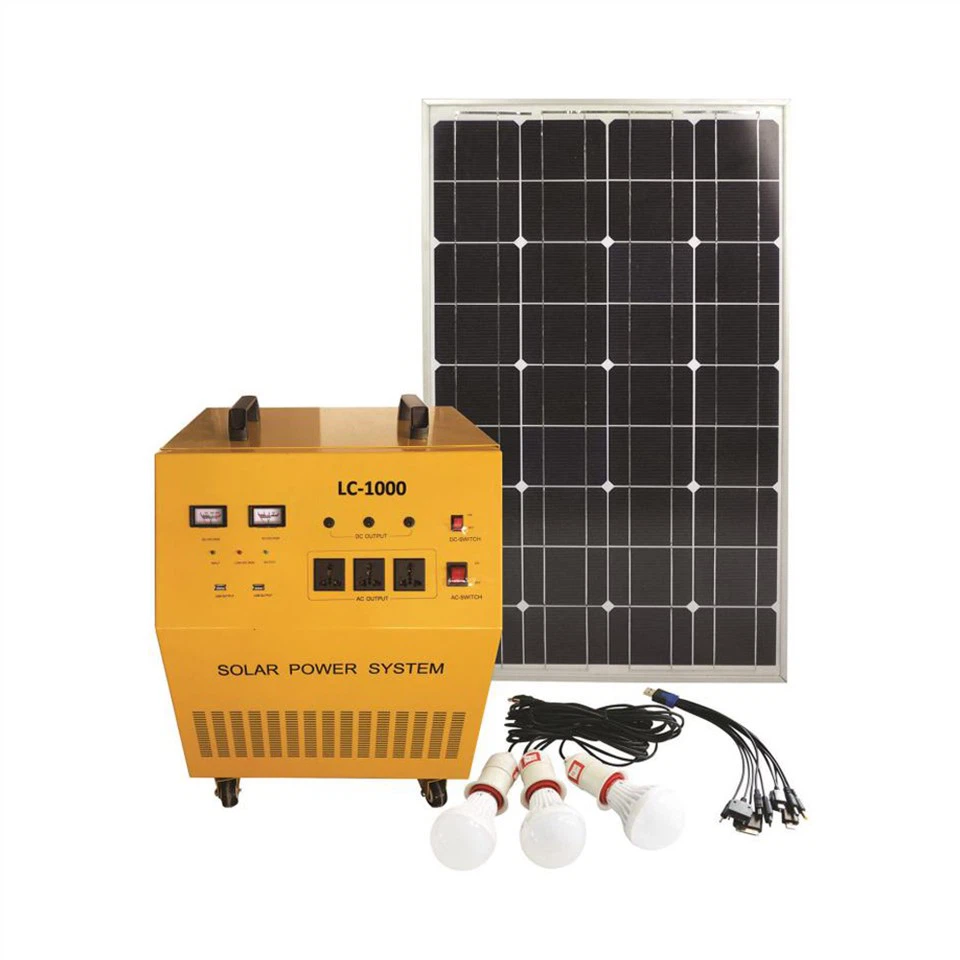
Solar System For Home With Battery
The concepts of "integrity, excellency, and mutual-benefit" enable Longchi to establish a long-term partnership with distributors from more than 50 countries. The annual sales volume amounts to 530 million.

- Product Introduction
Company Profile
The originator of Longchi technology has rooted in the field of solar energy as early as in 1990s. Longchi factory was founded in 2011, occupies 56667 square meter and is located at the center of the Yangtze River Delta-Huzhou,Zhejiang.
Longchi is the forerunner of off-grid solar energy system and home energy storage solutions in China, aiming to improve the energy supply situation especially in rural areas. With strong R&D, reliable quality, and strict supply chain management, Longchi products have been testified for peak performance and long life. The concepts of "integrity, excellency, and mutual-benefit" enable Longchi to establish a long-term partnership with distributors from more than 50 countries. The annual sales volume amounts to 530 million.
Why Choose Us
High quality
Our products are manufactured or executed to very high standards, using the finest materials and manufacturing processes.
Quality control
We have professional personnel to monitor the production process, inspect the products and ensure that the final product meets the required quality level standards, guidelines and specifications.
Delivery speed
We have huge production capacity to ensure on-time delivery and transportation to the destination as soon as possible.
24h online service
We try and respond to all concerns within 24 hours and our teams are always at your disposal in case of any emergencies.

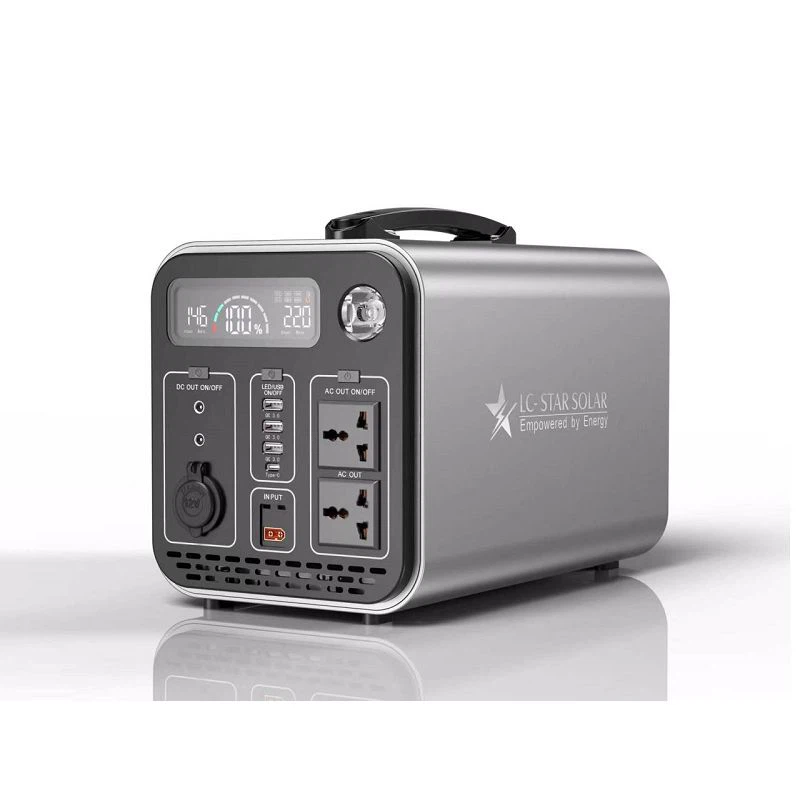

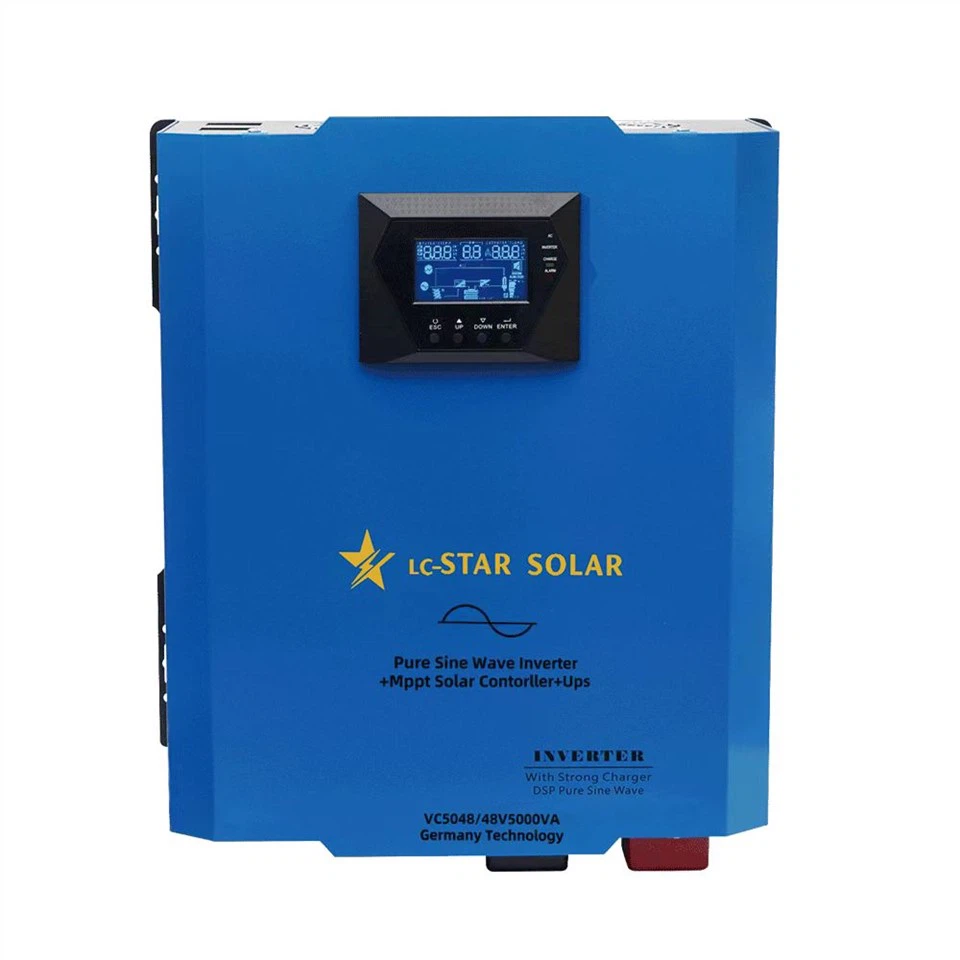


What is Solar system for home with battery
Without somewhere to send energy produced by your Solar System for Home with Batterys, solar would be fairly inefficient-your appliances would only work when the sun is shining and your panels are working. If you don't use the energy, it'd be wasted-and you wouldn't be able to use it at night. Enter solar batteries, which store energy generated by your panels for use when you actually need it. Solar batteries are an alternative (or addition to) feeding energy back to the grid and can help you make your house or facility somewhat immune from power outages and even help take it off-grid entirely.
A battery-ready system is really a marketing term used to describe a solar system that uses a hybrid inverter rather than a standard solar inverter. A hybrid inverter is essentially a solar inverter with integrated battery connections and controls, which makes installing a battery much easier if you decide to add one in the future. The problem is that 'battery ready' or hybrid inverters are typically 30% more expensive than a standard solar inverter, and due to the rapid evolution in battery technology, finding a compatible battery may be difficult after a few years.
Solar system for home with battery
Energy independence
Solar System for Home with Battery is an essential component of a home reliant entirely on solar power. The battery can store power during the day, so it's available at night to keep the lights on for an entire evening. Solar System for Home with Battery system can also turn your off-grid solar system into an emergency backup during power outages.
Electric bill savings
Solar System for Home with Battery can help consumers power their homes by harnessing the sun. This will allow them to purchase less from the grid and save money on their electric bill.
Reduce carbon footprint
Solar energy can minimize our use of fossil fuels and protect our environment. Solar batteries generate solar energy when exposed to sunlight, which can then be used to power devices or recharge a laptop or phone battery.
Uninterrupted power supply
One of the most significant benefits of a home battery backup system is that it provides an uninterrupted power supply, even during blackouts. With a home battery backup system, you can continue your daily activities without any interruptions.
Environmental benefits
Using energy stored in a home battery backup system can reduce your reliance on the grid and lower your carbon footprint. By storing energy from Solar System for Home with Batterys or the grid during off-peak periods, you can reduce your overall energy consumption during peak periods. This not only saves you money on your electricity bills, but it also helps to reduce your overall environmental impact.
Increased reliability
Home battery backup systems provide increased reliability and peace of mind, especially for those living in areas prone to power outages. With a home battery backup system, you don't have to worry about losing power during critical moments, such as during a storm or other emergency.
Solar System for Home with Battery
The four main types of batteries used in the world of solar power are lead-acid, lithium ion, nickel cadmium and flow batteries.
Lead-acid
Lead-acid batteries have been in use for decades and are one of the most common types of battery used in automotive and industrial applications. They have a low energy density (meaning they cannot hold much energy per kg of weight), but remain both cost-effective and reliable and thus have become a common choice for use in a home solar setup.
Lead-acid batteries come in both flooded and sealed varieties and can be classified as either shallow cycle or deep cycle depending on the intended function and safe depth of discharge (DOD). Recent technological advancements have improved the lifespan of these batteries and lead-acid continues to be a viable option for many homeowners.
Lithium-ion
The technology behind lithium-ion batteries is much newer than that of other battery types. Lithium-ion batteries have a high energy density and offer a smaller, lighter and more efficient option. They allow the user to access more of the energy stored within the battery before needing to be recharged, making them great for use in laptops and phones-and in your home.
The major drawback of lithium-ion batteries is the significantly higher cost to the consumer. If improperly installed lithium-ion batteries also have the potential to catch fire due to an effect called thermal runaway.
Nickel-cadmium
Nickel-cadmium batteries are rarely used in residential settings and are most popular in airline and industrial applications due to their high durability and unique ability to function at extreme temperatures. Nickel-cadmium batteries also require relatively low amounts of maintenance when compared to other battery types.
Unfortunately, cadmium is a highly toxic element that, if not disposed of properly, can have a significant negative impact on our environment.
Flow
Flow batteries depend on chemical reactions. Energy is reproduced by liquid-containing electrolytes flowing between two chambers within the battery. Though flow batteries offer high efficiency, with a depth of discharge of 100%, they have a low energy density, meaning the tanks containing the electrolyte liquid must be quite large in order to store a significant amount of energy. This size makes them a costly and impractical option for most household use. Flow batteries are much better suited to larger spaces and applications.
Flow batteries
These batteries use a chemical solution that flows through the battery to store and release energy. They have a longer lifespan than other types of batteries, but they are more expensive.
Saltwater batteries
These batteries use a saltwater solution to store and release energy. They are non-toxic and have a longer lifespan than other types of batteries.
How do solar system for home with battery work?
Solar System for Home with Batteryhold the key to unlocking the full potential of renewable energy. As sunlight is converted into electricity by Solar System for Home with Batterys, any extra energy generated during sunny periods can be captured and stored within these batteries for future use. This also ensures a continuous power supply all year round.
Inside the solar battery, chemical reactions take place to store the surplus electricity as potential energy. So, when electricity is needed when the sun isn't shining, such as during nighttime or overcast days, the stored energy is converted back into usable electricity and readily supplied to your home.
By allowing homeowners to maximize their solar energy consumption, Solar System for Home with Batteryincrease the reliability of solar power systems and decrease dependence on the conventional power grid. The ability to store and utilize solar energy even during periods of limited sunlight makes solar power a more practical and efficient choice for renewable energy.
Other Solar Batteries Applications
Residential applications
- Backup Power: In case of power outages, solar batteries can supply electricity to your home, ensuring that essential appliances keep running.
- Energy Independence: Store excess solar energy for use during nighttime or cloudy days, reducing your reliance on the grid.
- Off-Grid Living: For homes in remote locations without access to electricity, solar batteries can store generated power for a consistent energy supply.
- Demand Shaving: By using stored solar energy during peak hours, you can reduce your electricity bills.
Commercial applications
- Emergency Backup: For businesses, solar batteries can provide emergency power to critical systems like data centers.
- Energy Arbitrage: Businesses can store low-cost energy and use or sell it when prices are high.
- Grid Services: Large battery systems can provide services to the electrical grid, such as frequency regulation and demand response.
Specialized uses
- Remote Installations: For field research stations, military bases, or other specialized installations, solar batteries can provide a reliable power source.
- Portable Solar Generator: A portable solar generator can be used for camping, boating, and other recreational activities.
- Electric Vehicle Charging: Some people use solar batteries to store energy for charging electric vehicles.
Community and utility scale
- Microgrids: In smaller community grids, solar batteries can provide backup power and grid stabilization.
- Grid Stabilization: On a larger scale, utility companies use massive
6 Applications of Solar System for Home with Battery
Solar System for Home with Battery are widely known in the industry as commercially unviable at current costs. However there are some situations where installing Solar PV with a battery bank is the best economic option available. Firstly its worth looking at some of the main ways solar batteries create value.
Self consumption during non-solar periods
Perhaps the most obvious way in which a battery could be utilised is by charging the battery during the daytime while solar panels generate surplus energy and discharging during the night time. Typically self-consumption in this method alone is not sufficient to merit the investment of Solar Batteries at current pricing. Best cases for self consumption will cycle daily to maximise utilisation during the useful life lifetime of a battery.
Lowering peak demand
Lowering demand charges presents some challenges for Solar PV systems. Batteries can provide greater assurance that daily peaks won't be as high. Demand charges can represent up to 50% of a commercial power bill so this is a significant benefit to investment of solar batteries. To calculate the savings you can expect, a granular understanding of your energy consumption (30 minute interval data) and a good understanding of your electrical retailers demand tariffs is required.
Arbitrage between retail prices
A battery bank can help manage the fluctuation in retail prices through-out the day. At its simplest, the opportunity would be to charge the batteries in off-peak periods and discharge the batteries during the peak periods. In some cases the difference in c/kWh can be over 30c so this can create significant value if your energy profile suits. Similarly larger energy organisations are exploring opportunities to leverage battery solutions at scale to sell electricity on the National Energy Market (NEM) as critical times.
Coverage during blackouts
Power critical businesses stand to lose large amounts of money from lost business during unexpected blackouts. Depending on the reliability of the grid in your area, a battery solution as a backup power source can provide great value by enabling business continuity. Largely batteries contend with diesel generators in this space which are expensive upfront and to run – however offer greater longevity if the blackout lasts a longer than the battery capacity.
Avoiding power supply upgrades
Grid infrastructure can be very expensive. In some cases businesses who require a lot of power will need to pay for a sub-station or large transformer to be added to the network to enable them to draw the required quantity of power. In most cases Solar Power with batteries is a cheaper and preferable solution and can be either tied in with the existing transformer or designed as an off-grid solution.
Importantly the above applications of solar batteries are not mutually exclusive. Meaning to assess the potential of solar batteries you need to analyse all other feasible opportunities in conjunction. Similarly the product specific attributes such as rate of degradation, round-trip efficiency and effective depth of discharge must be factored in to examine the performance over the expected lifetime.
Solar energy storage
The origins of "solar + storage" came from the earliest combinations of photovoltaic modules, power electronics, and lead-acid batteries used exclusively in the domain of what we now categorize as off-grid solar. With rapid advances in those core technologies, the applications for energy storage have broadened significantly, and energy storage is now central to solutions ranging from utility-connected residential systems to micro-grids providing reliable power for rural electrification.
The need for coordination between solar modules (the fuel), inverters (the engine), and batteries (the fuel tank) can't be understated. Just as you'd expect your car or truck to utilize these three components to work seamlessly to get you from A to B, any effective solar battery system relies on that same level of integration.

Home Solar System for Home with Batterys typically consist of three main components:
Battery:The battery is the most crucial component of a home Solar System for Home with Battery. It stores the energy generated from your Solar System for Home with Batterys or the grid when electricity is available.
Inverter:The inverter converts the DC electricity stored in the battery to AC electricity that your home appliances can use. It also regulates the flow of electricity between the battery, Solar System for Home with Batterys, and the grid to ensure that your battery is charged and ready when needed.
Monitoring System:The monitoring system tracks energy usage and battery status. It also provides information about the amount of energy stored in the battery and how much energy is being used in real time.
Factors to consider when choosing a battery backup
Choosing the right home Solar System for Home with Battery can be a challenging task, given the range of options available in the market. Here are some of the most critical factors to consider when choosing a home Solar System for Home with Battery:
Battery capacity
The battery capacity is the amount of energy that the battery can store, and it is measured in kilowatt-hours (kWh). When choosing a home Solar System for Home with Battery, you should consider your energy needs and choose a battery with the appropriate capacity. A larger battery capacity can provide more backup power, but it also comes with a higher price tag.
Power output
The power output is the amount of power that the battery can supply at any given time, and it is measured in watts (W). You should choose a home Solar System for Home with Battery with a power output that matches the power needs of your home. If you have a lot of high-energy appliances, such as air conditioners or electric heaters, you will need a backup system with a higher power output.
Lifespan
The lifespan of the battery is how long it will last before needing to be replaced. You should choose a home Solar System for Home with Battery with a long lifespan to ensure that you get the most out of your investment. Many home Solar System for Home with Batterys come with warranties that can give you peace of mind and protect your investment.
Brand reputation
Brand reputation is an essential factor to consider when choosing a home Solar System for Home with Battery. You should choose a reputable brand with a proven track record of producing reliable and high-quality products. One such manufacturer is Anker, which offers a wide range of home Solar System for Home with Batterys. Its best-selling product the Anker PowerHouse 767 is a portable power station with a capacity of 2048Wh that can power up to 12 devices simultaneously. It has four AC ports with a wattage of up to 2400W, three USB-C charging ports, two USB-A ports, and two car outlets. The Anker PowerHouse 767 comes with a monitoring system that tracks energy usage and battery status and provides information about the amount of energy stored in the battery and how much energy is being used in real-time.
Certifications


FAQ
Hot Tags: solar system for home with battery, China solar system for home with battery manufacturers, suppliers, factory, domestic rechargeable battery storage, home energy storage industry, residential energy storage trend, domestic energy storage research, domestic energy storage example, residential energy storage program


