





Industrial Frequency Inverter
Industrial frequency inverter is a kind of power electronic equipment, also known as frequency converter speed regulator, which mainly uses power semiconductor devices to regulate the power supply voltage, so as to realize the energy-saving effect while controlling the speed of the motor.

- Product Introduction
Why Choose Us
Strict Management
Our positive efforts, continuous innovation, and service excellence make the brand "LONGCHE" constantly outstanding.
High Quality Products
Longchi is the forerunner of off-grid solar energy system and home energy storage solutions in china, aiming to improve the energy supply situation especially in rural areas. With strong r&d, reliable quality, and strict supply chain management, longchi products have been testified for peak performance and long life.
Professional Service
Our proactive efforts, innovative spirits and refined services drive "longchi" to be an outstanding brand. With decades of accumulation, longchi is excel at tackling complex challenges and delivering high-quality solutions to help our partners achieve a resplendent future.
Our Factory
The originator of longchi technology has rooted in the field of solar energy as early as in 1990s. Longchi factory was founded in 2011, occupies 56667 square meter and is located at the center of the yangtze river delta-huzhou,zhejiang.
An emergency power supply is an alternative source of electrical power. They are mostly used in case of power cuts to power your essential electrical and electronic devices. For example, solar energy is the best option for emergency power generators. It is a renewable source of energy, free of cost, and non-polluting. However, not every home can take advantage of solar power. In this case, you must rely on sources such as gas generators or emergency battery backup power.

High Efficiency Modified Sine Wave
A pure sine wave inverter is a device that converts direct current (DC) power to alternating current (AC) power while maintaining a pure sine wave output. This type of inverter is ideal for sensitive electronic devices, such as laptops, cell phones, and medical equipment, which can be damaged by power surges or voltage spikes. The PureSineWave inverter provides 500 watts of continuous DC to AC power, making it suitable for a range of applications, including camping, boating, and emergency power situations. It is equipped with a quiet cooling fan to prevent overheating and ensure a long operational life. Additionally, the inverter features overload protection, overheat protection, and short-circuit protection to prevent damage to both the inverter and the devices connected to it.
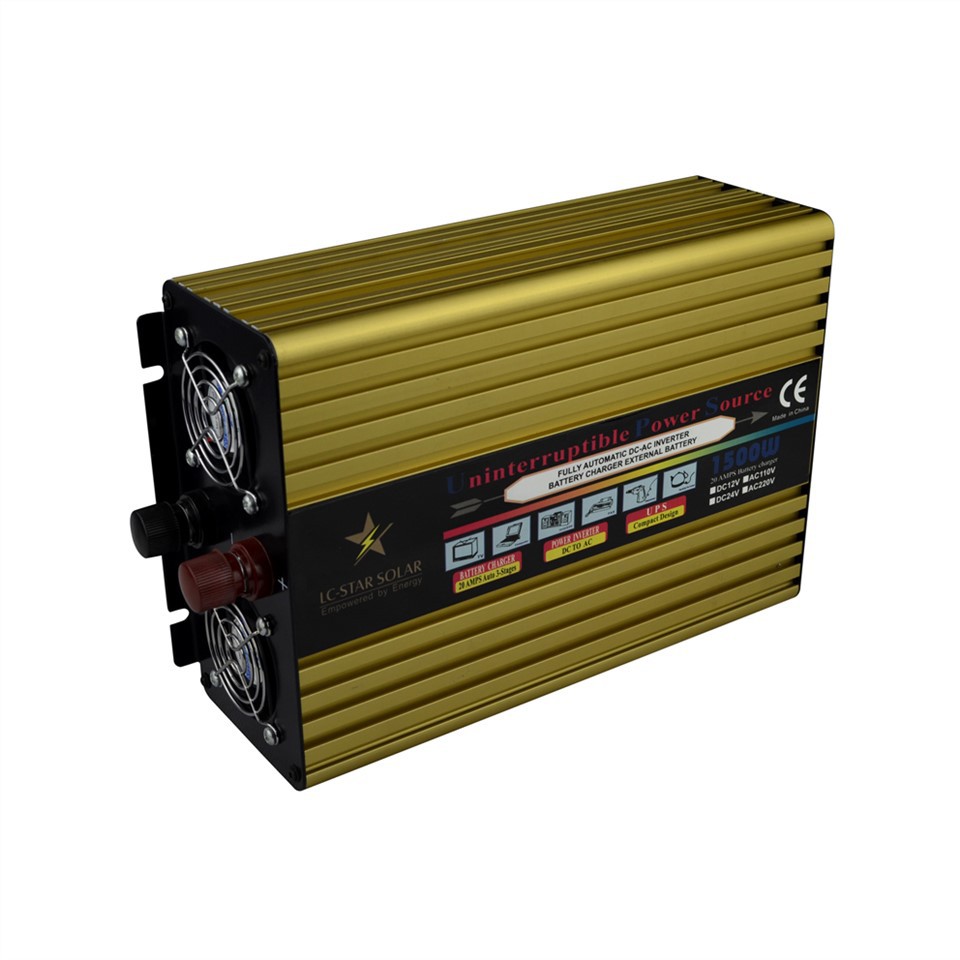
This device boasts of a high conversion efficiency of 90%, ensuring that a lot of the input energy is successfully transformed into usable output power. With a rated output power of 700W, it is capable of providing reliable and consistent performance in real-world applications. It comes equipped with several protective features such as thermal protection, overload protection, over-voltage protection, under-voltage protection, low voltage protection alarm, short circuit protection, and surge power protection. These features ensure that the device remains safe and operational at all times, preventing damage to connected devices and the device itself.
Hot Tags: Ups battery
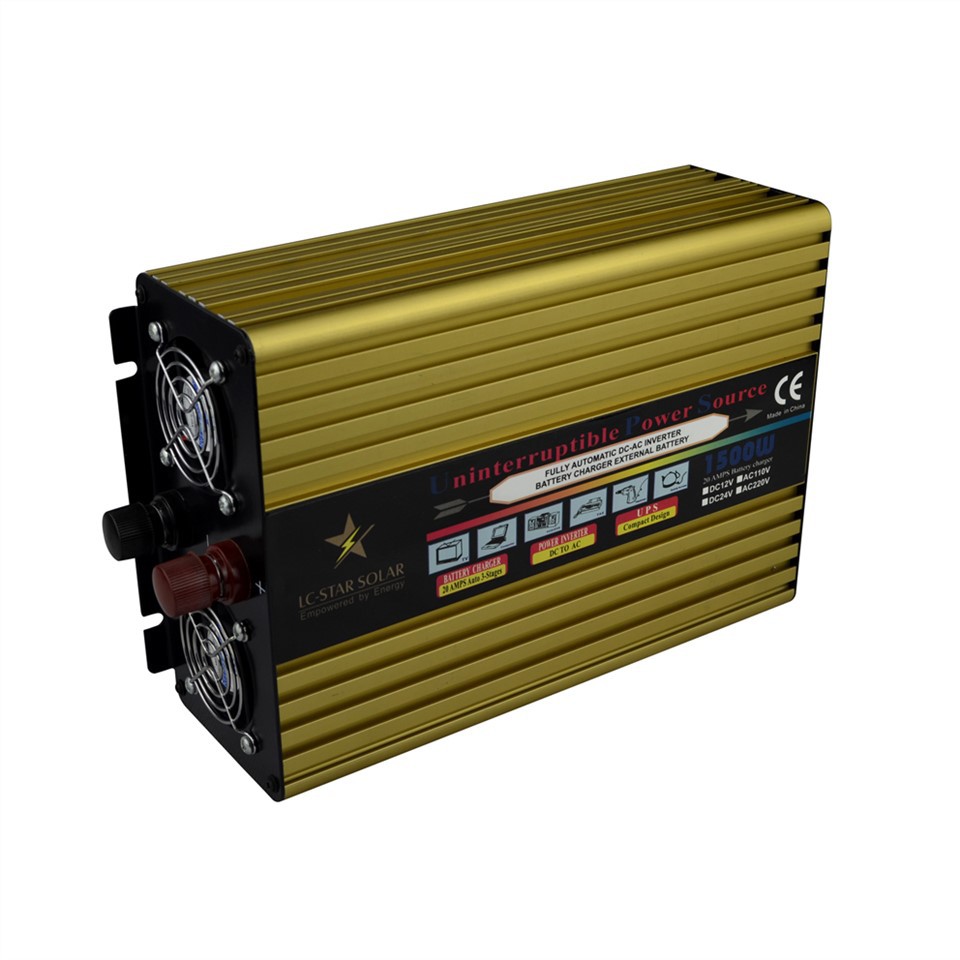
Reliable backup power refers to the equipment that can provide continuous and reliable power supply when the main power source fails, which can ensure the normal operation of the equipment or system at the critical moment, and avoid the business interruption or data loss due to power interruption. Reliable backup power usually includes batteries, generators, UPS (uninterruptible power supply), solar panels and other types of equipment that can be automatically switched to the backup power supply in the event of a normal power failure or blackout to ensure the continuous operation of critical equipment or systems. In addition, a reliable backup power supply should also have fully automatic voltage stabilization to ensure that power fluctuations or sudden power outages can still provide continuous, reliable power support to maintain data security and business continuity.

Pure Sine Wave Inverter Manufacturer
A high-quality power inverter brand uses quality materials such as copper, aluminum, and the latest technology to ensure stable and full AC output. This ensures a smoother and more efficient running of household appliances, and even high-end electronic devices. These inverters come with features such as surge protection, short circuit protection, overheat protection, and reverse polarity protection, making them reliable and safe to use. Moreover, a good power inverter brand offers various wattage options and designs, catering to the diverse needs of users. Whether you seek a portable inverter for camping trips or a home inverter for daily use, a reputable brand will deliver quality products that last long and provide optimal output.
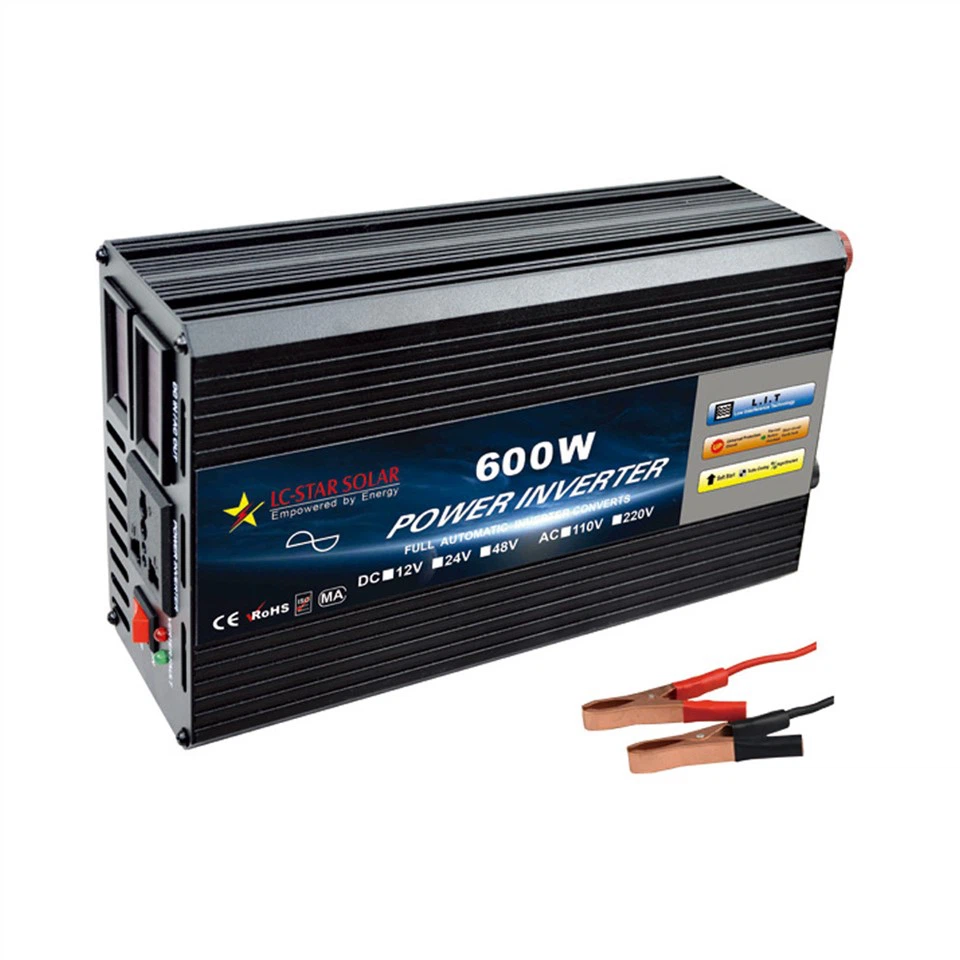
High Efficiency Pure Sine Wave Inverter
High efficiency pure sine wave inverter is a kind of power conversion device which converts direct current into alternating current, and it accomplishes the inversion task through the conduction and shutdown of power semiconductor devices in accordance with a specific law to produce the output of pure sine wave. The advantages of this type of inverter are its high efficiency and the assurance of stability and safety of electrical equipment. Pure sine wave inverters are more efficient in the smooth operation of electronic equipment and appliances, which ensures durability and long life of the equipment. Pure sine wave inverters exhibit superior performance in terms of efficiency and appliance compatibility compared to corrective wave inverters.

A true sinusoidal inverter is a power conversion device that converts DC energy into pure sinusoidal AC energy. It plays an important role in many applications such as solar and wind power generation systems, UPS uninterruptible power supplies, electric vehicle chargers, etc. The output waveform of a sinusoidal inverter is essentially the same as the AC waveform of the utility grid, with the advantage of good output waveforms, low distortion, and even, in some cases, the quality of the AC power provided is higher than the power provided by the grid. This type of inverter realizes an approximately pure sine wave conversion from input to output and from output to input by means of electronic devices, which ensures that the output AC has a shape very close to that of a sine wave .
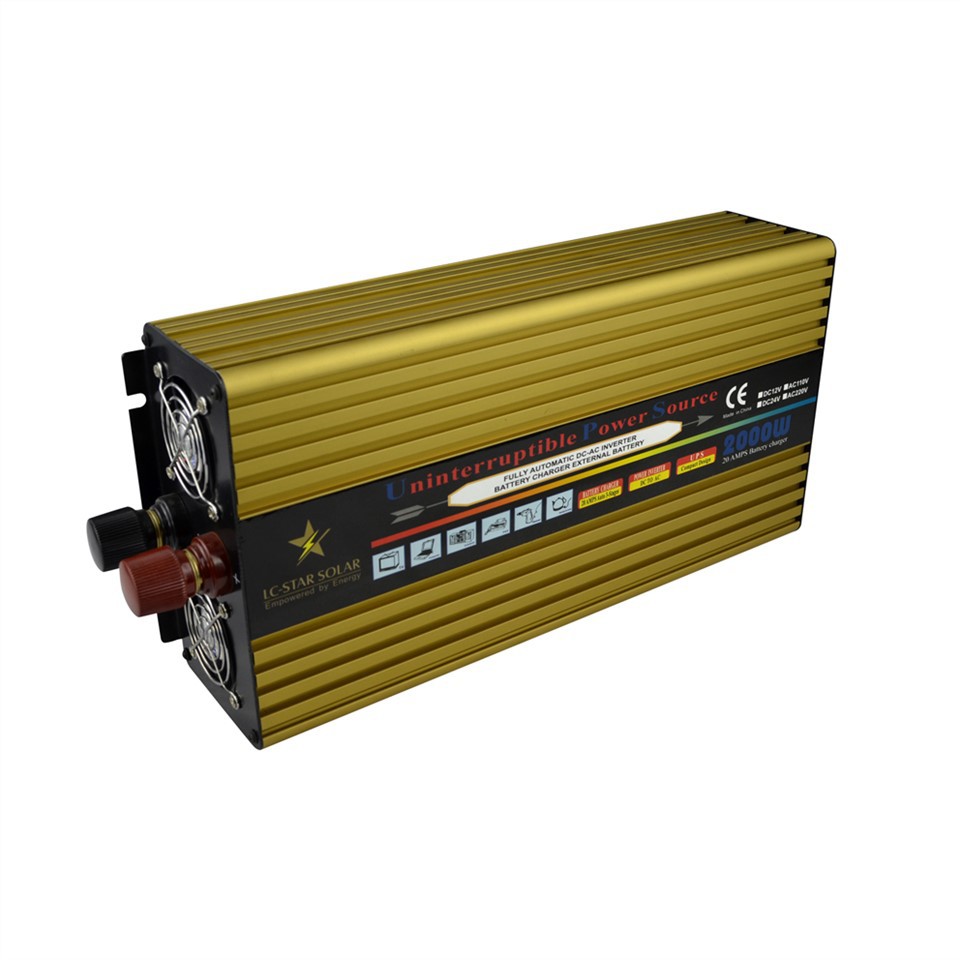
True Sine Wave Uninterruptible Power Supply
A pure sine wave inverter will produce an output waveform that is the same as the AC power waveform. This means that the wave will have a smooth and consistent curve, with no distortions or bumps. This is important because many electronic devices require a smooth and consistent AC power supply in order to operate correctly. A pure sine wave inverter is therefore the ideal choice for powering sensitive electronic equipment, such as laptops, televisions, and medical devices. It is also more efficient than other types of inverters, which may generate excess heat or noise.t

Off Grid Low Frequency Solar Inverter
Off-grid inverter is a device that converts direct current (DC) to alternating current (AC) and is widely used in renewable energy systems such as solar and wind. In solar power systems, off-grid inverters are responsible for converting the DC power generated by solar panels into AC power to meet the power needs of homes, businesses or industrial areas. Low-frequency inverters usually refer to their output AC power at a lower frequency than the common 50Hz or 60Hz utility frequency, but the exact frequency depends on the design of the inverter and the needs of the application.
6000W Frequency Power Inverter
Continuous Output Power: 6000W
12V DC to 220V AC/50HZ
Energy saving and consumption reduction
By precisely controlling the speed of motors, it avoids the waste of energy of traditional constant-speed motors at low loads, and significantly reduces energy consumption. For example, in the air conditioning system and water pump system, the frequency converter automatically adjusts the running speed according to the actual demand, avoiding excessive cooling or excessive water supply, thus saving energy.
Improve production efficiency
Frequency converter can quickly respond to different production needs, realize soft start and soft stop of the motor, reduce the mechanical shock, extend the life of the equipment, and improve the overall production efficiency.
Reduced maintenance costs
Due to the reduction of mechanical wear and tear, the maintenance costs of the inverter system are significantly reduced. At the same time, the intelligent monitoring function can warn potential faults in advance, further saving maintenance time and cost.
Environmental protection and emission reduction
By optimizing the operation of the motor, it reduces power consumption and indirectly reduces carbon dioxide emissions, which is in line with the global green development trend.
Speed adjustment
Inverter can adjust the motor speed according to the actual demand, realizing the motor can run at the best efficiency under different loads.
Centralized control
Most modern inverters have the ability to connect to the Internet or LAN, which can realize centralized control of multiple motors and improve management efficiency.
Soft start function
Inverter can reduce the starting current to about three times of the rated current, realizing the soft start of the motor and reducing the impact on the power grid.
Motor protection
The inverter has perfect motor protection function, which can effectively prevent the occurrence of over-current, over-voltage, under-voltage and overload abnormalities, and ensure the safe and stable operation of the motor.
Enhancement of power factor
The built-in filter capacitor of the inverter helps to reduce the reactive power loss, thus enhancing the power factor and improving the efficiency of power utilization.
Working Principle of Industrial Frequency Inverter
The working principle of industrial inverter is mainly based on frequency conversion technology and microelectronics technology, which controls the power of AC motor by changing the frequency of motor's working power supply. The basic principle consists of converting an industrial frequency AC power source into a DC power source through a rectifier, and then converting the DC power source into an AC power source with controllable frequency and voltage to supply the motor. The inverter mainly consists of a rectifier (which converts AC to DC), a filter, an inverter (which converts DC to AC), a braking unit, a driving unit, a detection unit and a microprocessor unit. The inverter adjusts the voltage and frequency of the output power supply through the opening and closing of the internal IGBT (insulated gate bipolar transistor) to provide the required power supply voltage according to the actual needs of the motor, so as to achieve the purpose of energy saving and speed regulation. In addition, the frequency converter also has a variety of protection functions, such as overcurrent, overvoltage, overload protection, etc. With the improvement of industrial automation, the frequency converter has been widely used.
The working principle of inverter can be divided into two types: AC-DC-AC inverter and AC-AC inverter. The AC-DC inverter consists of a rectifier and an inverter, which regulates the amplitude of the output voltage by controlling the DC voltage, and determines the frequency of the output voltage by controlling the switching frequency of the inverter. The AC-AC inverter, on the other hand, conducts in turn through two sets of converters connected in anti-parallel, and regulates the amplitude and frequency of the output voltage by changing the control angle of the converters. Both types of inverters are capable of realizing the control of AC motors by converting an industrial frequency power supply into an AC power supply of the desired frequency.
Application Areas of Industrial Frequency Inverter
Industrial automation
Frequency converters are widely used in industry to control the speed and output power of motors for automation and optimization of production lines. They can be used in equipment and systems such as fans, pumps, compressors, conveyors, machine tools, and more.

HVAC (Heating, Ventilation and Air Conditioning) systems
Frequency converters are commonly used in HVAC systems to control the speed of fans and pumps for energy saving and precise temperature control.
Transmission and distribution systems
Frequency converters are used in substations and distribution systems to control motor starting and speed regulation for stable power supply and efficient operation.
Elevator and lifting equipment
Frequency converters are commonly used in elevators, lifts, escalators and other electric lifting equipment to achieve smooth operation and precise floor control.
Automotive industry
Frequency inverters are widely used in the automotive manufacturing industry to control the operation of mechanical equipment and assembly lines on the production line.
Agricultural applications
In the agricultural field, frequency converters can be used to control water pumps in irrigation systems to achieve precise irrigation and water saving.
Maintenance of Industrial Frequency Inverter
• Check whether the grid voltage is normal, and make sure that the temperature and humidity of the environment where the inverter is located are within the acceptable range.
• Check whether the temperature of the radiator and the sound of the cooling fan are normal.
• Check whether there is dust accumulation inside the inverter and remove the dust on the circuit board and radiator regularly.
• Check that the safety conditions of the lead wires and motor are not affected by external unfavorable factors.
• Remove dust from the circuit board and heat sink to ensure good heat dissipation.
• Check and replace the cooling fan which is not running continuously but has exceeded the design value.
• Check screws and connectors that may be loose to ensure firm connections.
• Regularly check the status of the power module, electrolytic capacitors and other key components of the inverter, and replace the aging parts in time.
• For inverters used in harsh environments, attention should be paid to anticorrosion treatment, such as the use of anticorrosive agents, improve ventilation conditions.
• Check the software settings and parameters of the inverter to ensure their correctness and reasonableness.
• Record the running data of the frequency converter, including output frequency, current, voltage, etc., so as to analyze the hidden trouble.
• When performing maintenance and repair, make sure the power supply of the inverter is disconnected and wait for the internal capacitor to finish discharging to avoid the danger of electric shock.
• Ensure that the cable between the motor and the inverter is disconnected when performing insulation tests on the motor using an insulation resistance meter.
Our Factory
The originator of Longchi technology has rooted in the field of solar energy as early as in 1990s. Longchi factory was founded in 2011, occupies 56667 square meter and is located at the center of the Yangtze River Delta-Huzhou,Zhejiang.
Longchi is the forerunner of off-grid solar energy system and home energy storage solutions in China, aiming to improve the energy supply situation especially in rural areas. With strong R&D, reliable quality, and strict supply chain management, Longchi products have been testified for peak performance and long life. The concepts of "integrity, excellency, and mutual-benefit" enable Longchi to establish a long-term partnership with distributors from more than 50 countries. The annual sales volume amounts to 530 million.
Our proactive efforts, innovative spirits and refined services drive "Longchi" to be an outstanding brand. With decades of accumulation, Longchi is excel at tackling complex challenges and delivering high-quality solutions to help our partners achieve a resplendent future.

Certificate


FAQ
Q: What is industrial frequency inverter?
Q: What is the working principle of industrial frequency inverter?
Q: What are the main components of industrial frequency inverter?
Q: How does industrial frequency inverter adjust the motor speed?
Q: What are the common fault types of industrial frequency inverters?
Q: What usually causes the overcurrent fault of industrial frequency inverters?
Q: How to deal with the overcurrent fault of industrial frequency inverters?
Q: What is the cause of the overvoltage fault of industrial frequency inverters?
Q: How to deal with the overheating fault of industrial frequency inverters?
Q: How to deal with the phase loss fault of industrial frequency inverters?
Q: How to handle the undervoltage fault of industrial frequency inverter?
Q: What is the cause of the overheating fault of industrial frequency inverter?
Q: How to handle the overvoltage fault of industrial frequency inverter?
Q: How to debug the industrial frequency inverter?
Q: What is the cause of the undervoltage fault of industrial frequency inverter?
Q: How to perform routine maintenance on industrial frequency inverters?
Q: How to select industrial frequency inverters?
Q: How to install industrial frequency inverters?
Q: What is the cause of the phase failure of industrial frequency inverters?
Q: In which industries are industrial frequency inverters widely used?
Hot Tags: industrial frequency inverter, China industrial frequency inverter manufacturers, suppliers, factory, inverter for appliances, inverter for security systems, inverter for heating


