




How do I dispose of an old UPS Battery Backup?
 Dec 05, 2025|
 Disposing of an old UPS (Uninterruptible Power Supply) battery backup is a crucial topic that concerns not only environmental protection but also safety and compliance with regulations. As a supplier of UPS Battery Backup, I understand the importance of guiding our customers through the proper disposal process. In this blog, I will share comprehensive information on how to dispose of an old UPS battery backup safely and responsibly.
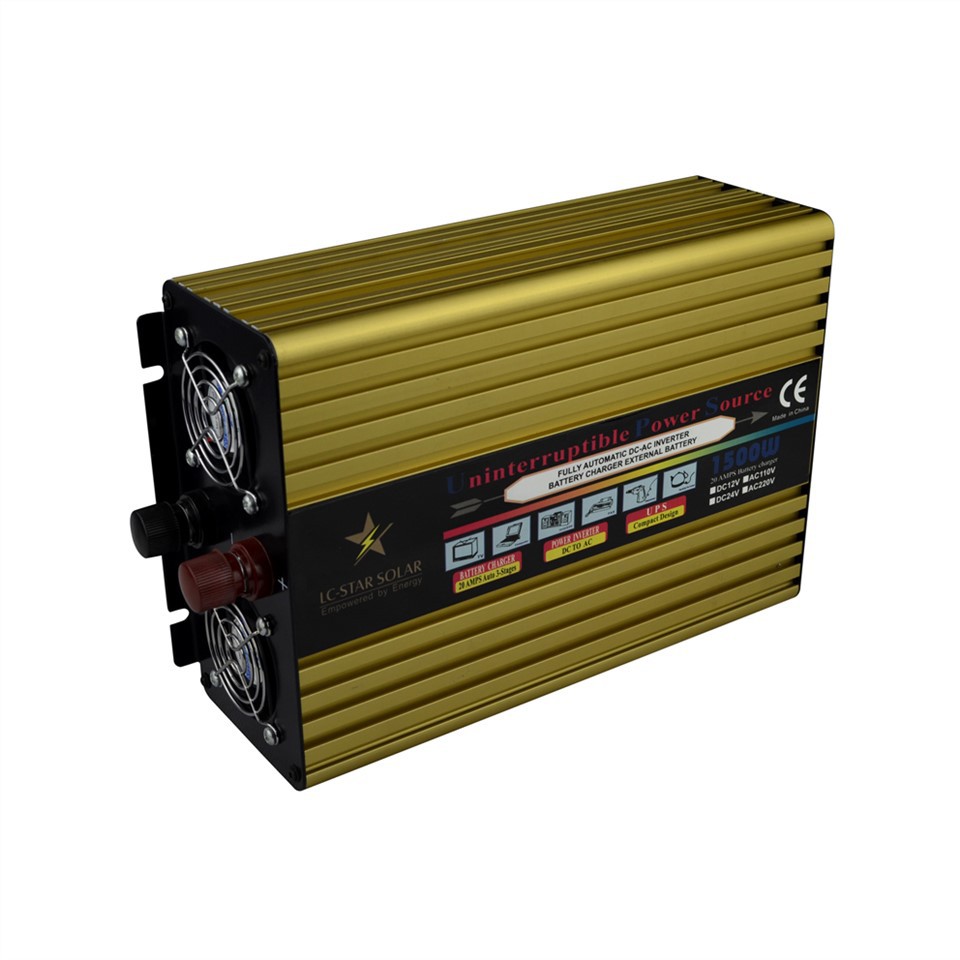

Understanding the Components of a UPS Battery Backup
Before delving into the disposal methods, it's essential to understand what a UPS battery backup consists of. A typical UPS battery backup comprises a battery, usually a lead - acid battery, and an electronic circuit. The battery stores electrical energy, which can be used to power connected devices during a power outage. The electronic circuit manages the charging and discharging of the battery and regulates the power output to the connected devices.
Lead - acid batteries are commonly used in UPS systems due to their relatively low cost, high energy density, and ability to provide a large amount of power quickly. However, they contain lead and sulfuric acid, which are hazardous materials. If not disposed of properly, these substances can contaminate the environment, including soil, water, and air, and pose significant health risks to humans and wildlife.
Why Proper Disposal Matters
Proper disposal of old UPS battery backups is of utmost importance for several reasons. Firstly, from an environmental perspective, lead and sulfuric acid can leach into the soil and groundwater, causing long - term damage to ecosystems. Lead is a heavy metal that can accumulate in the body over time, leading to various health problems such as neurological disorders, kidney damage, and developmental issues in children. Sulfuric acid is a corrosive substance that can cause severe burns and damage to living tissues and infrastructure.
Secondly, improper disposal can also lead to legal issues. Many countries and regions have strict regulations regarding the disposal of hazardous waste, including lead - acid batteries. Violating these regulations can result in hefty fines and legal penalties. As a responsible UPS Battery Backup supplier, we encourage our customers to follow the proper disposal procedures to avoid any legal complications.
Disposal Methods
Recycling
Recycling is the most environmentally friendly and preferred method of disposing of old UPS battery backups. Recycling facilities can recover valuable materials such as lead, plastic, and sulfuric acid from the batteries and reuse them in the production of new batteries or other products.
- Find a Certified Recycling Facility: Start by researching local recycling facilities that accept lead - acid batteries. You can check with your local government's environmental department or waste management agency for a list of certified recyclers. Many hardware stores and automotive shops also offer battery recycling services.
- Prepare the Battery for Recycling: Before taking the battery to the recycling facility, make sure to clean it and remove any attached cables or accessories. If the battery is leaking or damaged, take extra precautions to prevent the spillage of acid. You can use a baking soda solution to neutralize any spilled acid.
- Transport the Battery Safely: When transporting the battery, place it in a sturdy, leak - proof container to prevent any spills during transit. Make sure the container is properly labeled as a hazardous material.
Recycling not only helps to conserve natural resources but also reduces the environmental impact of battery production. By recycling lead - acid batteries, we can significantly reduce the amount of lead and other hazardous materials that end up in landfills.
Return to the Manufacturer
Some UPS battery backup manufacturers offer a battery return program. Under this program, customers can return their old batteries to the manufacturer for proper disposal or recycling. This is a convenient option as the manufacturer has the expertise and facilities to handle the batteries safely.
- Check the Manufacturer's Policy: Contact the manufacturer of your UPS battery backup to inquire about their battery return program. They will provide you with instructions on how to package and ship the battery back to them.
- Follow the Return Procedure: Make sure to follow the manufacturer's return procedure carefully. This may include filling out a return form, providing proof of purchase, and using the specified packaging materials.
Returning the battery to the manufacturer ensures that it is disposed of in accordance with the highest environmental and safety standards.
Donation
If your UPS battery backup is still in working condition, you may consider donating it to a local charity, community center, or school. Many organizations can benefit from having a reliable backup power source, especially during power outages.
- Inspect the Battery: Before donating the battery, have it inspected by a professional to ensure that it is still functioning properly. Check the battery's charge level and performance to make sure it can provide adequate backup power.
- Find a Suitable Donation Recipient: Look for local organizations that could use a UPS battery backup. You can contact charities, community centers, schools, or non - profit organizations to see if they are interested in receiving your donation.
Donating a working UPS battery backup is a great way to extend its useful life and help others in need.
Safety Precautions
When handling old UPS battery backups, it's important to take the following safety precautions:
- Wear Protective Gear: Always wear gloves, safety glasses, and a protective apron when handling batteries. This will protect you from contact with lead and sulfuric acid, which can cause skin irritation, burns, and other health problems.
- Work in a Well - Ventilated Area: Sulfuric acid can release harmful fumes, especially when the battery is damaged or leaking. Make sure to work in a well - ventilated area to avoid inhaling these fumes.
- Avoid Short - Circuits: Do not allow the battery terminals to come into contact with metal objects, as this can cause a short - circuit and lead to sparks or even an explosion.
Conclusion
Disposing of an old UPS battery backup requires careful consideration and adherence to proper procedures. As a supplier of UPS Battery Backup, we are committed to promoting responsible disposal practices. Whether you choose to recycle, return the battery to the manufacturer, or donate it, make sure to prioritize safety and environmental protection.
If you have any questions about UPS battery backup disposal or are interested in purchasing a new Reliable Backup Power solution, feel free to reach out. We are here to assist you with all your emergency power supply needs. Our team of experts can provide you with detailed information and guidance on choosing the right Emergency Power Supply for your specific requirements. Contact us today to start a discussion about your power backup needs.
References
- U.S. Environmental Protection Agency. (n.d.). Battery Recycling. Retrieved from [Website]
- International Lead Association. (n.d.). Lead - Acid Battery Recycling. Retrieved from [Website]
- Battery Council International. (n.d.). Battery Recycling Information. Retrieved from [Website]