




How do I troubleshoot common problems with household energy storage systems?
 Oct 17, 2025|
 Hey there! As a supplier of Household Energy Storage Systems, I've seen my fair share of common problems that customers run into. In this blog, I'm gonna share some tips on how to troubleshoot these issues.
1. Low Energy Storage Capacity
One of the most common problems with household energy storage systems is a lower - than - expected energy storage capacity. This can be really frustrating, especially if you're relying on your system to power your home during outages or off - peak hours.
First off, check the battery. Over time, batteries degrade, and their capacity decreases. If your battery is old, it might be time for a replacement. You can refer to the user manual of your Household Energy Storage System to see the expected lifespan of the battery.
Another thing to look at is the charging system. A faulty charger can prevent the battery from being fully charged. Make sure all the connections are tight and there are no signs of damage to the charging cables. Sometimes, a simple loose connection can cause the battery not to charge properly.
Also, check if there are any power - hungry devices that are constantly draining the stored energy. For example, if you have a large refrigerator or an air conditioner running all the time, it can quickly deplete the stored energy. Try to manage your energy consumption better by turning off non - essential devices when not in use.
2. Inverter Issues
The inverter is a crucial part of the household energy storage system as it converts the DC power stored in the battery into AC power that can be used in your home. If you're experiencing problems like no power output or inconsistent power supply, the inverter might be the culprit.
Start by checking the inverter's display (if it has one). Many modern inverters have built - in diagnostic systems that can show error codes. Look up these error codes in the inverter's manual to get an idea of what the problem might be.
Check the ventilation of the inverter. Inverters generate heat during operation, and if they overheat, they can malfunction. Make sure there is enough space around the inverter for proper air circulation. Remove any obstructions that might be blocking the vents.
If the inverter still isn't working after checking these things, it could be a more serious internal issue. In this case, it's best to contact a professional technician. You can also reach out to us as a supplier, and we can guide you through the process or arrange for a repair service.
3. Battery Overheating
Battery overheating is a serious problem that can not only reduce the battery's lifespan but also pose a safety risk. There are several reasons why a battery might overheat.
First, check the charging rate. If the battery is being charged too quickly, it can generate excessive heat. Some chargers allow you to adjust the charging rate. Try reducing the charging rate to see if it helps with the overheating problem.
The ambient temperature also plays a big role. If the battery is installed in a hot environment, it will be more likely to overheat. Consider moving the battery to a cooler location if possible. You can also install a ventilation system or a cooling fan near the battery to keep it at a lower temperature.
Inspect the battery for any signs of physical damage. A damaged battery cell can cause uneven charging and discharging, leading to overheating. If you notice any bulges, leaks, or other visible damage, stop using the battery immediately and replace it.
4. Communication Problems
In many modern household energy storage systems, there are communication interfaces that allow you to monitor and control the system via a smartphone app or a web portal. If you're having trouble connecting to the system or getting accurate data, here's what you can do.
Check your Wi - Fi or network connection. Make sure your device (smartphone or computer) is connected to the same network as the energy storage system. Sometimes, a simple network outage or a weak signal can prevent communication.
Restart both your device and the energy storage system. This can often resolve minor software glitches. First, turn off the energy storage system, wait for a few minutes, and then turn it back on. Do the same for your device.
If the problem persists, check if there are any software updates available for the energy storage system. Manufacturers often release updates to fix bugs and improve the communication functionality. You can usually find the update instructions in the user manual or on the manufacturer's website.
5. Battery Self - Discharge
Battery self - discharge is when the battery loses its charge over time even when it's not being used. This can be a problem, especially if you're relying on the stored energy for emergencies.
Check the age of the battery. Older batteries tend to have a higher self - discharge rate. If your battery is approaching the end of its expected lifespan, it might be time to replace it.
Look for any parasitic loads in the system. Parasitic loads are small electrical currents that continue to flow even when the system is supposed to be in standby mode. These can be caused by things like internal sensors or standby circuits in the inverter. Try to identify and eliminate these parasitic loads if possible.
Store the battery in a cool and dry place. Higher temperatures can increase the self - discharge rate. If you're not using the energy storage system for an extended period, make sure to store the battery in an environment with a stable temperature.
6. Compatibility Issues
Sometimes, you might face compatibility issues when integrating the household energy storage system with your existing solar panels or other energy - generating sources.
If you're using a Battery Storage for Home Solar Systems, make sure the voltage and power ratings of the battery and the solar panels are compatible. If they're not, the system might not work efficiently or might not work at all.
Check the wiring between the different components. Incorrect wiring can cause compatibility problems. Make sure all the positive and negative connections are correct and that the wiring is sized appropriately for the power flow.
If you're having trouble with compatibility, don't hesitate to contact us. We have a team of experts who can help you determine if there are any compatibility issues and provide solutions to fix them.
7. Monitoring System Malfunctions
The monitoring system is important as it allows you to keep track of the energy storage system's performance, battery level, and other important parameters. If the monitoring system isn't working properly, you might not be able to manage your energy usage effectively.
Check the sensors in the monitoring system. These sensors are responsible for collecting data from the different components of the energy storage system. Make sure they are clean and properly installed. Sometimes, dirt or a loose connection can cause the sensors to malfunction.
Reset the monitoring system. Many monitoring systems have a reset button or a way to perform a factory reset. Try resetting the system to see if it resolves the problem.
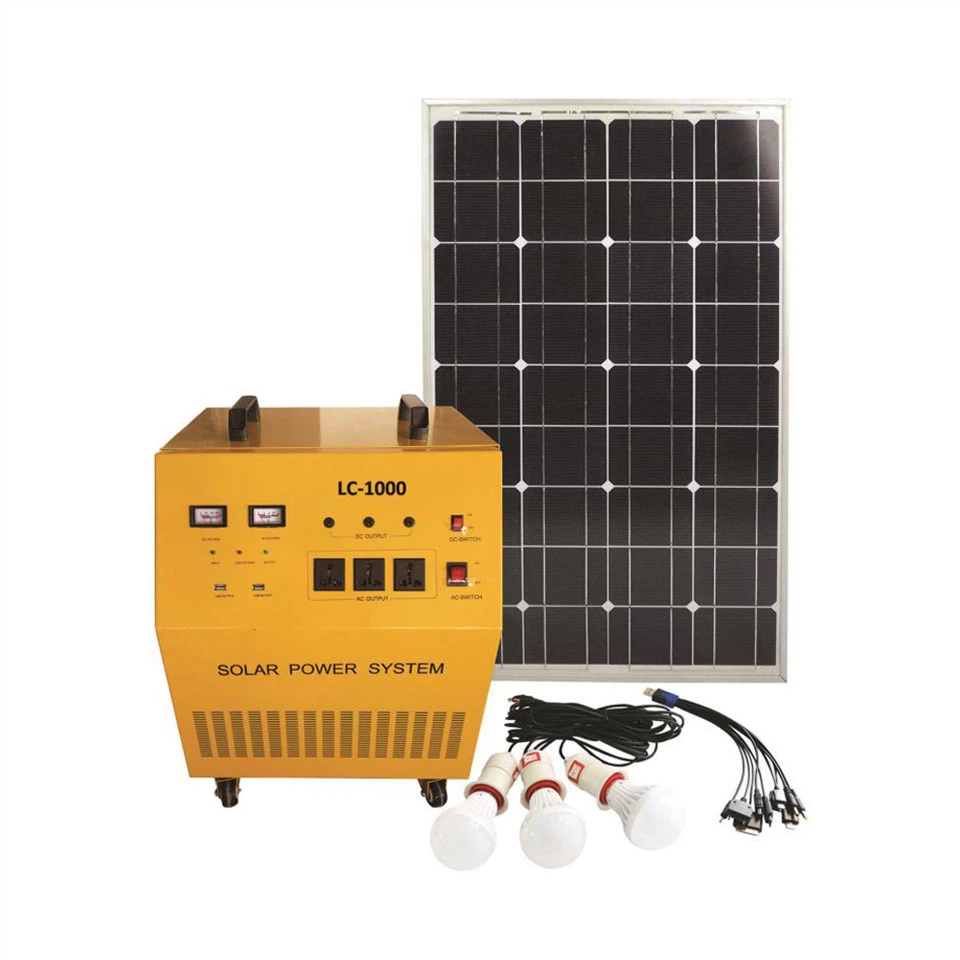

If the problem persists, it could be a software issue. Check if there are any software updates available for the monitoring system. Installing the latest updates can often fix bugs and improve the system's performance.
Conclusion
Troubleshooting common problems with household energy storage systems can seem daunting at first, but by following these steps, you can often identify and fix the issues on your own. However, if you're still having trouble or if you're unsure about any step, don't hesitate to reach out to us.
As a leading supplier of Solar System For Home With Battery, we have the expertise and resources to help you with any problems you might encounter. Whether it's providing technical support, arranging for repairs, or helping you choose the right components for your system, we're here for you.
If you're interested in purchasing a household energy storage system or need more information about our products, feel free to contact us. We're always happy to have a chat and discuss how we can meet your energy storage needs.
References
- Manufacturer's manuals of household energy storage systems
- Industry - related technical guides on energy storage and power electronics