




How does a home solar storage system affect the grid stability?
 Dec 25, 2025|
 Hey there, solar enthusiasts! I'm a supplier of Home Solar Storage Systems, and today I wanna talk about how these amazing systems affect grid stability.
Let's start with the basics. A home solar storage system, like the Solar Storage System for Home, consists of solar panels, a battery storage unit, and an inverter. The solar panels soak up sunlight and convert it into electricity. The battery storage unit, such as the Home Battery Energy Storage System, stores this electricity for later use. And the inverter turns the stored DC electricity into AC electricity that can be used in your home.
Now, how does this setup impact grid stability? Well, one of the biggest challenges for the grid is dealing with the fluctuating supply of electricity. Solar power is intermittent - the sun doesn't shine 24/7. During the day, when the sun is out in full force, solar panels can produce a whole lot more electricity than a home actually needs. Without a storage system, this excess electricity would just be sent back to the grid.
But here's the thing: when a large number of homes with solar panels send excess power back to the grid all at once, it can cause an overload. This sudden influx of electricity can lead to voltage spikes and frequency fluctuations, which are bad news for grid stability. That's where home solar storage systems come in handy.
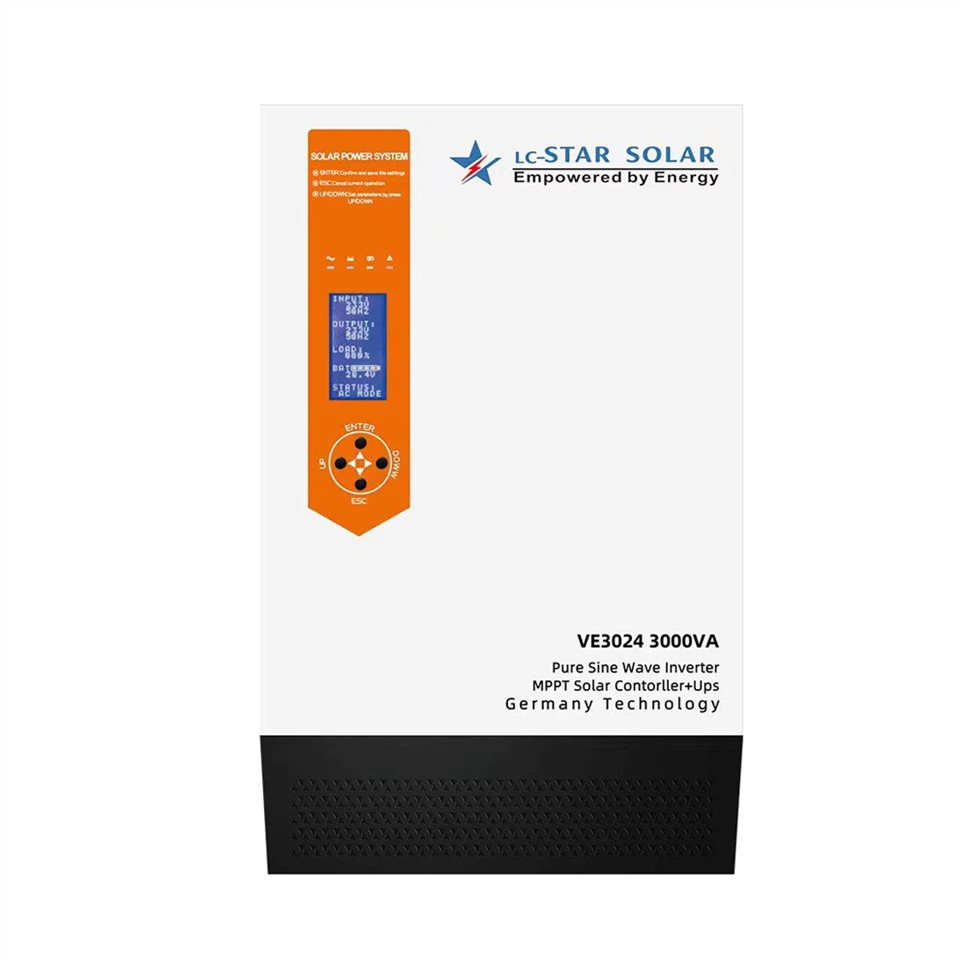

With a Home Battery for Solar System, homeowners can store that excess electricity instead of sending it straight back to the grid. This helps to smooth out the flow of electricity and reduces the chances of overloading the grid during peak solar production times. It's like having a buffer that absorbs the extra energy and releases it when it's needed.
On the flip side, during periods of low solar production, like at night or on cloudy days, homes with solar storage systems can draw on the stored electricity instead of relying solely on the grid. This reduces the demand on the grid during these times, which is also beneficial for grid stability. It's kind of like taking some pressure off the grid during its "busy" hours.
Another way home solar storage systems contribute to grid stability is through something called "peak shaving." Peak demand is the time when electricity usage is at its highest, usually in the evenings when people get home from work and start using appliances. The grid has to be built to handle these peak loads, which can be very expensive.
Homeowners with solar storage systems can use the stored electricity during peak demand periods, which reduces the overall demand on the grid. This means the grid doesn't have to work as hard to meet the peak loads, and it can operate more efficiently. It's a win - win situation for both the grid operators and the homeowners.
Moreover, home solar storage systems can also provide backup power during grid outages. When the power goes out, these systems can keep essential appliances running in the home. This not only provides peace of mind for the homeowners but also reduces the strain on the grid during the restoration process. Since fewer homes are relying on the grid for power during an outage, the grid operators can focus on restoring power to the areas that need it most.
However, it's not all sunshine and rainbows. There are also some challenges associated with integrating home solar storage systems into the grid. One of the main issues is the lack of standardization. Different manufacturers have different battery chemistries, control systems, and communication protocols. This can make it difficult for grid operators to manage and coordinate these systems effectively.
Another challenge is the cost. Home solar storage systems can be quite expensive, which can limit the number of homeowners who are willing or able to invest in them. Without a large - scale adoption of these systems, their impact on grid stability may be limited.
But despite these challenges, the future looks bright for home solar storage systems and grid stability. As technology continues to improve, the cost of these systems is likely to come down, making them more accessible to a wider range of homeowners. And with better standardization and communication between the systems and the grid, we can expect to see even greater benefits in terms of grid stability.
If you're interested in learning more about our Home Solar Storage Systems or are thinking about making a purchase, we'd love to talk to you. Whether you're a homeowner looking to reduce your electricity bills and contribute to a more stable grid or a business interested in a larger - scale solution, we've got you covered. Just get in touch with us, and we can have a detailed discussion about your specific needs and how our systems can work for you.
References
- "Solar Energy Storage: Technologies and Applications" by various authors in a research collection
- Industry reports from the International Renewable Energy Agency on distributed energy storage
- "Grid - Connected Photovoltaic Systems: Design and Analysis" for insights on solar - grid integration