




How does a solar storage system for home work with time - of - use electricity rates?
 Aug 25, 2025|
 As a supplier of Solar Storage System for Home, I've witnessed firsthand the growing interest in solar storage systems for homes, especially when it comes to optimizing energy use with time-of-use electricity rates. In this blog post, I'll explain how these systems work in tandem with time-of-use rates to help homeowners save money and use energy more efficiently.
Understanding Time-of-Use Electricity Rates
Time-of-use (TOU) electricity rates are a pricing structure where the cost of electricity varies depending on the time of day. Typically, there are three main periods: peak, off-peak, and shoulder. Peak hours are when the demand for electricity is highest, usually during the late afternoon and early evening. During these times, the cost per kilowatt-hour (kWh) is significantly higher. Off-peak hours, on the other hand, are when the demand is lowest, often during the late night and early morning, and the rates are much lower. Shoulder hours fall between peak and off-peak, with moderate rates.
The goal of TOU rates is to encourage consumers to shift their electricity usage to off-peak hours, thereby reducing the strain on the power grid during peak times. By doing so, utility companies can manage their resources more effectively and potentially avoid building additional power plants.
How a Home Solar Storage System Works
A Solar System For Home With Battery consists of several key components: solar panels, a battery storage system, an inverter, and a charge controller. Here's a breakdown of how each part functions:
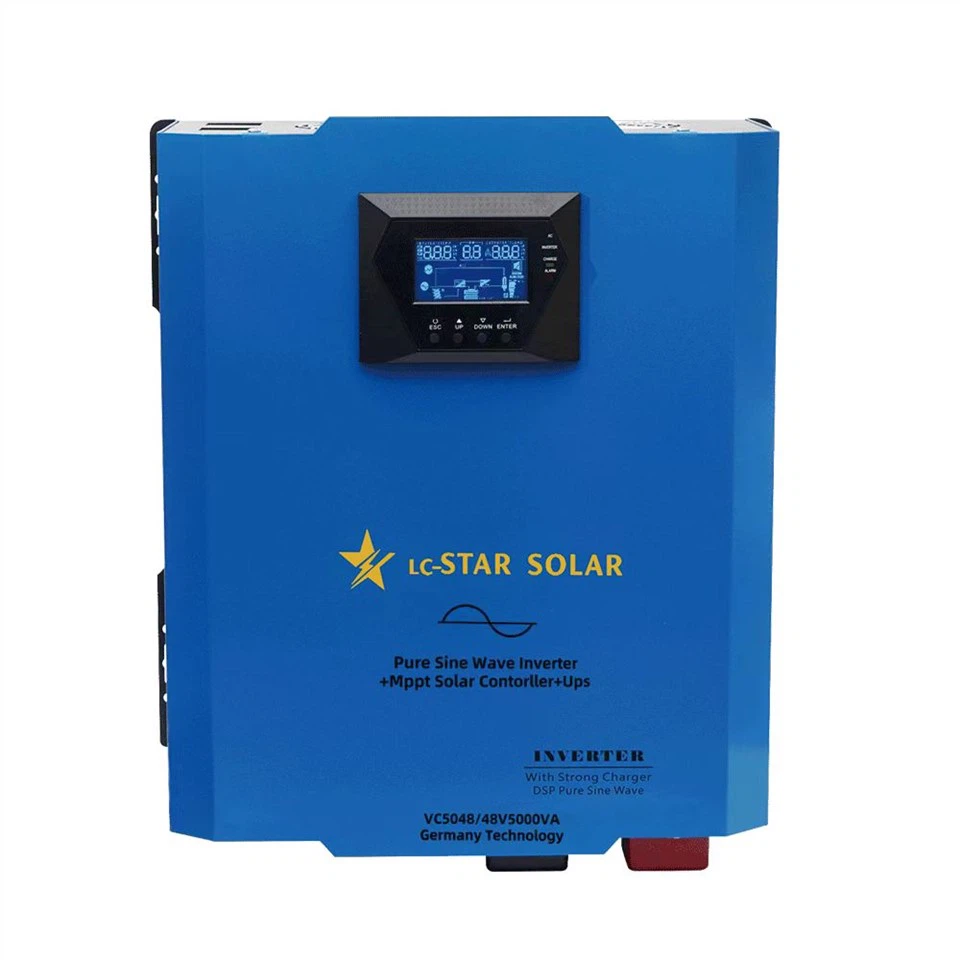
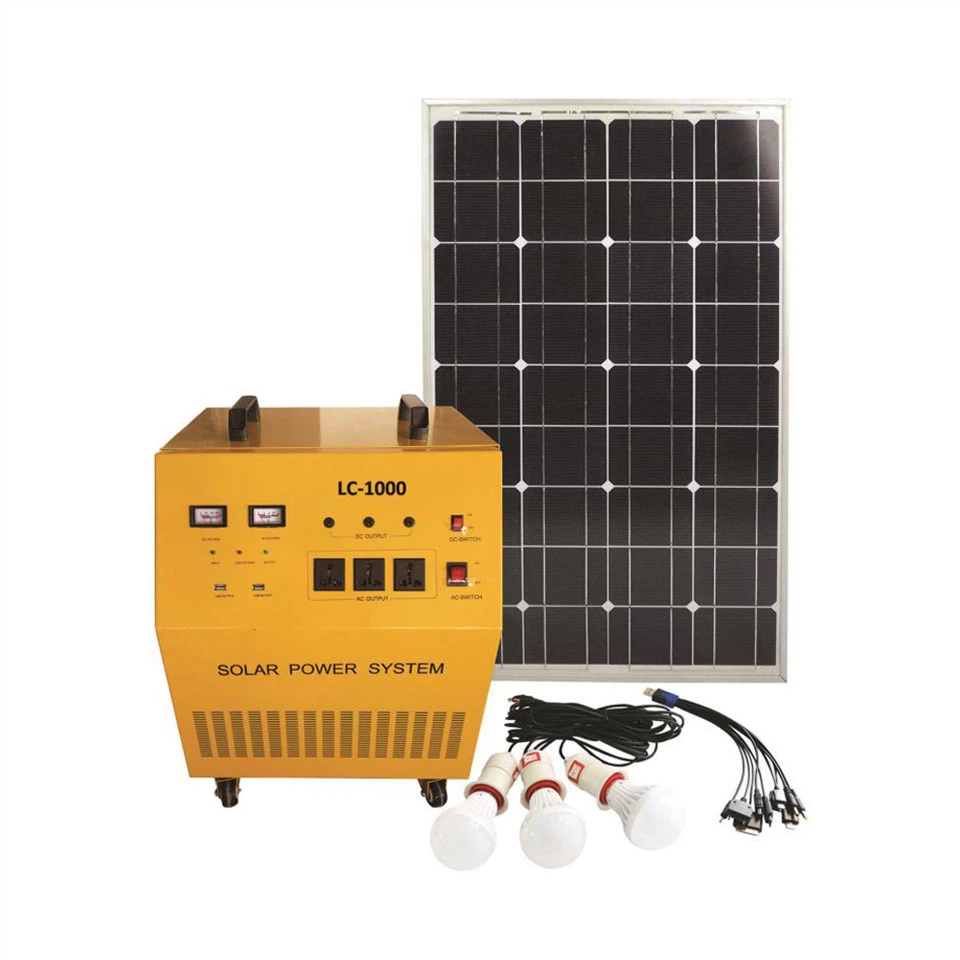
- Solar Panels: These are the primary energy collectors. They convert sunlight into direct current (DC) electricity through the photovoltaic effect. The amount of electricity generated depends on factors such as the size and efficiency of the panels, the amount of sunlight they receive, and the orientation and tilt of the installation.
- Battery Storage System: Once the solar panels generate electricity, it can either be used immediately or stored in the battery for later use. The battery stores the excess energy produced during the day, allowing homeowners to use it when the sun isn't shining or when electricity rates are high.
- Inverter: Since most household appliances run on alternating current (AC) electricity, the inverter converts the DC electricity from the solar panels and battery into AC electricity that can be used in the home.
- Charge Controller: This device regulates the flow of electricity between the solar panels, battery, and inverter. It ensures that the battery is charged properly and prevents overcharging or discharging, which can damage the battery.
Integrating Solar Storage with Time-of-Use Rates
Now that we understand how time-of-use rates and home solar storage systems work, let's explore how they can be integrated to maximize savings.
Charging the Battery During Off-Peak Hours
One strategy is to charge the battery during off-peak hours when electricity rates are low. If your solar panels aren't producing enough energy to fully charge the battery, you can draw power from the grid at the lower off-peak rate. This way, you're essentially "buying" electricity when it's cheap and storing it for later use.
For example, let's say your utility company offers off-peak rates from midnight to 6 a.m. You can set your solar storage system to charge the battery during this time. When peak hours arrive later in the day, you can use the stored energy from the battery instead of drawing power from the grid at the higher rate.
Using Stored Energy During Peak Hours
Another approach is to rely on the stored energy in the battery during peak hours. When electricity rates are at their highest, your home can run on the energy stored in the battery, reducing your reliance on the grid and saving you money.
For instance, during the late afternoon and early evening when the sun may not be shining as brightly and electricity rates are peaking, your solar storage system can automatically switch to using the stored energy. This not only helps you avoid the high peak rates but also reduces the overall demand on the grid during these critical times.
Selling Excess Energy Back to the Grid
In some cases, your solar panels may produce more energy than your home and battery can use. When this happens, you can sell the excess energy back to the grid through a process called net metering. Depending on your utility company's policies, you may receive credits on your electricity bill for the excess energy you contribute.
This can be especially beneficial when combined with time-of-use rates. If you generate excess energy during peak hours when electricity rates are high, you can sell it back to the grid at a premium. This effectively allows you to earn money from your solar energy system while also helping to balance the grid.
Benefits of Using a Home Solar Storage System with Time-of-Use Rates
There are several advantages to using a Home Solar Storage System in conjunction with time-of-use electricity rates:
- Cost Savings: By shifting your electricity usage to off-peak hours and using stored energy during peak hours, you can significantly reduce your electricity bills. Over time, these savings can add up, making the investment in a solar storage system well worth it.
- Energy Independence: With a solar storage system, you're less reliant on the grid for your electricity needs. This provides greater energy security, especially during power outages or emergencies. You can continue to power essential appliances and devices using the stored energy in your battery.
- Environmental Sustainability: Solar energy is a clean, renewable source of power. By using a solar storage system, you're reducing your carbon footprint and contributing to a more sustainable future. Additionally, by reducing the demand on the grid during peak hours, you're helping to conserve energy and reduce the need for fossil fuel-based power generation.
- Grid Support: By participating in time-of-use rate programs and using a solar storage system, you're helping to alleviate the strain on the power grid. This can lead to a more stable and reliable electricity supply for everyone.
Considerations for Homeowners
Before investing in a home solar storage system, there are a few things homeowners should consider:
- Battery Capacity: The size of the battery storage system you need depends on your energy consumption, the amount of sunlight your location receives, and your goals for energy savings. A larger battery can store more energy, but it also comes with a higher cost.
- System Compatibility: Make sure the solar storage system you choose is compatible with your existing electrical system and any future upgrades you may plan. It's also important to ensure that the system is compliant with local regulations and safety standards.
- Installation and Maintenance: Proper installation and regular maintenance are crucial for the optimal performance of your solar storage system. It's recommended to hire a professional installer with experience in solar energy systems. Additionally, you'll need to factor in the cost of maintenance and potential battery replacement over the system's lifespan.
- Utility Company Policies: Different utility companies have different time-of-use rate structures and policies regarding net metering and solar storage systems. It's important to understand these policies before making a decision to ensure that you can maximize your savings and take advantage of any available incentives.
Contact Us for a Solar Storage Solution
If you're interested in learning more about how a home solar storage system can work with time-of-use electricity rates to save you money and reduce your environmental impact, we're here to help. As a leading supplier of Solar Storage System for Home, we offer a range of high-quality products and personalized solutions to meet your specific needs.
Our team of experts can assess your energy consumption, location, and utility company policies to recommend the best solar storage system for your home. We'll guide you through the entire process, from installation to maintenance, and ensure that you're getting the most out of your investment.
Don't miss out on the opportunity to take control of your energy usage and save money. Contact us today to schedule a consultation and start your journey towards a more sustainable and cost-effective home energy solution.
References
- "Time-of-Use Electricity Rates: How They Work and How to Save." Energy.gov.
- "Home Solar Energy Systems: How They Work." Solar Energy Industries Association.
- "Battery Energy Storage Systems for Residential Applications." National Renewable Energy Laboratory.