




How does UPS train its delivery drivers?
 Jul 24, 2025|
 Hey there! I'm a supplier for UPS, and over the years, I've had a front - row seat to how UPS trains its delivery drivers. It's a comprehensive process that's designed to ensure the safety of the drivers, the security of the packages, and the satisfaction of the customers. So, let's dive right in and take a look at how UPS gets its drivers on the road and ready to go.
Initial Recruitment and Screening
UPS takes its recruitment process seriously. They don't just hire anyone off the street to drive their trucks. First off, candidates need to have a valid commercial driver's license (CDL). This is a basic requirement, but it's a crucial one. A CDL shows that the driver has the fundamental skills needed to operate a large commercial vehicle.
Beyond the CDL, UPS also looks at a candidate's driving record. They want drivers with a clean slate, free from major traffic violations or accidents. A good driving record is a sign of responsibility and caution on the road, which are essential qualities for a UPS driver.
The company also conducts background checks. This includes criminal background checks to make sure that the drivers they hire are trustworthy and reliable. After all, they'll be handling valuable packages and interacting with customers on a daily basis.
Classroom Training
Once a candidate passes the initial screening, they move on to the classroom training phase. This is where they learn about the company's policies and procedures. They're taught about safety regulations, both at UPS and those set by the government. For example, they learn about hours - of - service rules, which limit the number of hours a driver can be on the road without taking a break. This is to prevent driver fatigue, which is a major cause of accidents.
In the classroom, drivers also learn about package handling. They're taught how to properly lift, carry, and stack packages to avoid injuries. UPS has specific guidelines for this, and following them is crucial for both the driver's safety and the integrity of the packages.
Another important aspect of classroom training is customer service. UPS drivers are the face of the company, and how they interact with customers can make or break the customer's experience. So, drivers are trained on how to be polite, professional, and helpful when dealing with customers. They learn how to handle difficult situations, like missed deliveries or customer complaints, in a calm and effective manner.
Behind - the - Wheel Training
After the classroom training, it's time for the hands - on part: behind - the - wheel training. This is where the real learning happens. New drivers are paired with experienced trainers who take them out on the road. The trainers teach them how to operate the UPS trucks, which are different from regular cars or smaller trucks. They show them how to maneuver the large vehicles in tight spaces, like alleys or residential driveways.
The trainers also teach the new drivers about route planning. UPS uses advanced technology to plan the most efficient routes for its drivers. However, drivers still need to understand how to read maps and GPS systems, and how to make adjustments to their routes if there are road closures or traffic jams.
During behind - the - wheel training, safety is always the top priority. Trainers teach the new drivers about defensive driving techniques. This includes things like maintaining a safe following distance, being aware of their surroundings, and anticipating the actions of other drivers on the road.
Ongoing Training and Development
UPS doesn't just train its drivers once and then forget about them. They believe in ongoing training and development. Drivers are required to attend regular safety meetings and training sessions. These sessions cover topics like new safety regulations, changes in company policies, and updates on the latest technology.
For example, as technology in the transportation industry evolves, UPS drivers need to learn how to use new tools and equipment. This could include new in - truck navigation systems or updated package - tracking devices.
The company also offers training on new delivery methods. For instance, with the rise of e - commerce, there's been an increase in the demand for contactless deliveries. UPS has trained its drivers on how to perform these types of deliveries safely and efficiently.
Safety Incentives and Rewards
UPS has a strong focus on safety, and they use incentives and rewards to encourage their drivers to drive safely. Drivers who have a good safety record are eligible for various rewards. This could include things like bonuses, extra vacation days, or recognition within the company.
These incentives not only motivate the drivers to be safe on the road but also create a culture of safety within the company. When drivers see that their colleagues are being rewarded for safe driving, they're more likely to follow suit.
The Role of Technology in Training
Technology plays a big role in UPS driver training. The company uses simulators to train new drivers. Simulators allow drivers to practice different driving scenarios in a safe and controlled environment. For example, they can practice driving in bad weather conditions or in heavy traffic without actually being on the road.
UPS also uses telematics systems in its trucks. These systems collect data on the driver's behavior, such as speed, braking, and acceleration. Trainers can use this data to identify areas where the driver needs improvement and provide targeted training.
The Impact on Delivery Efficiency
All this training has a significant impact on delivery efficiency. Well - trained drivers are able to navigate their routes more quickly and safely. They know how to handle packages properly, which reduces the risk of damage and delays. And because they're trained in customer service, they can resolve issues with customers on the spot, which leads to higher customer satisfaction.
As a UPS supplier, I've seen firsthand how this comprehensive training process benefits the entire supply chain. When drivers are efficient, packages are delivered on time, and that means I can keep my customers happy too.
The Importance of Backup Power for UPS Operations
In the world of UPS, having reliable backup power is crucial. That's where UPS Battery Backup comes in. In case of a power outage, these battery backups ensure that the company's systems, like package - tracking devices and in - truck communication systems, keep running. This is essential for maintaining the efficiency of the delivery operations.

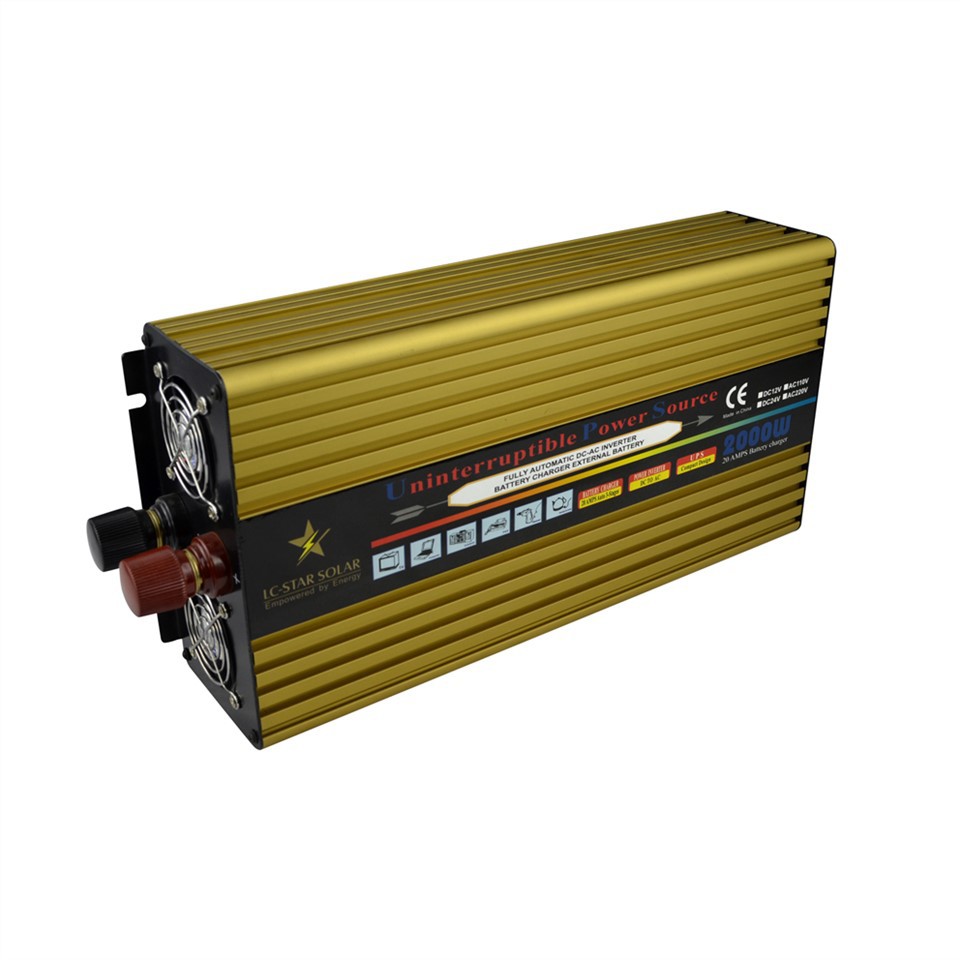
Reliable Backup Power is not just a luxury but a necessity. It allows UPS to continue its operations even when there are power disruptions, which can happen due to various reasons, like storms or equipment failures.
And True Sine Wave Uninterruptible Power Supply provides clean and stable power, which is important for sensitive electronic equipment in the trucks and at the distribution centers.
Conclusion
In conclusion, UPS's driver training process is a well - thought - out and comprehensive system. It starts with careful recruitment and screening, followed by classroom and behind - the - wheel training. Ongoing training and development, safety incentives, and the use of technology all contribute to making UPS drivers some of the best in the business.
If you're interested in learning more about how UPS's training process can benefit your business as a supplier or if you're looking for high - quality backup power solutions like the ones I've mentioned, feel free to reach out for a procurement discussion. We can talk about how we can work together to ensure the smooth operation of your supply chain.
References
- UPS official training materials
- Industry reports on transportation and logistics training
- Interviews with UPS drivers and trainers