




How to protect a car power inverter from short - circuits?
 Oct 13, 2025|
 A car power inverter is a crucial device that converts DC power from a vehicle's battery into AC power, allowing you to use various electronic devices while on the go. However, one of the most significant threats to a car power inverter is a short - circuit. As a car power inverter supplier, I understand the importance of protecting these devices from short - circuits to ensure their longevity and reliable performance. In this blog, I'll share some effective ways to safeguard your car power inverter from short - circuits.
Understanding Short - Circuits in Car Power Inverters
Before delving into protection methods, it's essential to understand what a short - circuit is and how it can occur in a car power inverter. A short - circuit happens when an unintended low - resistance connection is established between two points in an electrical circuit. In the context of a car power inverter, this can be caused by several factors.
One common cause is damaged wiring. Over time, the wires connecting the inverter to the battery or other devices can become frayed, cut, or pinched. This exposes the conductive parts of the wire, increasing the risk of a short - circuit. Another cause is the improper use of electrical devices. Plugging in a device with a faulty internal circuit or one that draws more current than the inverter can handle can also lead to a short - circuit.
Installing Fuses and Circuit Breakers
One of the most basic and effective ways to protect a car power inverter from short - circuits is by installing fuses and circuit breakers. Fuses are designed to break the electrical circuit when the current exceeds a certain level. When a short - circuit occurs, the excessive current causes the fuse to blow, interrupting the flow of electricity and preventing damage to the inverter.
Circuit breakers, on the other hand, serve a similar purpose but can be reset after they trip. They automatically detect an over - current condition, such as a short - circuit, and open the circuit. Once the problem is resolved, the circuit breaker can be manually reset to restore power.
As a supplier, I recommend choosing fuses and circuit breakers with the appropriate ratings for your car power inverter. Using a fuse or circuit breaker with a rating that is too high may not protect the inverter from a short - circuit, while one with a rating that is too low may trip unnecessarily.
Using High - Quality Wiring
The quality of the wiring used in your car power inverter system plays a vital role in preventing short - circuits. Low - quality or damaged wiring can increase the risk of electrical shorts. When selecting wiring for your inverter, look for cables with thick insulation and high - quality conductors.
Insulation helps to prevent the conductive parts of the wire from coming into contact with each other or other metal objects, reducing the risk of a short - circuit. Additionally, high - quality conductors have lower resistance, which means they can carry more current without overheating.
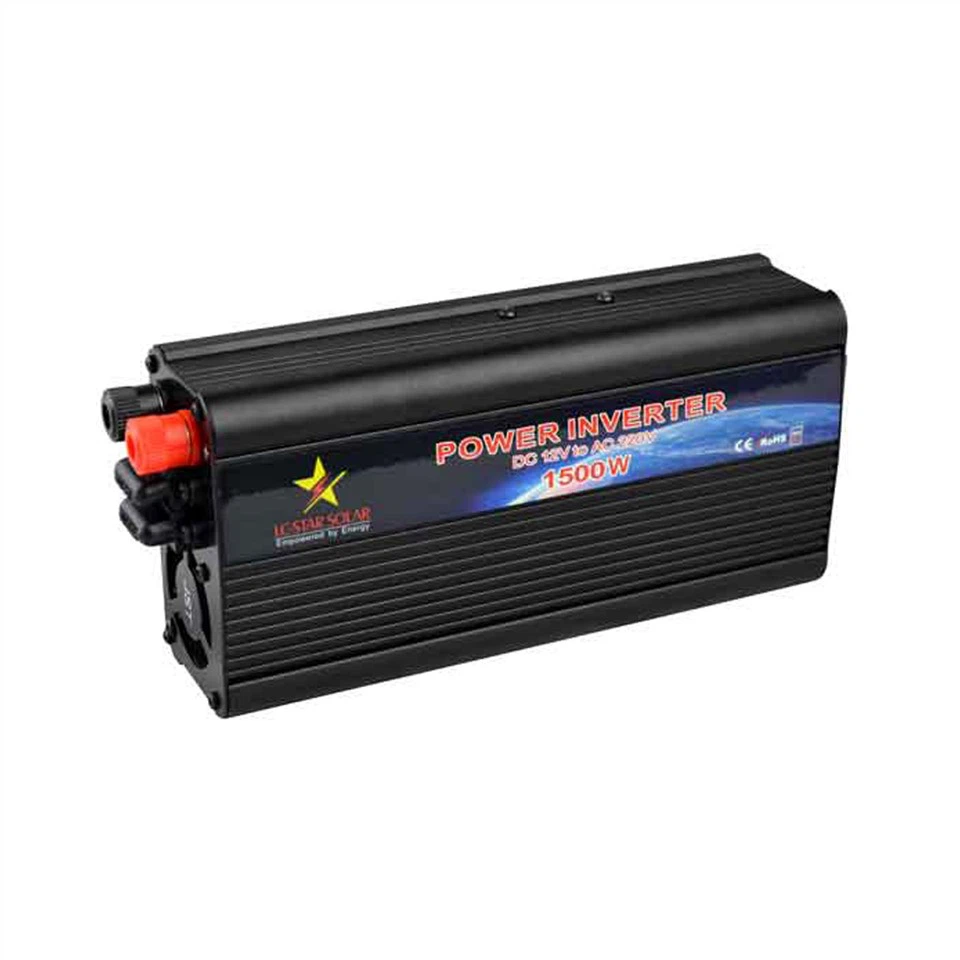
It's also important to ensure that the wiring is properly installed. Make sure all connections are secure and free of corrosion. Loose or corroded connections can cause arcing, which can lead to a short - circuit.
Proper Device Selection and Usage
Another way to protect your car power inverter from short - circuits is by being careful about the devices you connect to it. Always check the power requirements of the devices before plugging them into the inverter. Connecting a device that draws more power than the inverter can supply can cause the inverter to overheat and potentially lead to a short - circuit.
For example, if you have a 5000W Car Power Inverter, make sure that the total power consumption of all the devices connected to it does not exceed 5000 watts. It's also a good idea to avoid connecting devices with known electrical problems to the inverter.
Regular Maintenance and Inspections
Regular maintenance and inspections are crucial for preventing short - circuits in your car power inverter. Periodically check the wiring, fuses, and circuit breakers for signs of damage or wear. Look for frayed wires, loose connections, or blown fuses.
Inspect the inverter itself for any signs of overheating, such as a burning smell or discolored components. If you notice any issues, address them immediately. For example, if you find a blown fuse, replace it with a new one of the same rating. If you detect a damaged wire, replace it with a new, high - quality cable.
Shielding and Enclosures
Using proper shielding and enclosures can also help protect your car power inverter from short - circuits. A well - designed enclosure can prevent dust, moisture, and debris from entering the inverter, which can cause electrical shorts.
Shielding can also protect the inverter from electromagnetic interference (EMI), which can disrupt the normal operation of the inverter and potentially lead to a short - circuit. As a supplier, I offer car power inverters with robust enclosures and shielding to provide an extra layer of protection.
Grounding
Proper grounding is essential for the safe operation of a car power inverter and can help prevent short - circuits. Grounding provides a path for electrical current to flow safely to the ground in the event of a short - circuit.
Make sure that the inverter is properly grounded to the vehicle's chassis. A good ground connection helps to dissipate any excess electrical charge and reduces the risk of electrical shock and short - circuits.
Training and Education
Finally, educating users about the proper use and maintenance of car power inverters is crucial. Many short - circuits are caused by user error, such as improper installation or overloading the inverter.
As a supplier, I provide training materials and resources to help users understand how to safely operate and maintain their car power inverters. By ensuring that users are well - informed, we can reduce the risk of short - circuits and other electrical problems.
Conclusion
Protecting a car power inverter from short - circuits is essential for its reliable performance and longevity. By installing fuses and circuit breakers, using high - quality wiring, carefully selecting and using devices, performing regular maintenance and inspections, using shielding and enclosures, grounding properly, and providing training and education, you can significantly reduce the risk of short - circuits.
If you're in the market for a high - quality car power inverter or need more information on how to protect your existing inverter from short - circuits, feel free to contact us for procurement and further discussions. Our team of experts is always ready to assist you in finding the best solutions for your needs.
References
- "Electrical Safety Handbook" by National Fire Protection Association.
- "Automotive Electrical Systems" by William H. Crouse and Donald L. Anglin.
- Manufacturer's manuals for car power inverters.