




What are the components of a solar storage system for home?
 Sep 05, 2025|
 Hey there! As a supplier of Solar Storage System for Home, I'm super excited to share with you all the ins and outs of what makes up these amazing systems. So, let's dive right in and break down the components of a home solar storage system.
Solar Panels
First off, we've got the solar panels. These are like the workhorses of the whole system. They're the ones that soak up the sun's energy and turn it into electricity. There are different types of solar panels out there, like monocrystalline and polycrystalline. Monocrystalline panels are usually more efficient and take up less space, but they can be a bit pricier. Polycrystalline panels, on the other hand, are more budget - friendly but not quite as efficient.
When you're choosing solar panels for your home, you've gotta think about a few things. How much sunlight your area gets is a biggie. If you live in a sunny place, you might not need as many panels to generate the same amount of power as someone in a cloudier area. Also, consider the available space on your roof or in your yard. You want to make sure you have enough room to install the panels you need.
Charge Controller
Next up is the charge controller. This little guy is crucial because it regulates the flow of electricity from the solar panels to the batteries. Without a charge controller, the batteries could get overcharged, which would shorten their lifespan. It also prevents the batteries from discharging back into the solar panels at night.
There are two main types of charge controllers: PWM (Pulse Width Modulation) and MPPT (Maximum Power Point Tracking). PWM controllers are simpler and cheaper, but they're not as efficient as MPPT controllers. MPPT controllers can extract more power from the solar panels, especially in low - light conditions. So, if you want to get the most out of your solar panels, an MPPT charge controller is a great choice.
Batteries
The batteries are where the magic happens when it comes to storing the energy generated by the solar panels. There are several types of batteries used in home solar storage systems, such as lead - acid batteries, lithium - ion batteries, and flow batteries.
Lead - acid batteries are the oldest and most well - known type. They're relatively inexpensive, but they have a shorter lifespan and need more maintenance. Lithium - ion batteries, on the other hand, are more expensive upfront but last longer, are more efficient, and require less maintenance. They're also lighter and can be charged and discharged more times. Flow batteries are a newer technology. They have a long lifespan and can store a large amount of energy, but they're currently more expensive and less common.
When choosing batteries for your home solar storage system, think about how much energy you need to store. If you want to power your whole house during a power outage, you'll need a larger battery bank. Also, consider the depth of discharge. Some batteries can be discharged more deeply than others without damaging them.
Inverter
The inverter is another key component. Solar panels produce DC (Direct Current) electricity, but most of the appliances in our homes run on AC (Alternating Current). That's where the inverter comes in. It converts the DC electricity stored in the batteries into AC electricity that you can use to power your lights, TV, fridge, and other devices.
There are two main types of inverters: pure sine wave inverters and modified sine wave inverters. Pure sine wave inverters produce a smooth, clean AC power that's just like the power you get from the grid. They're more expensive but are better for sensitive electronics like computers and medical equipment. Modified sine wave inverters are cheaper but produce a less perfect AC power, which might not be suitable for all appliances.
Monitoring System
A monitoring system is a great addition to your home solar storage system. It allows you to keep track of how much energy your solar panels are generating, how much energy is being stored in the batteries, and how much energy you're using. You can usually access the monitoring system through a smartphone app or a web - based platform.

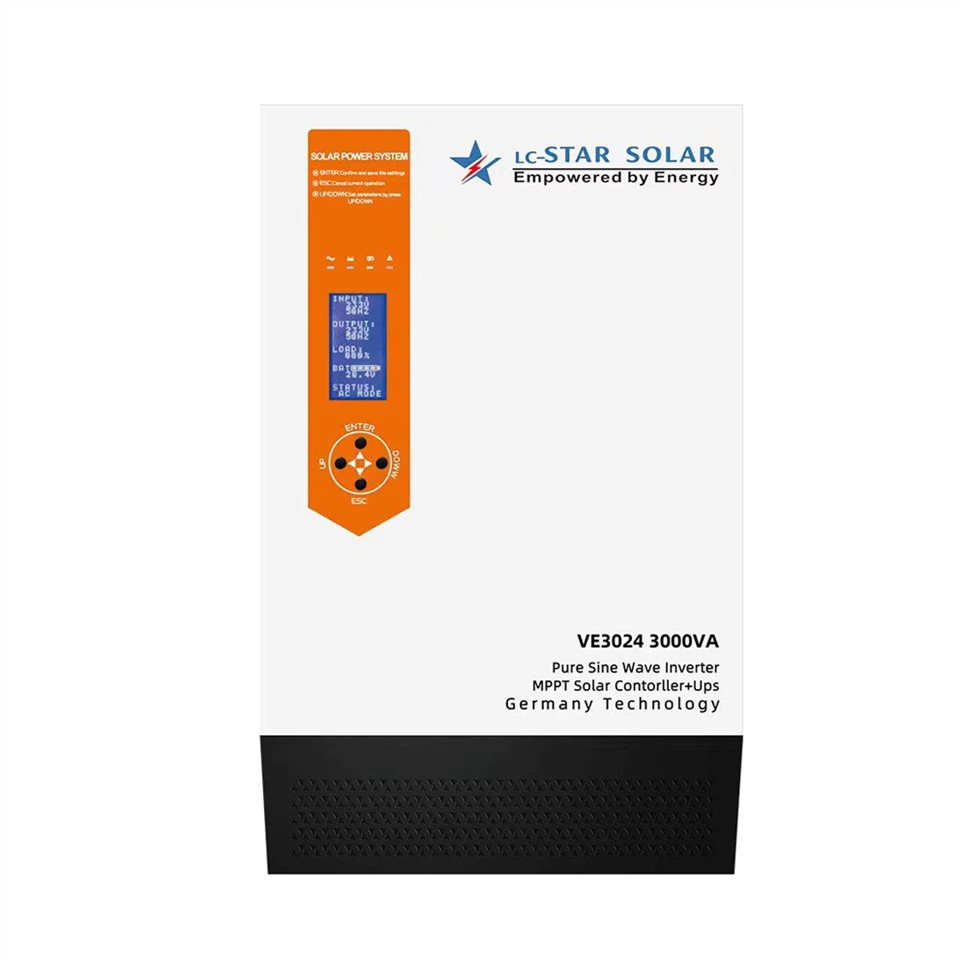
With a monitoring system, you can see when your solar panels are producing the most energy and adjust your energy usage accordingly. For example, you might run your dishwasher or washing machine during the sunniest part of the day to make the most of the free solar energy.
Backup Generator (Optional)
Some homeowners also choose to include a backup generator in their solar storage system. A backup generator can provide additional power during extended periods of cloudy weather or when the battery bank is low. It can be powered by gasoline, diesel, propane, or natural gas.
While a backup generator can be a great safety net, it's important to remember that it produces emissions and requires fuel. So, it's not as environmentally friendly as solar power. But it can give you peace of mind knowing that you'll have power even in the most challenging conditions.
Benefits of a Home Solar Storage System
Now that we've covered the components, let's talk about why you might want to invest in a home solar storage system. First of all, it can save you money on your electricity bills. By generating your own electricity and storing it, you can use less power from the grid. Over time, the savings can really add up.
It also provides Emergency Power Supply during power outages. You won't have to worry about sitting in the dark or losing food in your fridge. Your home can stay powered up and comfortable, even when the grid goes down.
Another great benefit is that it's good for the environment. Solar power is a clean, renewable energy source. By using a home solar storage system, you're reducing your carbon footprint and helping to combat climate change.
Contact Us for Your Home Solar Storage System
If you're interested in getting a Home Solar Energy Storage System or a Home Battery Energy Storage System for your home, we're here to help. We've got a wide range of high - quality components and can customize a system to meet your specific needs. Whether you're looking for a small system to power a few appliances or a large system to run your whole house, we've got you covered.
Don't hesitate to reach out to us to discuss your options and get a quote. We're always happy to answer any questions you might have and help you make the best decision for your home and your budget.
References
- "Solar Power for Dummies" by Rik DeGunther
- "Home Energy Storage Systems: A Comprehensive Guide" by Energy Storage Association
- Various industry reports and research papers on solar energy and home storage systems.