




What are the fire safety considerations for a household energy storage system?
 Sep 05, 2025|
When it comes to setting up a household energy storage system, fire safety is a top concern. As a supplier of Household Energy Storage Systems, I've seen firsthand how important it is to take precautions. In this blog, I'll share some key fire safety considerations for your home energy storage setup.
Understanding the Risks
First off, let's talk about why there are fire risks in the first place. Most household energy storage systems use lithium - ion batteries. These batteries are great because they have a high energy density, which means they can store a lot of energy in a relatively small space. But they also come with some risks. Lithium - ion batteries can overheat, and if they do, it can lead to a thermal runaway. That's a situation where the battery gets so hot that it starts a self - sustaining reaction, which can cause a fire or even an explosion.
There are several things that can cause a lithium - ion battery to overheat. For example, if the battery is damaged during installation or use, it can short - circuit. A short - circuit can cause a large amount of current to flow through the battery, generating a lot of heat. Also, if the battery is charged or discharged too quickly, it can overheat. This is why it's crucial to use a proper battery management system (BMS).
The Role of the Battery Management System (BMS)
A BMS is like the brain of your household energy storage system. It monitors the battery's temperature, voltage, and current. If it detects that the battery is getting too hot or if there's an abnormal current flow, it can take action to prevent a fire. For example, it can stop the charging or discharging process, or it can activate a cooling system.
When choosing a household energy storage system, make sure it has a reliable BMS. Look for systems that have been tested and certified to meet safety standards. You can check the product documentation or ask the manufacturer for more information. A good BMS can significantly reduce the risk of a fire in your energy storage system.
Installation and Placement
Where you install your household energy storage system is also very important for fire safety. First of all, the installation should be done by a professional. They have the knowledge and experience to ensure that the system is installed correctly, which reduces the risk of damage to the batteries.
The location of the system matters too. It should be installed in a well - ventilated area. Good ventilation helps to dissipate heat, preventing the batteries from overheating. Avoid installing the system in a confined space or near sources of heat, like a furnace or a water heater.
Also, make sure the system is installed on a stable surface. If it's not properly secured, it could fall or get knocked over, which could damage the batteries and increase the risk of a fire.
Maintenance and Monitoring
Regular maintenance is key to keeping your household energy storage system safe. You should inspect the system periodically for any signs of damage, such as cracks in the battery casing or loose connections. If you notice any problems, contact a professional immediately.
Monitoring the system's performance is also important. Many modern energy storage systems come with monitoring software that allows you to keep an eye on the battery's status. You can check the temperature, voltage, and other parameters in real - time. If you see any abnormal readings, it could be a sign of a problem, and you should take action right away.
Fire Suppression Systems
It's a good idea to have a fire suppression system in place for your household energy storage system. There are different types of fire suppression systems available, such as sprinklers and gas - based systems. Sprinklers can be effective in extinguishing a fire, but they can also damage the batteries. Gas - based systems, on the other hand, can suppress a fire without causing as much damage to the equipment.
When choosing a fire suppression system, consider the size and type of your energy storage system. You may need to consult with a fire safety expert to determine the best option for your home.
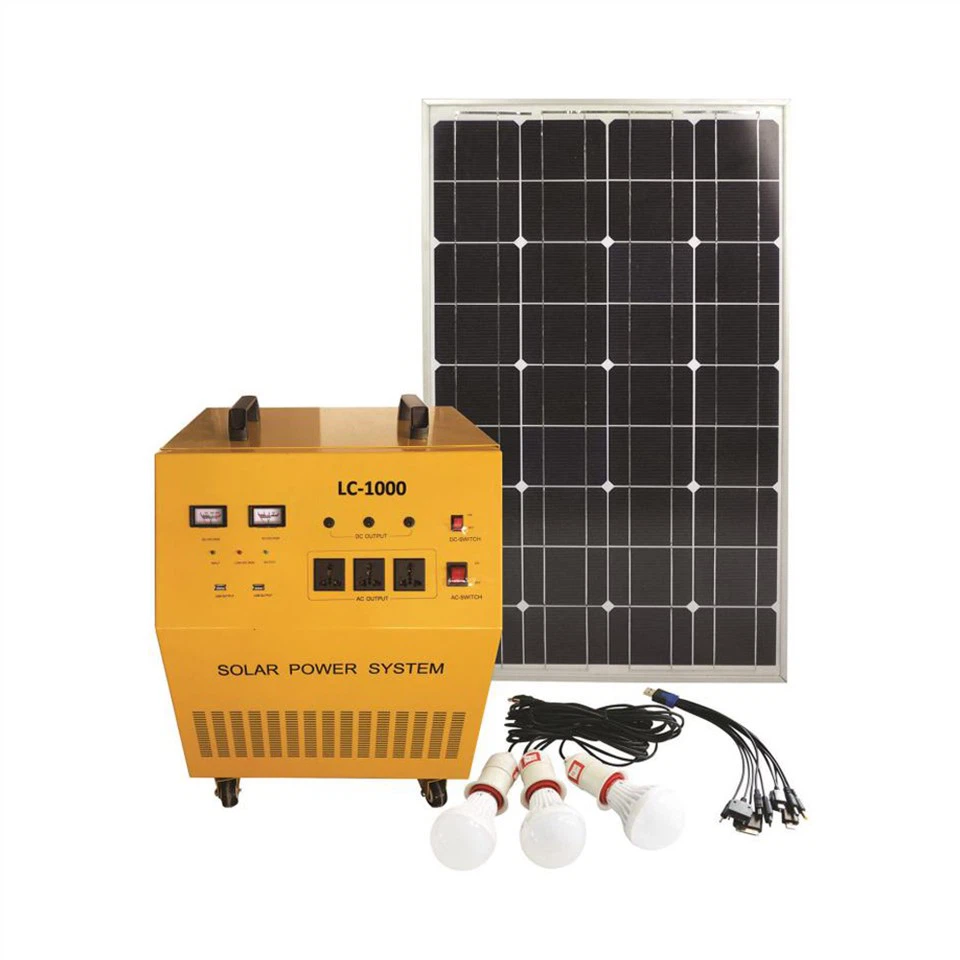

Compatibility with Other Home Systems
Your household energy storage system may be connected to other home systems, such as a Home Battery Energy Storage System or a Solar System For Home With Battery. It's important to ensure that all these systems are compatible with each other.
Incompatible systems can cause electrical problems, which can lead to overheating and fires. For example, if the charging rate of the energy storage system is not compatible with the output of the solar panels, it can cause the batteries to overcharge. Make sure to choose systems that are designed to work together, and have them installed and configured by a professional.
Emergency Response Plan
Even with all the safety measures in place, it's still important to have an emergency response plan. In case of a fire, you should know what to do. Make sure all members of your household are aware of the plan.
The plan should include how to turn off the energy storage system in case of an emergency. This can help prevent the fire from spreading and reduce the risk of electrical shock. You should also know the location of the nearest fire extinguisher and how to use it.
Regulatory Compliance
There are regulations and standards in place for household energy storage systems. These regulations are designed to ensure the safety of the systems. When choosing a system, make sure it complies with all relevant regulations.
Manufacturers are required to test their products to meet these standards. Look for systems that have been certified by recognized testing organizations. Compliance with regulations not only ensures your safety but also gives you peace of mind.
Conclusion
Fire safety is a critical aspect of having a household energy storage system. By understanding the risks, using a reliable BMS, installing the system correctly, performing regular maintenance, having a fire suppression system, ensuring compatibility with other home systems, having an emergency response plan, and complying with regulations, you can significantly reduce the risk of a fire.
If you're considering purchasing a Home Battery System for Solar or any other household energy storage system, don't hesitate to reach out. We're here to help you choose the right system for your needs and ensure that it's installed and maintained safely. Contact us today to start the procurement process and make your home energy - efficient and safe.
References
- "Lithium - Ion Battery Safety: A Review." Journal of Power Sources.
- National Fire Protection Association (NFPA) standards for energy storage systems.
- Manufacturer's documentation for household energy storage systems.