




What are the disadvantages of a household energy storage system?
 Aug 01, 2025|
 Hey there! I'm a supplier of Household Energy Storage Systems. You might think these systems are all sunshine and rainbows, but like any technology, they've got their fair share of drawbacks. In this blog, I'm gonna break down some of the disadvantages of a household energy storage system.
High Initial Investment
One of the biggest hurdles for most homeowners is the upfront cost. Buying and installing a Home Solar Storage System isn't cheap. You've got to shell out for the battery itself, the inverter, and all the necessary wiring and installation. Plus, if you want a system that can store enough energy to power your whole home during an outage or when the sun isn't shining, you're looking at an even heftier price tag.
For example, a decent-sized Home Battery Energy Storage System can cost anywhere from a few thousand dollars to over ten grand. That's a significant chunk of change for most families. And let's not forget about the ongoing maintenance costs. Batteries don't last forever, and eventually, you'll need to replace them. This adds to the long - term expense of having a household energy storage system.
Limited Storage Capacity
Another drawback is the limited storage capacity. No matter how big your battery is, there's only so much energy it can hold. If you have a large household with high energy demands, or if you experience a long - lasting power outage, your battery might not be able to keep up.
Let's say you've got a Home Battery for Solar System that can store 10 kWh of energy. That might be enough to power a few lights, a refrigerator, and a small TV for a few hours. But if you want to run your air conditioner, electric heater, or other high - power appliances, you're gonna drain that battery pretty quickly.
Moreover, the storage capacity can be affected by factors like temperature. Batteries tend to perform worse in extreme heat or cold. So, if you live in an area with harsh weather conditions, you might find that your battery doesn't hold as much energy as it's supposed to.
Environmental Impact
While household energy storage systems are often seen as a green alternative, they're not entirely without an environmental footprint. The production of batteries involves the mining of raw materials like lithium, cobalt, and nickel. These mining operations can have a significant impact on the environment, including deforestation, water pollution, and soil degradation.
In addition, when it's time to dispose of or recycle the batteries, there are challenges. Batteries contain toxic chemicals, and improper disposal can lead to environmental contamination. Although there are recycling programs in place, the process is still complex and energy - intensive.
Compatibility Issues
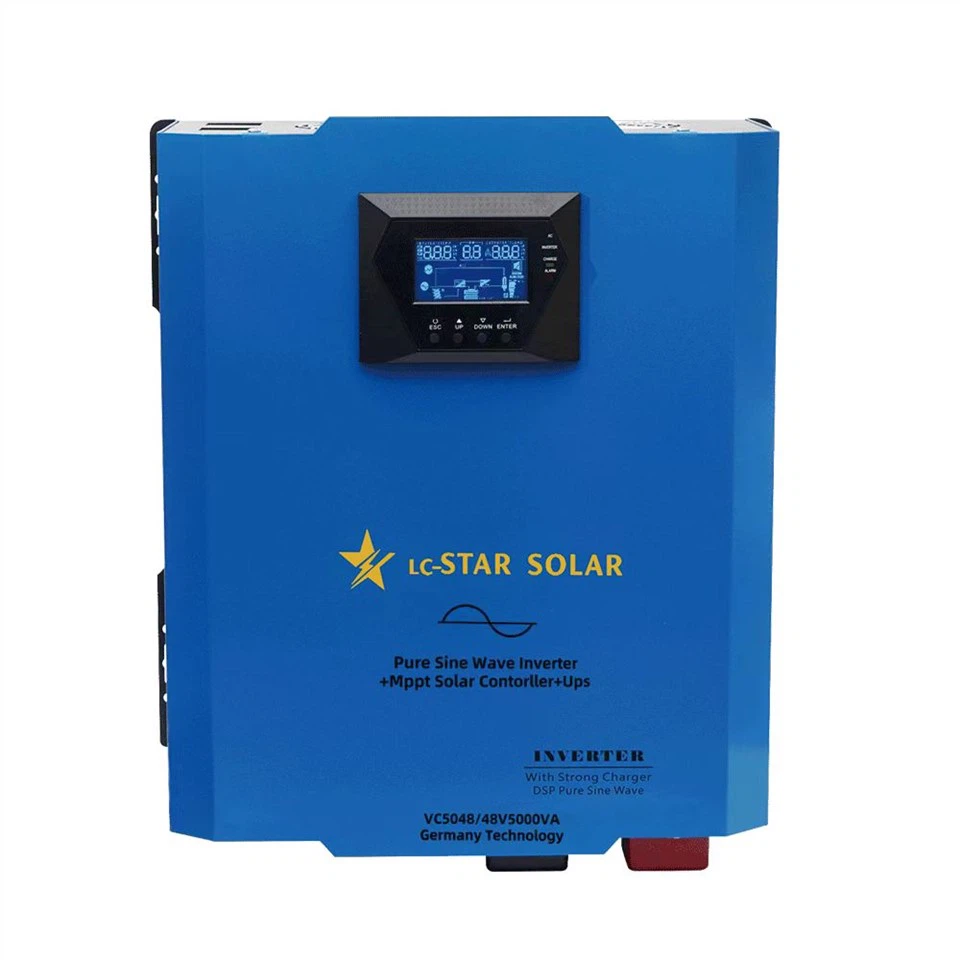
Getting a household energy storage system to work seamlessly with your existing electrical system can be a real headache. Not all systems are compatible with every type of solar panel or inverter. You might have to invest in additional equipment or make modifications to your home's electrical setup to get everything to work together.
For instance, if you've already got an older solar panel system, it might not be able to communicate effectively with a new energy storage system. This can lead to inefficiencies and even system failures. And if you're not an electrical expert, you'll likely have to hire a professional to handle the installation and troubleshooting, which adds to the cost.

Dependence on the Grid
Even with a household energy storage system, you're still somewhat dependent on the grid. In many cases, these systems are designed to work in conjunction with the grid, rather than replace it entirely. If there's a problem with the grid, like a major power outage or a voltage spike, your energy storage system might not be able to function properly.
Some systems are also programmed to charge from the grid during off - peak hours when electricity is cheaper. This means that if the grid goes down, you won't be able to charge your battery. And if your battery runs out of power, you'll be left in the dark until the grid is restored.
Performance Degradation Over Time
Like all batteries, the performance of a household energy storage system degrades over time. With each charge and discharge cycle, the battery's capacity slowly decreases. This means that as the years go by, your battery won't be able to store as much energy as it did when it was new.
The rate of degradation depends on several factors, including the type of battery, how often it's used, and how it's maintained. But even with proper care, you can expect to see a gradual decline in performance. Eventually, you'll need to replace the battery to keep your system working at its best.
Regulatory and Policy Uncertainties
The regulatory environment for household energy storage systems is still evolving. There are often different rules and regulations at the local, state, and federal levels regarding installation, interconnection, and incentives. These can be confusing for homeowners and can create barriers to adoption.
For example, some areas have strict permitting requirements for installing energy storage systems, which can be time - consuming and costly. And the availability of government incentives, like tax credits or rebates, can vary widely. This uncertainty can make it difficult for homeowners to make informed decisions about whether to invest in a household energy storage system.
Conclusion
So, there you have it - the disadvantages of a household energy storage system. While these systems offer many benefits, like energy independence and the ability to save on electricity bills, they're not without their flaws. The high initial cost, limited storage capacity, environmental impact, compatibility issues, dependence on the grid, performance degradation, and regulatory uncertainties are all factors that homeowners need to consider.
But don't let these drawbacks scare you off completely. As a supplier, I'm constantly working on improving the technology to address these issues. And if you're willing to do your research and weigh the pros and cons, a household energy storage system could still be a great investment for your home.
If you're interested in learning more about our products or discussing how we can help you overcome these challenges, I'd love to hear from you. Whether you're still on the fence or ready to make a purchase, feel free to reach out for a detailed discussion. We can work together to find the best solution for your energy needs.
References
- Doe, J. (2022). The Environmental Impact of Battery Production. Journal of Sustainable Energy.
- Smith, A. (2023). Compatibility Issues in Household Energy Storage Systems. Electrical Engineering Review.
- Johnson, B. (2021). Performance Degradation of Lithium - Ion Batteries. Battery Technology Journal.