




What are the fire safety considerations for a home battery system for solar?
 Sep 03, 2025|
As a supplier of home battery systems for solar, I've seen firsthand the growing popularity of these systems. They're a great way to store the energy your solar panels generate, giving you access to power even when the sun isn't shining. But with any new technology, there are important safety considerations, especially when it comes to fire safety.
Understanding Home Battery Systems for Solar
First off, let's talk a bit about what a home battery system for solar is. These systems work hand - in - hand with your solar panels. During the day, when your solar panels are producing more electricity than you're using, the excess energy gets stored in the battery. Then, at night or during cloudy days, you can draw on that stored energy. It's like having your own little power station at home.
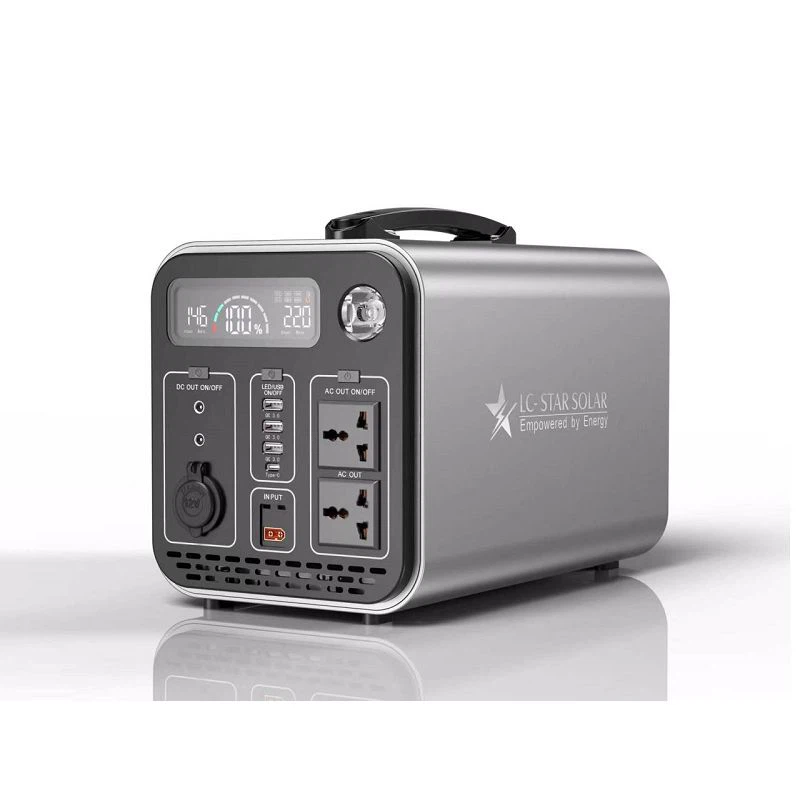
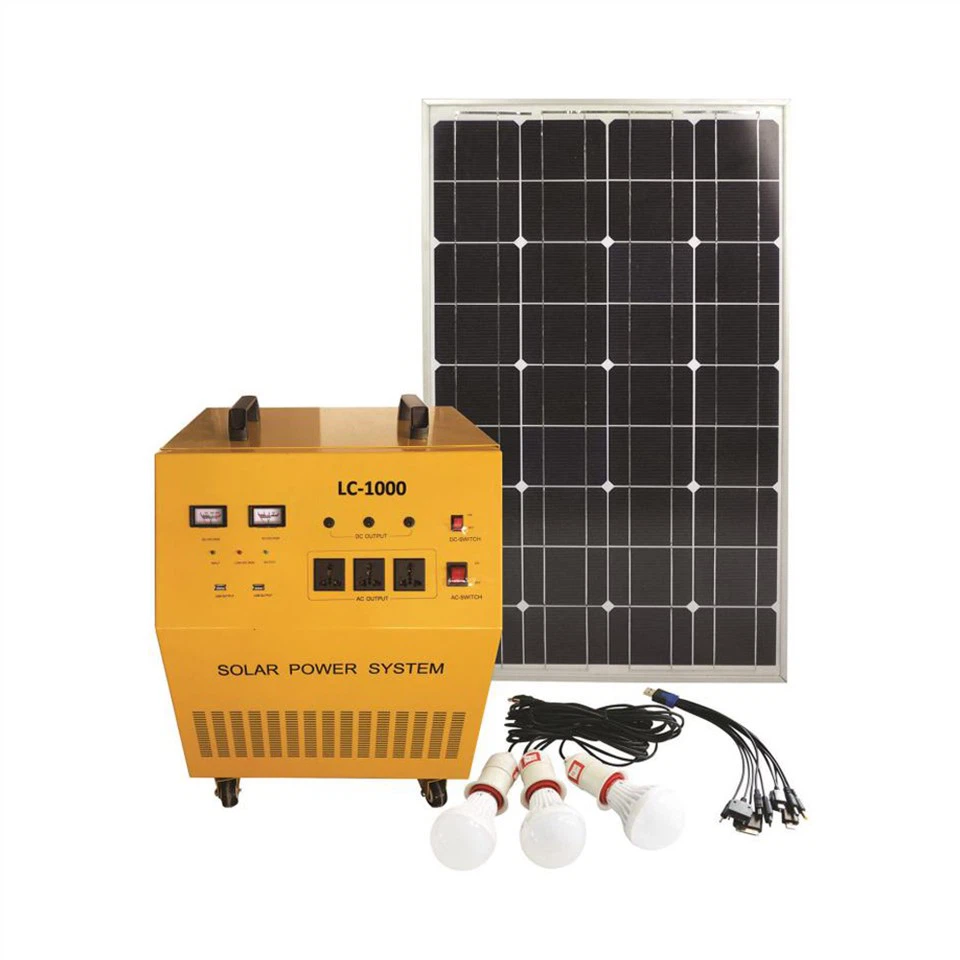
There are different types of batteries used in these systems, like lithium - ion batteries, which are quite common because they're efficient and have a long lifespan. But each type has its own set of characteristics that can affect fire safety.
Fire Risks Associated with Home Battery Systems
One of the main fire risks with home battery systems is thermal runaway. This is a situation where the battery overheats. Once it starts, the heat can cause a chain reaction, making the battery even hotter and potentially leading to a fire or explosion. Lithium - ion batteries, for example, are more prone to thermal runaway if they're damaged, overcharged, or exposed to high temperatures.
Another risk factor is improper installation. If the battery system isn't installed correctly, it can lead to electrical shorts. These shorts can generate a lot of heat, which could start a fire. Also, if the ventilation around the battery is poor, heat can build up, increasing the risk of thermal runaway.
Fire Safety Considerations
1. Battery Selection
When choosing a battery for your solar system, it's crucial to go for a high - quality one from a reputable manufacturer. Good manufacturers test their batteries thoroughly to ensure they meet safety standards. Look for batteries that have built - in safety features like overcharge protection and thermal management systems. These features can help prevent thermal runaway and other safety issues.
2. Installation
Proper installation is key to fire safety. You should always hire a professional installer who has experience with home battery systems for solar. They'll know how to install the battery correctly, including making sure all the electrical connections are secure and that there's proper ventilation. The battery should be installed in a well - ventilated area away from flammable materials. For example, don't install it in a closet full of old clothes or near a stack of cardboard boxes.
3. Monitoring and Maintenance
Regular monitoring and maintenance are essential. Most modern home battery systems come with monitoring software that allows you to keep an eye on the battery's temperature, charge level, and other important parameters. If you notice any abnormal readings, like a sudden increase in temperature, it could be a sign of a problem.
You should also have the battery system inspected by a professional on a regular basis. They can check for any signs of wear and tear, loose connections, or other issues that could pose a fire risk.
4. Fire Suppression
It's a good idea to have a fire suppression system in place near the battery. This could be a fire extinguisher rated for electrical fires. Make sure everyone in the household knows how to use it. In some cases, more advanced fire suppression systems, like sprinklers designed for battery fires, might be necessary, especially for larger battery systems.
Benefits of Home Battery Systems Despite the Risks
Even with the fire safety considerations, home battery systems for solar offer a ton of benefits. They can significantly reduce your electricity bills by allowing you to use the stored solar energy instead of drawing power from the grid. They also provide an Emergency Power Supply during power outages, giving you peace of mind. And from an environmental perspective, they help you rely more on clean, renewable energy.
Conclusion and Call to Action
In conclusion, while there are fire safety risks associated with home battery systems for solar, these risks can be managed with proper precautions. As a supplier, I'm committed to providing high - quality Home Solar Storage System and Solar System For Home With Battery that meet the highest safety standards.
If you're considering installing a home battery system for your solar setup, don't let the fire safety concerns scare you off. With the right battery, professional installation, and regular maintenance, you can enjoy the many benefits of these systems safely. If you have any questions or are interested in purchasing a home battery system, feel free to reach out. We're here to help you make the best choice for your home.
References
- International Electrotechnical Commission (IEC). Standards for energy storage systems.
- Underwriters Laboratories (UL). UL safety standards for batteries and battery systems.
- National Fire Protection Association (NFPA). NFPA codes related to electrical systems and energy storage.