




What are the types of Emergency Power Supplies?
 Nov 28, 2025|
 As a trusted supplier in the field of Emergency Power Supplies (EPS), I've witnessed firsthand the critical role these systems play in maintaining continuity during unexpected power outages. In this blog, I'll explore the various types of Emergency Power Supplies available in the market, shedding light on their features, applications, and benefits.
Uninterruptible Power Supply (UPS)
One of the most common types of emergency power supplies is the Uninterruptible Power Supply, commonly known as UPS. A UPS provides immediate backup power when the main power source fails, ensuring that critical equipment remains operational without any interruption. It acts as a buffer between the electrical grid and the connected devices, protecting them from power surges, spikes, and brownouts.
There are three main types of UPS systems: standby, line-interactive, and online double-conversion. Standby UPS systems are the most basic and affordable option. They typically use a battery to provide backup power only when the main power fails. Line-interactive UPS systems offer additional features such as voltage regulation, which helps to protect connected devices from power fluctuations. Online double-conversion UPS systems are the most advanced and reliable option. They continuously convert the incoming AC power to DC power and then back to AC power, providing a clean and stable power supply to the connected devices.
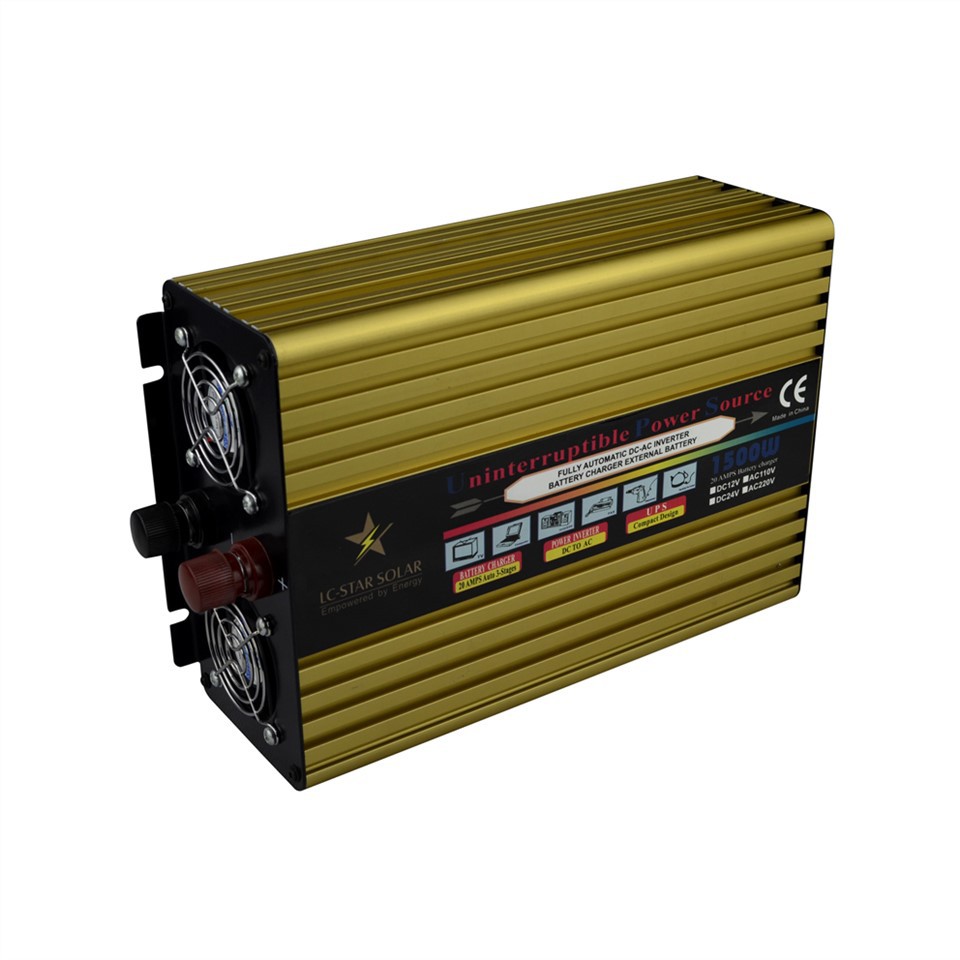
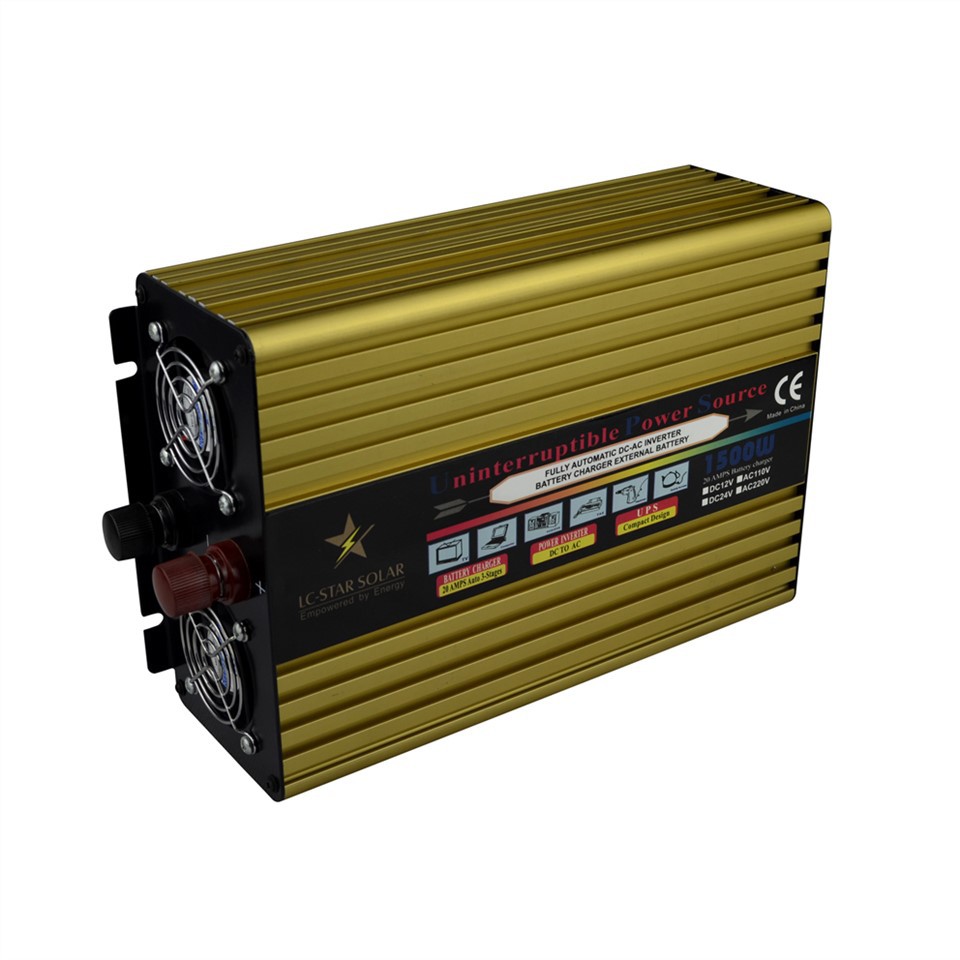
UPS systems are commonly used in a variety of applications, including data centers, hospitals, telecommunications facilities, and home offices. They are essential for protecting sensitive equipment such as computers, servers, and medical devices from power outages and other electrical disturbances. For more information on UPS Battery Backup, you can visit UPS Battery Backup.
Generator
Generators are another popular type of emergency power supply. They are capable of providing a large amount of power for an extended period of time, making them suitable for use in commercial and industrial applications. Generators can be powered by a variety of fuels, including gasoline, diesel, natural gas, and propane.
There are two main types of generators: portable generators and standby generators. Portable generators are small, lightweight, and easy to move around. They are typically used for temporary power needs, such as during a camping trip or a power outage at a construction site. Standby generators, on the other hand, are permanently installed and connected to the electrical system of a building. They are designed to automatically start up when the main power fails, providing backup power to the entire building or a specific area.
Generators are commonly used in a variety of applications, including hospitals, schools, factories, and residential homes. They are essential for providing power during extended power outages, ensuring that critical operations can continue without interruption. For more information on reliable backup power, you can visit Reliable Backup Power.
Solar Power System
Solar power systems are becoming increasingly popular as a source of emergency power. They use solar panels to convert sunlight into electricity, which can be stored in batteries for later use. Solar power systems are environmentally friendly, renewable, and can provide a reliable source of power in remote areas or during power outages.
There are two main types of solar power systems: off-grid solar power systems and grid-tied solar power systems. Off-grid solar power systems are not connected to the electrical grid and rely on batteries to store the electricity generated by the solar panels. They are typically used in remote areas where there is no access to the electrical grid. Grid-tied solar power systems, on the other hand, are connected to the electrical grid and can sell excess electricity back to the utility company. They are typically used in residential and commercial applications to reduce electricity bills and provide backup power during power outages.
Solar power systems are commonly used in a variety of applications, including homes, businesses, and remote communities. They are essential for providing power in areas where there is no access to the electrical grid or during power outages. For more information on emergency power supply, you can visit Emergency Power Supply.
Fuel Cell
Fuel cells are a relatively new type of emergency power supply that uses hydrogen and oxygen to produce electricity. They are clean, efficient, and can provide a reliable source of power for an extended period of time. Fuel cells are typically used in applications where a high level of reliability and efficiency is required, such as in data centers, hospitals, and telecommunications facilities.
There are several types of fuel cells, including proton exchange membrane fuel cells (PEMFC), solid oxide fuel cells (SOFC), and molten carbonate fuel cells (MCFC). PEMFCs are the most common type of fuel cell and are typically used in small-scale applications, such as in portable electronics and backup power systems. SOFCs and MCFCs are typically used in large-scale applications, such as in power plants and industrial facilities.
Fuel cells are still relatively expensive and not as widely available as other types of emergency power supplies. However, as the technology continues to develop and the cost of production decreases, fuel cells are expected to become more popular in the future.
Conclusion
In conclusion, there are several types of emergency power supplies available in the market, each with its own unique features, applications, and benefits. When choosing an emergency power supply, it's important to consider your specific needs and requirements, such as the amount of power you need, the duration of the power outage, and the type of equipment you need to power.
As a supplier of Emergency Power Supplies, I'm committed to providing high-quality products and services to my customers. Whether you need a UPS system, a generator, a solar power system, or a fuel cell, I can help you find the right solution for your needs. If you're interested in learning more about our products and services, please don't hesitate to contact me for a consultation. I look forward to working with you to ensure that your critical operations are protected during power outages.
References
- "Emergency Power Supply Systems." Electrical Safety Foundation International.
- "Uninterruptible Power Supplies (UPS)." Power Systems and Services.
- "Generators: Types, Sizes, and Uses." HomeAdvisor.
- "Solar Power Systems: How They Work and Why You Need One." EnergySage.
- "Fuel Cells: A Clean and Efficient Power Source." U.S. Department of Energy.