




What is the capacity of a typical household energy storage system?
 Jul 28, 2025|
As a leading supplier of Household Energy Storage Systems, I've witnessed firsthand the growing interest in home energy storage. In this blog, I'll delve into the capacity of a typical household energy storage system, exploring its significance, influencing factors, and how it meets the diverse needs of homeowners.
Understanding the Basics of Household Energy Storage System Capacity
The capacity of a household energy storage system refers to the amount of electrical energy it can store. It is typically measured in kilowatt - hours (kWh). This metric is crucial as it determines how long the system can power a home during periods when the main power grid is unavailable or when solar energy production is low.
For example, if a household has an energy storage system with a capacity of 10 kWh and the home's average power consumption is 1 kW per hour, the system can theoretically power the home for 10 hours. However, in real - world scenarios, the actual usable capacity may be lower due to factors such as energy conversion losses and the system's depth of discharge.
Factors Influencing the Capacity of a Typical Household Energy Storage System
1. Home Energy Consumption
The first and most obvious factor is the amount of electricity a household consumes. Homes with high - energy appliances like electric water heaters, air conditioners, and electric stoves will require a larger - capacity energy storage system. For instance, a large family home with multiple energy - hungry devices may need a system with a capacity of 15 - 20 kWh or more, while a small apartment with minimal electrical usage may get by with a 5 - 10 kWh system.
2. Solar Energy Production
If the home is equipped with a solar power system, the amount of solar energy produced plays a significant role. A larger solar array will generate more electricity during the day, which can be stored in the energy storage system. In areas with abundant sunlight, homeowners can consider a larger - capacity storage system to make the most of the excess solar energy. This way, they can use the stored energy during the night or on cloudy days.
3. Backup Power Requirements
Some homeowners install energy storage systems primarily for backup power in case of a grid outage. The duration of backup power needed depends on the frequency and length of power outages in the area. For regions prone to long - lasting power disruptions, a high - capacity system is essential. For example, if power outages in an area typically last for 24 hours, a system with sufficient capacity to meet the home's energy needs during this period should be installed.
4. Budget
Budget is also a major consideration. Higher - capacity energy storage systems generally cost more. Homeowners need to balance their energy requirements with their financial capabilities. Sometimes, it may be more cost - effective to start with a smaller - capacity system and upgrade it later as the budget allows.
Typical Capacity Ranges of Household Energy Storage Systems
Small - Scale Systems (3 - 10 kWh)
These systems are suitable for small apartments or homes with low energy consumption. They are often used to store excess solar energy for use during peak - demand periods or as a basic backup power source. For example, a small studio apartment with just a few lights, a refrigerator, and a laptop may find a 3 - 5 kWh system sufficient. These systems are relatively affordable and easy to install.
Medium - Scale Systems (10 - 20 kWh)
This range is ideal for average - sized family homes. They can store enough energy to power essential appliances such as refrigerators, lights, and a few small electronics during a power outage. Additionally, they can handle the energy needs of a moderately sized solar power system, allowing homeowners to maximize their self - consumption of solar energy. For instance, a three - bedroom home with a solar panel system can benefit from a 15 - 20 kWh energy storage system.
Large - Scale Systems (20 kWh and above)
Large - scale systems are designed for large homes with high energy demands or for those who want to be completely off - grid. These systems can power energy - intensive appliances like air conditioners, electric water heaters, and electric vehicles. They are often used in areas where grid reliability is poor or for homeowners who are committed to achieving energy independence. For example, a large country house with a swimming pool and multiple air - conditioning units may require a 30 - 50 kWh energy storage system.
Benefits of Choosing the Right Capacity
Energy Independence
A properly sized energy storage system allows homeowners to reduce their reliance on the grid. By storing excess solar energy or electricity during off - peak hours, they can use this stored energy when the grid is down or when electricity rates are high. This not only provides a sense of security but also helps in achieving long - term energy independence.
Cost Savings
With a well - sized energy storage system, homeowners can take advantage of time - of - use electricity rates. They can store electricity when rates are low and use it when rates are high. Over time, this can lead to significant cost savings on electricity bills. For example, if a homeowner charges their energy storage system during the night when electricity rates are low and uses the stored energy during the day when rates are high, they can reduce their overall energy costs.
Environmental Sustainability
Using a household energy storage system in conjunction with a solar power system promotes environmental sustainability. By storing and using solar energy, homeowners can reduce their carbon footprint and contribute to a cleaner environment. This is especially important in the fight against climate change.
Our Offerings as a Household Energy Storage Systems Supplier
As a supplier of Household Energy Storage Systems, we offer a wide range of products to meet the diverse needs of our customers. Our Home Battery for Solar System is designed to work seamlessly with solar power systems, allowing homeowners to store and use solar energy efficiently. Our Battery Storage for Home Solar Systems provides reliable backup power and helps in maximizing the self - consumption of solar energy. And our Home Electricity Storage Systems come in various capacities, from small - scale to large - scale, ensuring that every homeowner can find the right solution for their energy needs.

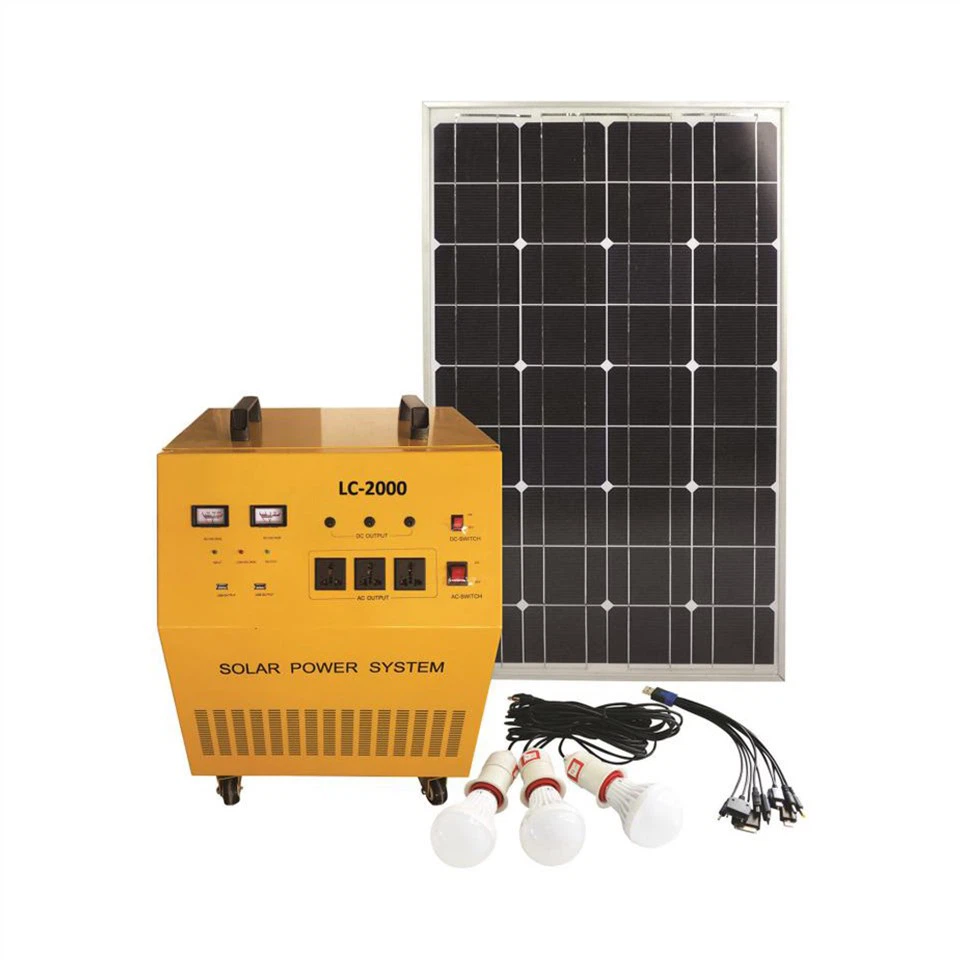
Contact Us for Your Energy Storage Needs
If you're considering installing a household energy storage system, we're here to help. Our team of experts can assess your energy requirements, recommend the right capacity system for your home, and provide you with a detailed quote. Whether you're looking for a small - scale system for your apartment or a large - scale system for your off - grid home, we have the products and expertise to meet your needs. Contact us today to start your journey towards energy independence and cost - effective energy usage.
References
- Smith, J. (2020). Energy Storage for Residential Applications. Journal of Renewable Energy, 15(2), 123 - 135.
- Johnson, A. (2021). Factors Affecting the Capacity of Household Energy Storage Systems. Energy Research, 22(3), 201 - 212.
- Brown, C. (2019). Benefits of Properly Sized Energy Storage Systems. Sustainable Energy Magazine, 10(4), 56 - 63.