




What are the safety precautions for using an Emergency Power Supply?
 Jul 28, 2025|
 When it comes to ensuring continuous power supply during unforeseen circumstances, an Emergency Power Supply (EPS) is an invaluable asset. As a trusted Emergency Power Supply supplier, we understand the critical role these systems play in various settings, from residential homes to large commercial establishments. However, to ensure the safe and effective use of an EPS, it is essential to follow certain safety precautions. This blog post will outline the key safety measures you should take when using an Emergency Power Supply.
1. Installation Safety
- Professional Installation: Always have your EPS installed by a qualified electrician. Professional installers have the necessary skills and knowledge to ensure that the EPS is correctly connected to your electrical system. Incorrect installation can lead to electrical hazards, such as short circuits or electrical shocks. For example, if the wiring is not properly connected, it can cause overheating and potentially start a fire.
- Proper Location: Choose a suitable location for your EPS. It should be installed in a well - ventilated area to prevent overheating. Avoid placing the EPS in damp or wet locations, as moisture can damage the electrical components and pose a safety risk. Additionally, the location should be easily accessible for maintenance and inspection.
2. Electrical Safety
- Isolation: Before performing any maintenance or inspection on the EPS, always isolate the power source. This includes turning off the main electrical supply and any associated breakers. This step is crucial to prevent electrical shocks during maintenance work.
- Use of Approved Components: Only use approved electrical components when connecting or maintaining the EPS. Using non - approved components can void the warranty and pose a significant safety risk. For instance, using an incorrect fuse can lead to overloading and damage to the EPS.
- Grounding: Ensure that the EPS is properly grounded. Grounding helps to protect against electrical faults by providing a safe path for electrical current in the event of a short circuit. A properly grounded EPS reduces the risk of electrical shocks and damage to the equipment.
3. Battery Safety
- Battery Handling: If your EPS uses batteries, handle them with care. Batteries contain chemicals that can be harmful if they come into contact with your skin or eyes. When handling batteries, wear appropriate protective gear, such as gloves and goggles.
- Battery Charging: Follow the manufacturer's instructions for battery charging. Overcharging or undercharging the batteries can reduce their lifespan and performance. Some batteries may require a specific charging rate and duration, so it is important to adhere to these guidelines.
- Battery Storage: Store batteries in a cool, dry place. High temperatures can accelerate battery degradation, while moisture can cause corrosion. If you need to store the batteries for an extended period, ensure they are fully charged and periodically check their charge level.
4. Maintenance and Inspection
- Regular Maintenance: Schedule regular maintenance for your EPS. This includes checking the electrical connections, testing the battery charge, and inspecting the overall condition of the system. Regular maintenance helps to identify and address potential issues before they become major problems.
- Inspection for Damage: Routinely inspect the EPS for any signs of damage, such as cracks, loose wires, or signs of overheating. If you notice any damage, do not attempt to use the EPS until it has been repaired by a qualified technician.
- Software Updates: If your EPS has software - controlled features, keep the software up - to - date. Software updates can improve the performance and safety of the EPS by fixing bugs and adding new security features.
5. Operational Safety
- Load Management: Do not overload the EPS. Each EPS has a maximum load capacity, and exceeding this capacity can cause the system to malfunction or even fail. Before connecting devices to the EPS, calculate the total power consumption of the devices to ensure they are within the EPS's capacity.
- Emergency Shutdown: Familiarize yourself with the emergency shutdown procedure for the EPS. In case of an emergency, such as a fire or electrical fault, you should be able to quickly and safely shut down the EPS.
- Training: Provide training to anyone who will be using or operating the EPS. This includes understanding the basic functions of the EPS, safety procedures, and how to respond to emergencies.
6. Environmental Safety
- Temperature and Humidity: Monitor the temperature and humidity levels in the area where the EPS is installed. Extreme temperatures and high humidity can affect the performance and lifespan of the EPS. Most EPS systems are designed to operate within a specific temperature and humidity range, so it is important to maintain these conditions.
- Ventilation: Ensure proper ventilation around the EPS. Good ventilation helps to dissipate heat and prevent the build - up of harmful gases. If the EPS is installed in an enclosed space, consider installing additional ventilation fans.
7. Documentation and Record - Keeping
- User Manual: Keep the user manual for the EPS in a safe and accessible place. The user manual contains important information about the operation, maintenance, and safety of the EPS.
- Maintenance Records: Maintain detailed records of all maintenance and inspections performed on the EPS. This includes the date of maintenance, the tasks performed, and any issues identified. These records can be useful for troubleshooting and ensuring that the EPS is properly maintained.
Conclusion
Using an Emergency Power Supply safely is of utmost importance. By following these safety precautions, you can ensure the reliable operation of your EPS and protect yourself, your property, and your equipment from potential hazards. At our company, we are committed to providing high - quality Emergency Power Supply solutions along with comprehensive support to ensure your safety. Our Reliable Backup Power options are designed to meet your specific needs, and our UPS Battery Backup systems are built to last.

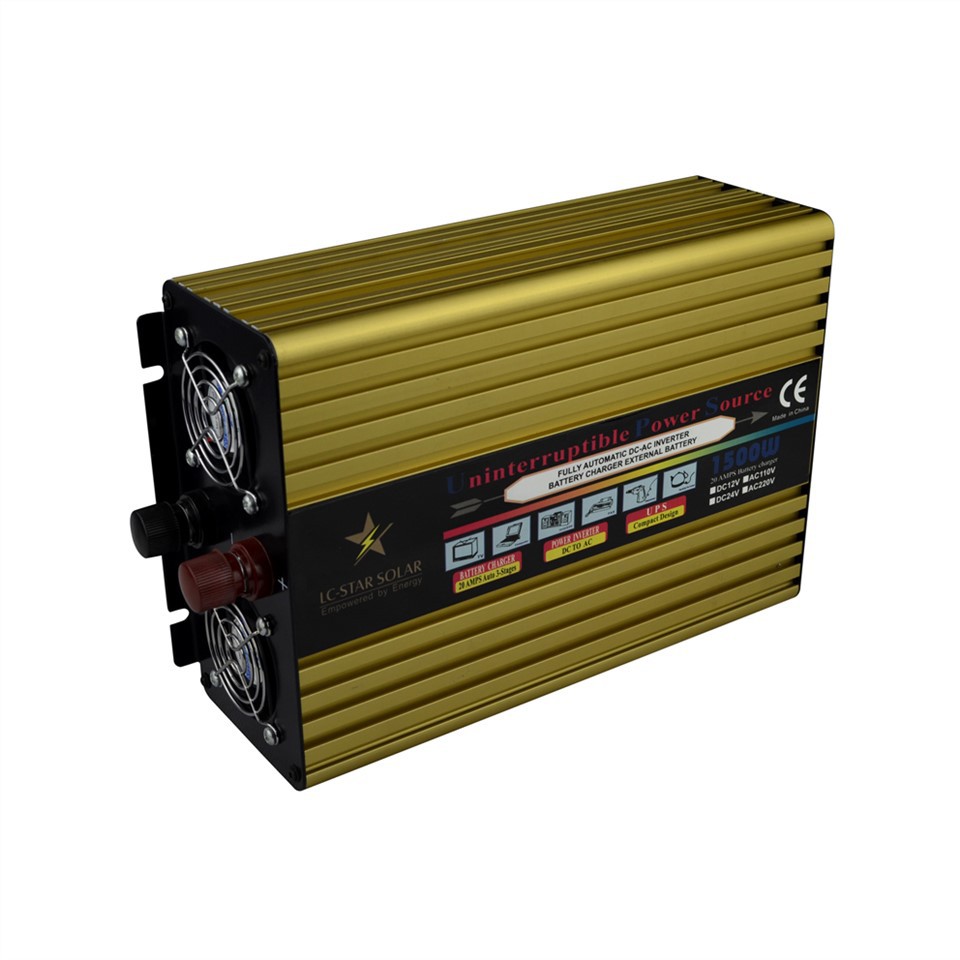
If you are interested in learning more about our Emergency Power Supply products or have any questions regarding safety and operation, we encourage you to contact us for a procurement discussion. Our team of experts is ready to assist you in finding the best solution for your power backup needs.
References
- Electrical Safety Standards for Emergency Power Supplies, National Electrical Code (NEC).
- Battery Safety Guidelines, Battery Manufacturers Association.
- Emergency Power Supply User Manuals, Various Manufacturers.