




What is the power output of an Emergency Power Supply?
 Jul 03, 2025|
What is the power output of an Emergency Power Supply?
As a seasoned supplier of Emergency Power Supplies (EPS), I've encountered numerous inquiries regarding the power output of these crucial devices. Understanding the power output of an EPS is essential for ensuring that it can meet the specific needs of various applications, whether it's for a small home office or a large industrial facility.
Defining Power Output
Before delving into the details of EPS power output, let's first clarify what power output means. Power output refers to the amount of electrical power that a device can deliver to connected loads. It is typically measured in watts (W) or kilowatts (kW). In the context of an EPS, the power output determines the number and type of devices that can be powered during an outage.
Factors Affecting Power Output
Several factors influence the power output of an EPS. These include:
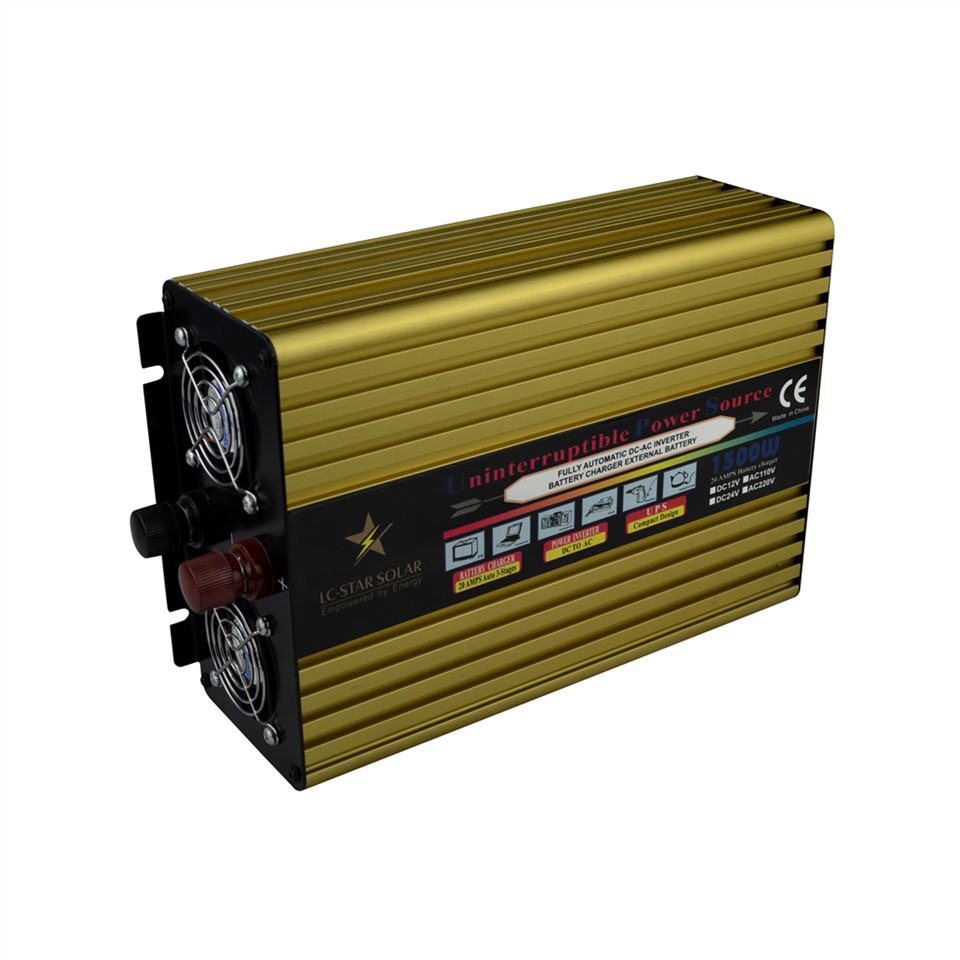
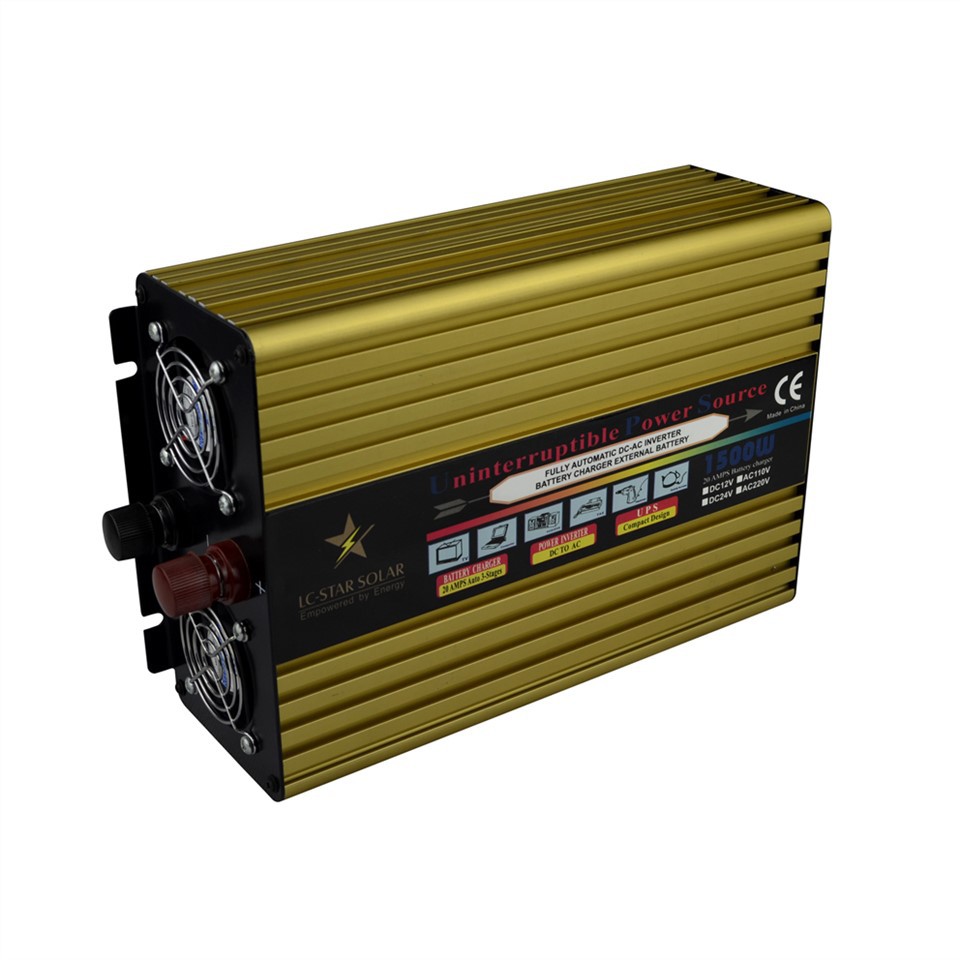
- Battery Capacity: The battery capacity of an EPS is a critical factor in determining its power output. A larger battery capacity generally means a higher power output and longer runtime. Batteries are rated in ampere-hours (Ah), which indicates the amount of charge they can store. The higher the Ah rating, the more energy the battery can supply.
- Inverter Efficiency: The inverter is responsible for converting the DC power stored in the battery into AC power that can be used by most electrical devices. The efficiency of the inverter affects the overall power output of the EPS. A more efficient inverter will convert a higher percentage of the battery's energy into usable AC power, resulting in a higher power output.
- Load Requirements: The power output of an EPS must be sufficient to meet the requirements of the connected loads. Different devices have different power consumption levels, and it's important to calculate the total power requirements of all the devices that will be powered by the EPS. This includes both the starting power (surge power) and the running power of each device.
- Runtime: The runtime of an EPS refers to the amount of time it can power the connected loads during an outage. The power output and battery capacity are directly related to the runtime. A higher power output and larger battery capacity will generally result in a longer runtime.
Calculating Power Output Requirements
To determine the appropriate power output for an EPS, you need to calculate the total power requirements of the devices that will be powered during an outage. Here's a step-by-step guide:
- List All Devices: Make a list of all the devices that you want to power with the EPS. Include the make, model, and power consumption of each device. You can usually find this information on the device's label or in the user manual.
- Determine Starting and Running Power: For each device, determine the starting power (surge power) and the running power. The starting power is the amount of power required to start the device, which is usually higher than the running power. Some devices, such as motors and compressors, have a high starting power.
- Calculate Total Power Requirements: Add up the running power of all the devices to get the total running power. If any of the devices have a high starting power, you may need to consider the starting power as well. In some cases, you may need to stagger the startup of devices to avoid overloading the EPS.
- Consider Future Expansion: It's a good idea to leave some room for future expansion. If you plan to add more devices in the future, you may want to choose an EPS with a higher power output.
Types of Emergency Power Supplies and Their Power Outputs
There are several types of Emergency Power Supplies available, each with different power output capabilities. Here are some common types:
- UPS Battery Backup: A UPS Battery Backup is a type of EPS that provides short-term power protection for electronic devices, such as computers, servers, and telecommunications equipment. UPS systems typically have power outputs ranging from a few hundred watts to several kilowatts. They are designed to provide instant power during a power outage and can keep devices running for a few minutes to several hours, depending on the battery capacity and the load requirements.
- Standby Generator: Standby generators are larger EPS systems that are typically used for larger commercial and industrial applications. They can provide high power outputs, ranging from several kilowatts to hundreds of kilowatts. Standby generators are usually connected to the electrical grid and automatically start when a power outage occurs. They can run on various fuels, such as diesel, natural gas, or propane.
- Portable Generator: Portable generators are smaller, more mobile EPS systems that are suitable for use in homes, construction sites, and outdoor events. They are available in a range of power outputs, from a few hundred watts to several thousand watts. Portable generators are typically powered by gasoline or diesel and can be easily transported and used in different locations.
Importance of Choosing the Right Power Output
Choosing the right power output for an EPS is crucial for ensuring its effectiveness and reliability. If the power output is too low, the EPS may not be able to power all the connected devices, or it may not be able to provide sufficient runtime. On the other hand, if the power output is too high, you may end up paying more for an EPS than you actually need.
It's also important to consider the quality and reliability of the EPS. A high-quality EPS with a reliable power output will provide better protection for your electrical devices and ensure that they can continue to operate during an outage.
Conclusion
In conclusion, the power output of an Emergency Power Supply is a critical factor that determines its ability to meet the needs of various applications. By understanding the factors that affect power output, calculating the power requirements of your devices, and choosing the right type of EPS, you can ensure that you have a reliable backup power solution that will keep your devices running during an outage.
If you're in the market for an Emergency Power Supply or need more information about power output requirements, please don't hesitate to contact us. Our team of experts can help you choose the right EPS for your specific needs and provide you with reliable Reliable Backup Power solutions. We look forward to discussing your requirements and helping you find the best EPS for your situation.
References
- "Electrical Power Systems: Design and Analysis" by Turan Gonen
- "Handbook of Energy Efficiency and Renewable Energy" by David Y. Goswami, Frank Kreith, and Jan F. Kreider
- Manufacturer's specifications and technical documentation for Emergency Power Supplies