




What is the temperature range for a household battery storage system?
 Jan 13, 2026|
 When it comes to household battery storage systems, understanding the optimal temperature range is crucial for ensuring their efficiency, longevity, and safety. As a leading supplier of household battery storage solutions, we have delved deep into the science behind battery performance and temperature to provide you with comprehensive insights.
The Importance of Temperature in Battery Storage
Batteries are electrochemical devices that rely on chemical reactions to store and release energy. Temperature plays a significant role in these reactions, affecting the battery's capacity, charging and discharging efficiency, and lifespan. Extreme temperatures, whether too hot or too cold, can have detrimental effects on battery performance and durability.
Optimal Temperature Range for Household Battery Storage Systems
The ideal temperature range for most household battery storage systems, particularly lithium-ion batteries, which are widely used due to their high energy density and long cycle life, is between 20°C and 25°C (68°F and 77°F). Within this range, the battery's chemical reactions occur at an optimal rate, allowing for efficient charging and discharging. The battery can maintain its full capacity, and the self-discharge rate is minimized, ensuring that the stored energy remains available when needed.
Effects of High Temperatures
Exposure to high temperatures can accelerate the degradation of battery materials, leading to a shorter lifespan. At elevated temperatures, the chemical reactions within the battery occur more rapidly, which can cause the electrolyte to break down, the electrodes to corrode, and the internal resistance to increase. This results in a loss of capacity over time and a reduction in the battery's ability to deliver power.
Moreover, high temperatures can also pose a safety risk. Lithium-ion batteries are sensitive to overheating, and if the temperature exceeds a certain threshold, it can trigger a thermal runaway reaction. This is a self-perpetuating process where the heat generated by the battery causes further chemical reactions, leading to a rapid increase in temperature and potentially resulting in a fire or explosion.
To mitigate the effects of high temperatures, it is essential to ensure proper ventilation and cooling for the battery storage system. Some advanced systems are equipped with thermal management technologies, such as active cooling or heating systems, to maintain the battery within the optimal temperature range.
Effects of Low Temperatures
Low temperatures can also have a significant impact on battery performance. At cold temperatures, the chemical reactions within the battery slow down, reducing the battery's ability to deliver power. The internal resistance of the battery increases, which means that more energy is lost as heat during charging and discharging. This can lead to a decrease in the battery's capacity and efficiency.
In addition, discharging a battery at low temperatures can cause lithium plating on the anode, which can damage the battery and reduce its lifespan. Lithium plating occurs when lithium ions are not able to intercalate into the anode material quickly enough during charging, resulting in the deposition of lithium metal on the anode surface.
To improve the performance of batteries in cold environments, some systems are designed with pre-heating capabilities or insulation to keep the battery warm.
Temperature Management in Household Battery Storage
As a supplier of household battery storage systems, we offer a range of products with advanced temperature management features. Our Rack Mount Lithium Ion Battery is designed with a built-in thermal management system that monitors and controls the temperature of the battery cells. This ensures that the battery operates within the optimal temperature range, maximizing its performance and lifespan.
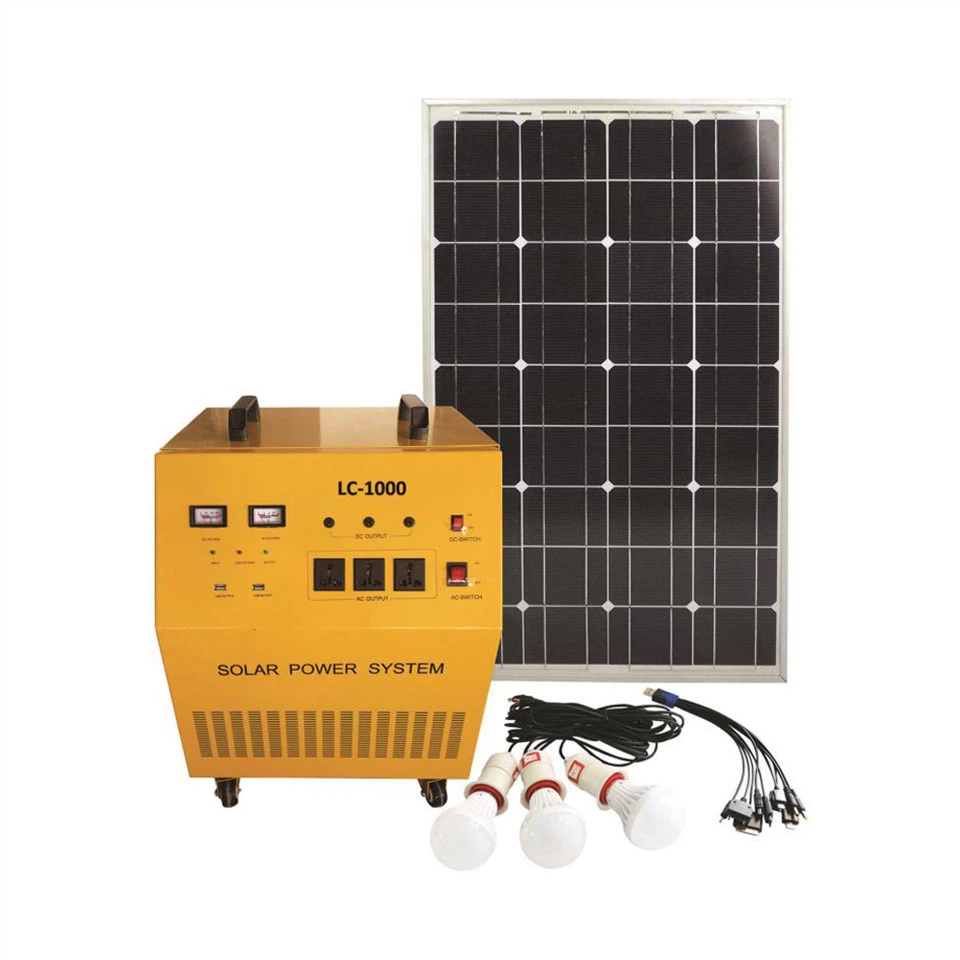
Our Solar System For Home With Battery and Solar Storage System For Home are also engineered to withstand a wide range of temperatures. They are equipped with temperature sensors and ventilation systems to prevent overheating and ensure efficient operation in diverse environmental conditions.

Monitoring and Maintenance
Regular monitoring of the battery's temperature is essential to ensure its safe and efficient operation. Most modern household battery storage systems are equipped with monitoring software that allows users to track the battery's temperature, state of charge, and other key parameters. By keeping an eye on the temperature readings, users can identify any potential issues early and take appropriate action to prevent damage to the battery.
In addition to monitoring, proper maintenance is also crucial for ensuring the longevity of the battery. This includes keeping the battery clean, avoiding overcharging or over-discharging, and following the manufacturer's recommended maintenance schedule.
Conclusion
In conclusion, the temperature range for a household battery storage system is a critical factor that can significantly impact its performance, lifespan, and safety. Maintaining the battery within the optimal temperature range of 20°C to 25°C is essential for maximizing its efficiency and durability. As a leading supplier of household battery storage systems, we are committed to providing our customers with high-quality products that are designed to operate reliably in a wide range of temperatures.
If you are interested in learning more about our household battery storage solutions or have any questions about temperature management, please feel free to contact us. We would be happy to discuss your specific needs and provide you with a customized solution.
References
- Linden, D., & Reddy, T. B. (2002). Handbook of Batteries. McGraw-Hill.
- Tarascon, J.-M., & Armand, M. (2001). Issues and challenges facing rechargeable lithium batteries. Nature, 414(6861), 359-367.
- Kintner-Meyer, M. C. W., & Pratt, R. G. (2010). Energy storage for the electricity grid: A battery of choices. IEEE Power & Energy Magazine, 8(2), 54-62.