





How Solar Panel Works
 Apr 08, 2025|
 Basic Overview of Solar Panels
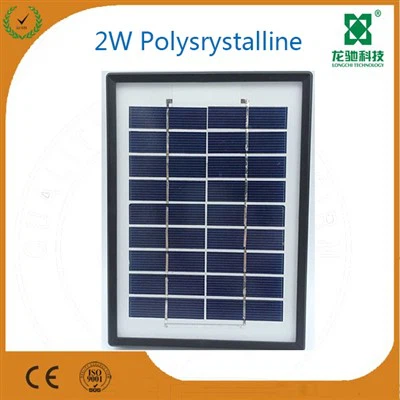
What are solar panels?
Solar panels are devices that convert sunlight into electrical energy and are widely used in residential, commercial and industrial fields. Through the photovoltaic effect, solar panels can directly obtain energy from sunlight and convert it into usable electrical energy. As part of clean energy, solar panels have become an important solution to the global energy shortage and environmental pollution problems.
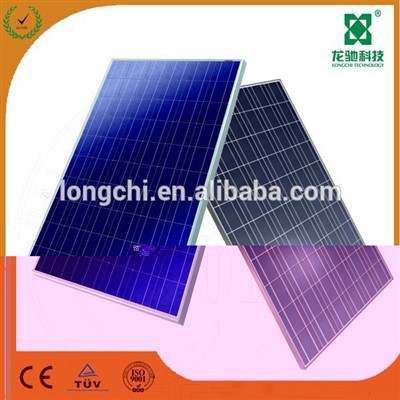
Components of solar panels
Solar panels are mainly composed of multiple components, including silicon solar cells, glass, frames, junction boxes, etc. Silicon solar cells are the core component responsible for the conversion of light energy. Glass is used to protect the surface of the cell and enhance the transmittance of light, the frame provides structural support, and the junction box is used to connect the panel to the external circuit. The design and material selection of each part have an important impact on the overall performance of the solar panel.

Types of solar panels
There are three main types of solar panels: monocrystalline silicon solar panels, polycrystalline silicon solar panels and thin-film solar panels. Monocrystalline silicon solar panels have higher efficiency and longer service life, and are suitable for places with limited space. Polycrystalline silicon panels are relatively cheap, but slightly less efficient. Thin-film solar panels are suitable for some special installation environments due to their lightness and flexibility.
How solar panels work
Basic concepts of solar cells
The working principle of solar panels is based on the photovoltaic effect. In simple terms, it generates current by absorbing photons (i.e. light particles) in sunlight and exciting electrons. The silicon material in the panel plays a core role. When sunlight shines on the silicon wafer, the energy of the photons is absorbed, which in turn frees the electrons from the atoms and becomes free electrons, forming a current.
Photovoltaic effect: how to convert light energy into electrical energy
The photovoltaic effect is the basic principle of how solar panels work. Photons in sunlight carry energy. When they shine on the silicon wafer of the solar panel, these photons collide with electrons in the silicon wafer, releasing electrons and forming free electrons and holes. Free electrons flow in the direction of the electric field and eventually form a current.
The movement of electrons after sunlight shines on the surface of the panel
When sunlight shines on the surface of the solar panel, photons hit the electrons in the silicon material and release these electrons. Because there is an electric field inside the panel, the electrons are pushed to the negative pole of the battery, while the holes move to the positive pole. At this point, the current begins to flow in the panel.
Interaction of photons and electrons
Photons are the basic unit of energy in sunlight. When these photons hit atoms in silicon wafers, they transfer energy to electrons in the atoms, allowing these electrons to gain enough energy to break free from the atoms and become free electrons. Through this process, solar panels convert light energy into electrical energy.
Current generation process of solar panels

Photons of sunlight hit silicon wafers and release electrons
When photons in sunlight hit the silicon wafers of solar panels, the energy of the photons is transferred to the electrons. This process allows the electrons to gain energy and break free from the silicon atoms to form free electrons. Through this process, solar panels begin to generate current.

Generation and separation of electrons and holes
When photons hit silicon wafers and release electrons, these electrons combine with existing holes (i.e., areas where electrons are missing) to form electron-hole pairs. In order to generate current, electrons and holes must be separated and directed to different electrodes. The action of the electric field causes electrons to flow to the negative electrode and holes to flow to the positive electrode, thus forming a current.
How electric fields help electrons flow to generate current
The electric field in a solar panel is generated by different types of dopants in the silicon wafer. The electric field generates current by pushing the electrons to flow, forcing them to flow in a specific direction. This process is critical to the stable output of current.

The role of conductive materials: how current flows through the circuit
Conductive materials, such as the metal contact layer on the panel, play the role of conducting electrons from the solar panel to the external circuit. The current flows through these conductive materials and eventually reaches the external load, providing actual power supply.
Factors affecting the efficiency of solar panels
The intensity and angle of sunlight: The intensity and angle of sunlight directly affect the working efficiency of solar panels. When the sunlight is strong and facing the panel, the panel can absorb light energy to the greatest extent and convert it into electrical energy. In the case of weak light or undesirable light angle, the efficiency of solar panels will decrease.
The selection of panel surface materials and light absorption capacity: The surface material of the solar panel is crucial to the light absorption capacity. Different types of solar panels use different surface materials to increase light absorption and reduce reflection, thereby improving efficiency.
Effect of temperature on solar panel efficiency: Temperature is an important factor affecting the efficiency of solar panels. As the temperature rises, the efficiency of the panel may decrease. Excessive temperature will increase the resistance to the flow of electrons inside the battery, which in turn affects the generation of electrical energy.
Working environment of solar panels (such as climate, pollution, dust, etc.): The working environment of solar panels has a great impact on their performance. Dust, pollutants in the air and adverse weather conditions (such as frequent rainy weather) may cause the surface of the panel to be blocked, affecting its light absorption efficiency and thus affecting the power conversion rate.