




Can household energy storage systems be expanded in the future?
 Nov 26, 2025|
As a supplier of Household Energy Storage Systems, I've witnessed firsthand the remarkable evolution of this industry. The question of whether household energy storage systems can be expanded in the future is not just a matter of technological possibility but also of economic viability, environmental necessity, and market demand. In this blog, I'll delve into these aspects to explore the potential for future expansion of household energy storage systems.
Technological Advancements Paving the Way
The foundation for the expansion of household energy storage systems lies in continuous technological innovation. Over the past few decades, we've seen significant improvements in battery technology, the core component of these systems. Lithium - ion batteries, which are widely used in household energy storage, have become more efficient, durable, and cost - effective.
The energy density of lithium - ion batteries has been steadily increasing. This means that for the same physical size, modern batteries can store more energy. For households, it translates into being able to store more electricity generated from solar panels during the day for use at night or during power outages. Moreover, the lifespan of these batteries has also been extended, reducing the need for frequent replacements.
In addition to lithium - ion batteries, researchers are exploring other promising battery chemistries. Flow batteries, for example, offer the advantage of scalability and long - term stability. They can be easily adjusted to meet different energy storage requirements, making them a potential candidate for large - scale household energy storage in the future.
Another area of technological progress is in the integration of energy management systems. These systems allow homeowners to monitor and control their energy storage and consumption in real - time. With the help of smart meters and mobile applications, users can optimize their energy usage, sell excess energy back to the grid, and even participate in demand - response programs. For instance, during peak energy demand periods, the energy management system can automatically discharge the stored energy to reduce the household's reliance on the grid, thereby saving costs.
Economic Incentives Driving Expansion
From an economic perspective, the expansion of household energy storage systems is becoming increasingly attractive. In many regions, governments are offering various incentives to promote the adoption of renewable energy and energy storage. These incentives can take the form of tax credits, subsidies, and feed - in tariffs.
Tax credits reduce the upfront cost of installing a household energy storage system. For example, in some countries, homeowners can claim a percentage of the installation cost as a tax deduction. Subsidies can also be provided directly to offset the purchase price of the system. Feed - in tariffs, on the other hand, pay homeowners for the excess electricity they generate and feed back into the grid. These economic incentives make the investment in a household energy storage system more financially viable.
In addition to government incentives, the cost of energy storage systems has been steadily declining. As the technology matures and economies of scale come into play, the price of batteries and related components has dropped significantly. This cost reduction, combined with the potential savings on electricity bills, makes household energy storage systems a more appealing option for consumers.
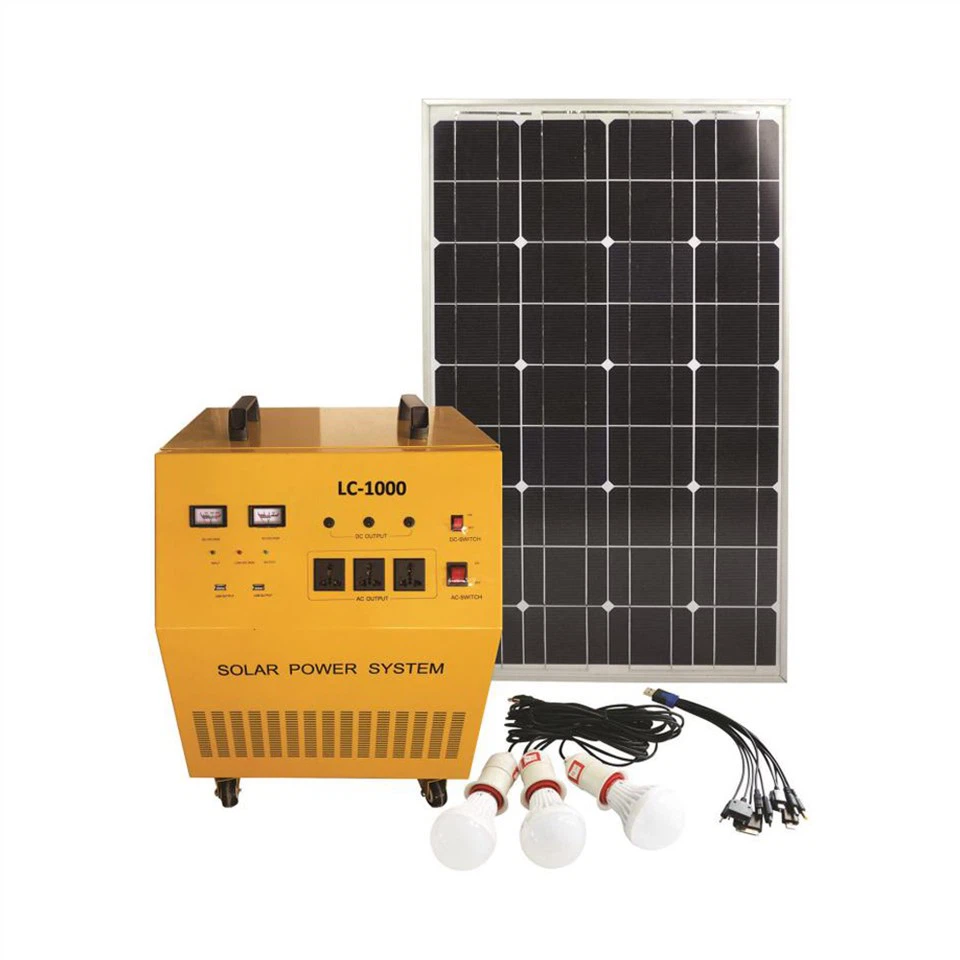
Moreover, the concept of energy independence is becoming more and more appealing to homeowners. By installing a Home Solar Energy Storage System, households can reduce their dependence on the traditional power grid, which is often subject to price fluctuations and power outages. This long - term cost stability is an important economic factor driving the expansion of household energy storage systems.

Environmental Imperatives
The environmental benefits of household energy storage systems cannot be overstated. With the increasing concern about climate change and the need to reduce greenhouse gas emissions, the transition to renewable energy sources is crucial. Solar energy is one of the most abundant and cleanest sources of energy, but its intermittent nature has been a challenge. Household energy storage systems can address this issue by storing the excess solar energy generated during the day for use when the sun is not shining.
By using a Domestic Solar Energy Storage Systems, households can significantly reduce their carbon footprint. Instead of relying on fossil - fuel - based electricity from the grid, they can use the stored clean energy. This not only helps in the fight against climate change but also contributes to a cleaner and healthier environment.
In addition, the widespread adoption of household energy storage systems can also reduce the strain on the power grid. During peak demand periods, the stored energy can be released to the grid, reducing the need for additional power generation from fossil - fuel power plants. This can lead to a more stable and sustainable energy infrastructure.
Market Demand and Future Outlook
The market demand for household energy storage systems is on the rise. As more consumers become aware of the benefits of energy storage, the demand is expected to continue to grow. In addition to individual homeowners, businesses and communities are also showing interest in these systems. For example, small businesses can use energy storage to reduce their operating costs and improve their energy reliability. Community - based energy storage projects can also be established to provide energy security for a group of households.
The expansion of the electric vehicle (EV) market is also creating new opportunities for household energy storage systems. EVs require a significant amount of energy for charging, and household energy storage can be used to store the energy for EV charging. This integration of EVs and energy storage can further enhance the value proposition of household energy storage systems.
Looking ahead, the future of household energy storage systems is bright. The combination of technological advancements, economic incentives, environmental imperatives, and growing market demand provides a strong foundation for expansion. However, there are still some challenges that need to be addressed. These include the need for standardization of energy storage systems, improved grid integration, and public awareness.
Contact for Procurement and Collaboration
If you're interested in exploring the possibilities of Solar System For Home With Battery for your household or business, I encourage you to reach out. As a leading supplier of household energy storage systems, we have the expertise and experience to provide you with high - quality products and customized solutions. Whether you're looking to reduce your energy costs, increase your energy independence, or contribute to a more sustainable future, we can help. Contact us today to start the conversation about your energy storage needs.
References
- "Battery Energy Storage Technology for Power Systems - An Overview" by X. Lu, et al.
- "Economic Analysis of Residential Energy Storage Systems" by M. Sioshansi.
- "Renewable Energy and Energy Storage: A Path to a Sustainable Future" by International Renewable Energy Agency.