





What You Need to Know Before Buying a Modified Sine Wave Inverter
 Mar 06, 2025|
 Modified sine wave inverters are widely used for converting DC power into AC power for various household and small business applications. They offer a more cost-effective solution compared to pure sine wave inverters. However, before making a purchase, it is important to understand the specific factors that affect their performance and compatibility with the devices you plan to power. This article will provide key information on how to assess inverter performance, what devices are suitable for use with modified sine wave inverters, and how to select the right one for your needs.
How to Assess the Performance of a Modified Sine Wave Inverter?
Before buying a modified sine wave inverter, understanding its performance specifications is critical to ensuring it meets your requirements. The performance of an inverter depends on several key factors, including power rating, efficiency, and waveform output. Let's explore each of these in detail.
Power Rating: What is the Right Capacity for Your Needs?
The first aspect to consider when assessing the performance of a modified sine wave inverter is the power rating. This typically includes both the continuous (rated) power and the peak (surge) power. The continuous power is the amount of power the inverter can supply consistently, while the peak power is the maximum amount it can handle for short bursts, such as when an appliance starts up.
For example, if you are looking to power a small refrigerator, you need to ensure that the inverter can handle its surge power at startup in addition to its regular running power. Always choose an inverter with a power rating higher than the combined wattage of the devices you intend to use to avoid overloading. A general rule of thumb is to select an inverter that can provide 20-30% more power than the devices require.
Efficiency: How Much Energy Will the Inverter Consume?
Inverter efficiency refers to the percentage of DC power that is successfully converted into usable AC power. A highly efficient inverter will waste less energy in the form of heat and will provide more usable power for the devices connected to it. Modified sine wave inverters typically have lower efficiency compared to pure sine wave inverters due to the shape of their output waveform, but their efficiency still tends to be sufficient for most basic applications.
It's important to check the efficiency rating of the inverter, especially if you plan to run multiple devices or rely on it for extended periods. Inverters with higher efficiency ratings are particularly beneficial for long-term use and can help reduce energy consumption over time.
Waveform Output: What Are the Implications of a Modified Sine Wave?
One of the defining characteristics of modified sine wave inverters is their waveform output. These inverters generate a waveform that is a stepped approximation of a pure sine wave, unlike pure sine wave inverters, which produce a smooth and continuous sine wave. This stepped waveform is often sufficient for basic appliances, but it may not be compatible with all devices.
The output waveform impacts the performance of sensitive electronics. Devices like microprocessor-controlled equipment, medical devices, and some audio equipment may not function optimally with a modified sine wave inverter. Therefore, understanding the limitations of the waveform is crucial for selecting an inverter that will work efficiently with the intended appliances.
Which Devices are Suitable for Use with a Modified Sine Wave Inverter?
Modified sine wave inverters are ideal for powering devices that do not require precise waveform control. For many household appliances, they can serve as a cost-effective power solution. However, some devices are less compatible with this type of inverter due to their sensitivity to the waveform distortion. Here's a breakdown of which devices are suitable for use with a modified sine wave inverter and which ones you should avoid.
Suitable Devices: What Appliances Work Well with a Modified Sine Wave Inverter?
Lighting Equipment: Basic lighting systems, such as incandescent bulbs or most LED lights, can function without issues when powered by a modified sine wave inverter. Since they don't rely on complex electronics for operation, they do not suffer from waveform distortion.
Fans and Ventilation Systems: Simple devices like ceiling fans or box fans typically work well with modified sine wave inverters. These devices generally do not require the smooth, continuous waveform provided by pure sine wave inverters.
Small Kitchen Appliances: Basic kitchen appliances, such as toasters, blenders, and coffee makers, usually operate well with a modified sine wave inverter. These devices rely on simple motors or heating elements that do not require a pure sine wave input.
Power Tools: Many power tools, such as drills, saws, and vacuum cleaners, are designed to work with modified sine wave inverters. However, it is important to consider the surge power requirements of these devices to ensure the inverter can handle the initial power draw during startup.
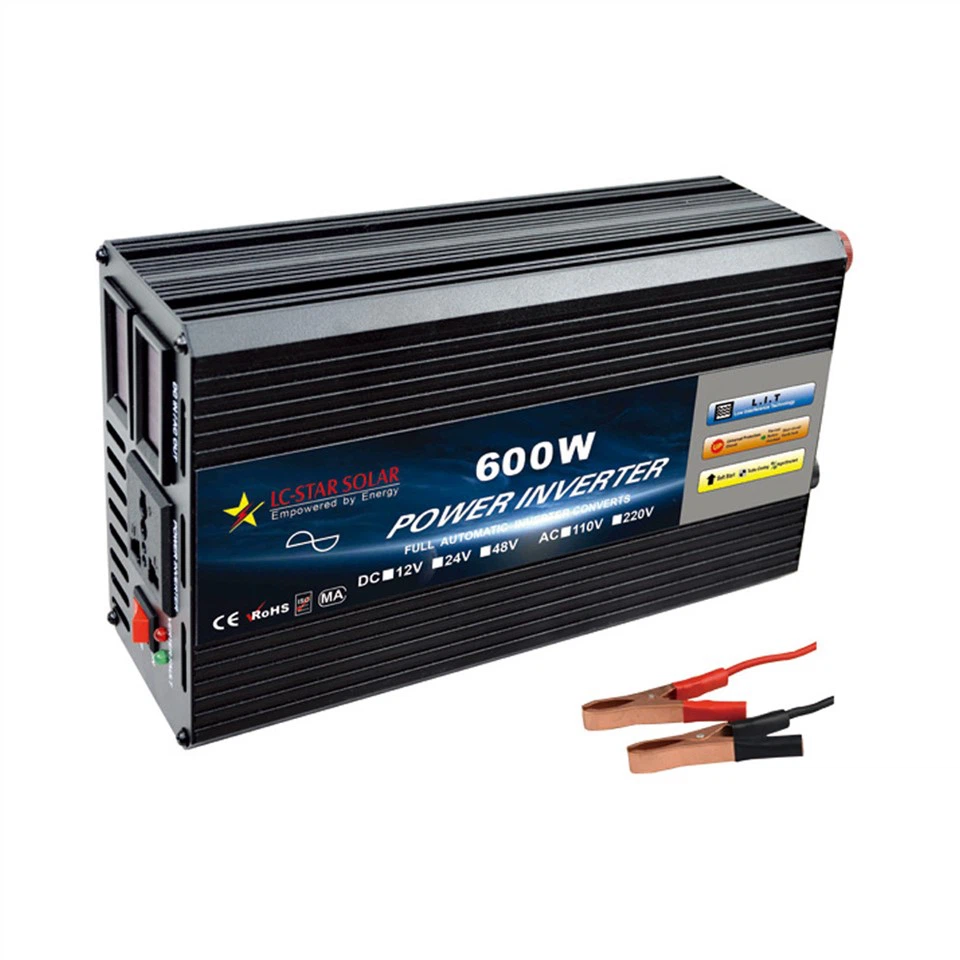
Devices to Avoid: What Appliances Are Not Suitable for a Modified Sine Wave Inverter?

Sensitive Electronics: Computers, televisions, and high-fidelity audio equipment are generally not compatible with modified sine wave inverters. These devices depend on a clean, smooth sine wave to function correctly, and the distortion in the modified sine wave can lead to malfunction, overheating, or even permanent damage.
Medical Equipment: Medical devices such as CPAP machines, oxygen concentrators, and other equipment requiring precise voltage and waveform control should not be powered by a modified sine wave inverter. The distortion could lead to erratic behavior or failure to operate.
High-Performance Motors
Devices like air conditioners, refrigerators, and pumps, which use induction motors, may operate less efficiently with a modified sine wave inverter. While they might still run, they may experience more wear and tear and could run less smoothly than when powered by a pure sine wave inverter.
When selecting a modified sine wave inverter, it's important to consider several factors to ensure that you choose an inverter that best meets your needs. Here are some key considerations to help you make an informed decision.
Power Requirements: What Size Inverter Do You Need?
The first step is to calculate the total power requirement for the devices you want to power. This includes both the running power (wattage) and the surge power (peak wattage). Make sure the inverter you choose can handle both the continuous load and the peak surge without overloading.
If you plan to use the inverter for a variety of devices, it's a good idea to select an inverter with a higher power rating than you initially think you'll need. This ensures that the inverter can handle unexpected increases in power demand, such as when motors start or devices are switched on.
Battery Compatibility: What Type of Batteries Should You Use?
Inverters require a DC power source, typically provided by batteries. Make sure the inverter you choose is compatible with the type of battery you have or plan to use. Common types of batteries used with inverters include lead-acid, AGM, and lithium-ion. Check the inverter's voltage and current requirements to ensure compatibility with your battery setup.
Durability and Reliability: How Long Will the Inverter Last?
Look for inverters that are designed for long-term use and have good durability ratings. Inverters can be subject to wear and tear, especially when they operate continuously, so investing in a reliable and durable unit is important. Consider the warranty and customer support options available, as well as user reviews, to gauge the long-term reliability of the product.
Budget: How Much Should You Spend?
While modified sine wave inverters are typically more affordable than pure sine wave inverters, the price can still vary depending on the power rating and features. It's important to strike a balance between cost and performance. If your budget is tight, a modified sine wave inverter can be a great option for running basic devices, but make sure to avoid purchasing a low-quality inverter that may fail prematurely.
Choosing the right modified sine wave inverter is essential to ensure reliable and efficient power for your appliances. By understanding the key performance parameters, identifying compatible devices, and carefully selecting an inverter that meets your power requirements, you can make an informed decision that suits your needs. Always consider the inverter's power capacity, efficiency, and compatibility with your devices before making a purchase. With the right knowledge and preparation, you can ensure that your inverter will provide stable and safe power for years to come.
Sources:
"Modified Sine Wave vs Pure Sine Wave Inverters," Solar Power World.
"Choosing the Right Inverter," EnergySage.