





What is a Modified Sine Wave Inverter and How Does it Work?
 Mar 04, 2025|
Inverters are essential devices that convert direct current (DC) power into alternating current (AC) power, making it usable for various applications. While there are different types of inverters available in the market, the modified sine wave inverter stands out due to its affordability and widespread use in specific applications. In this article, we will explore what a modified sine wave inverter is, how it works, and where it is commonly used.

What is a Modified Sine Wave Inverter?
A modified sine wave inverter is a device that converts DC power (typically from sources like batteries or solar panels) into AC power, but the waveform it produces is not a perfect sine wave. Instead, the output waveform is a stepped approximation of a sine wave.
To understand this, it's important to contrast modified sine wave inverters with pure sine wave inverters. A pure sine wave inverter generates a smooth, continuous sine wave, which is identical to the AC power provided by the grid. This type of output is ideal for sensitive equipment like computers, audio systems, or medical devices that require a steady, clean power supply.
On the other hand, a modified sine wave inverter generates a less smooth waveform. It steps between a positive and negative voltage, forming a series of flat peaks. While it is not as refined as a pure sine wave, it is still capable of powering many household devices and smaller appliances, particularly those that do not require precise voltage characteristics.
The primary reason people choose modified sine wave inverters is cost. They are typically much cheaper than pure sine wave inverters, making them an attractive option for users on a budget or for non-sensitive applications.
How Does a Modified Sine Wave Inverter Work?
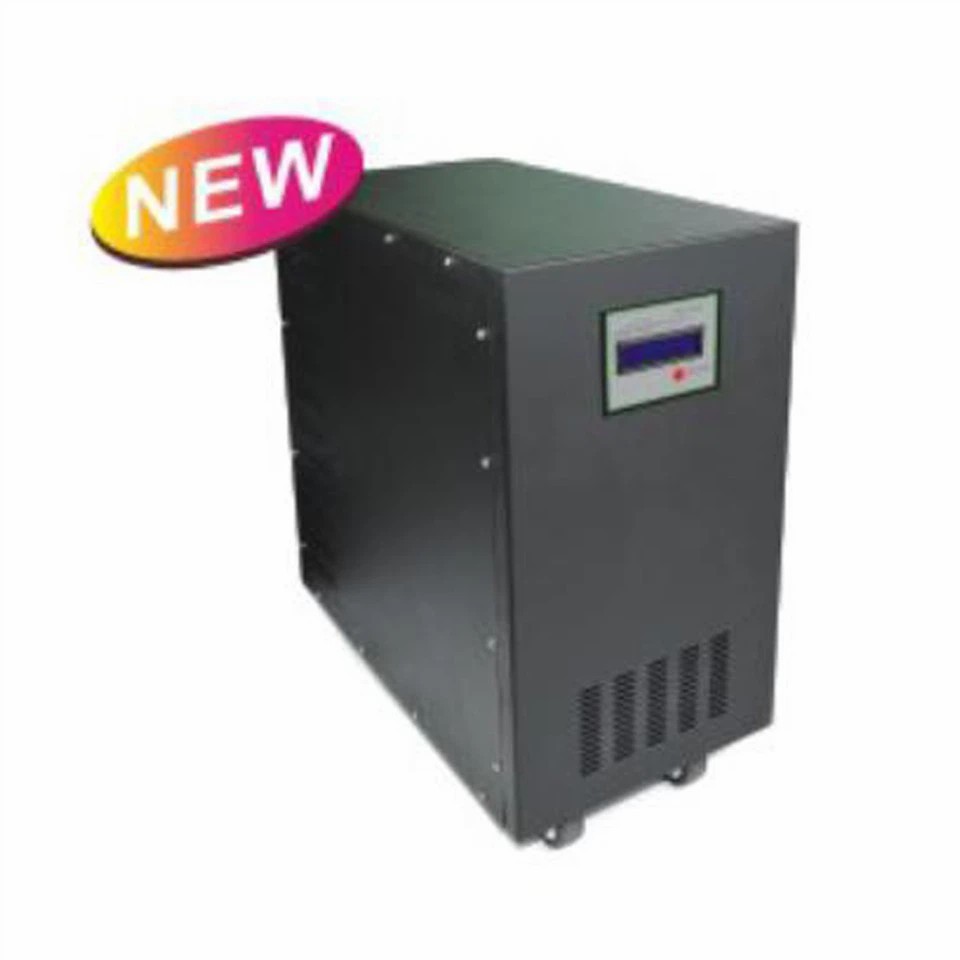
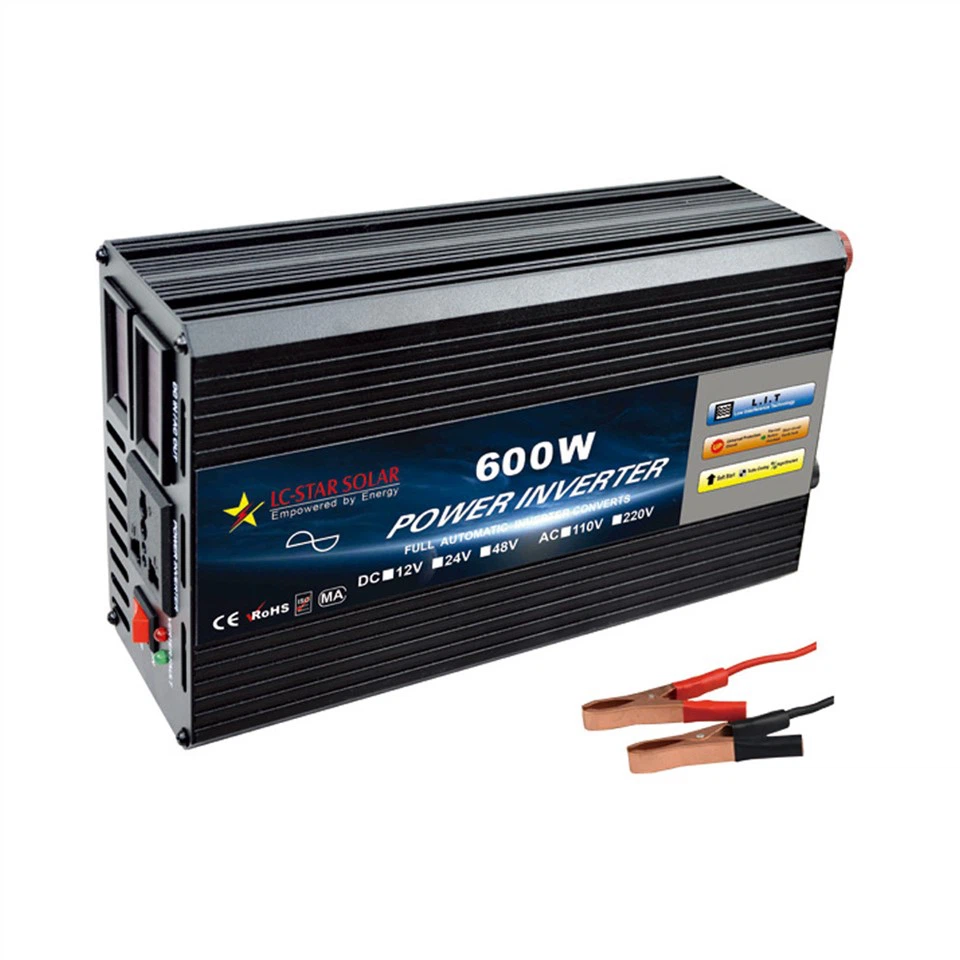
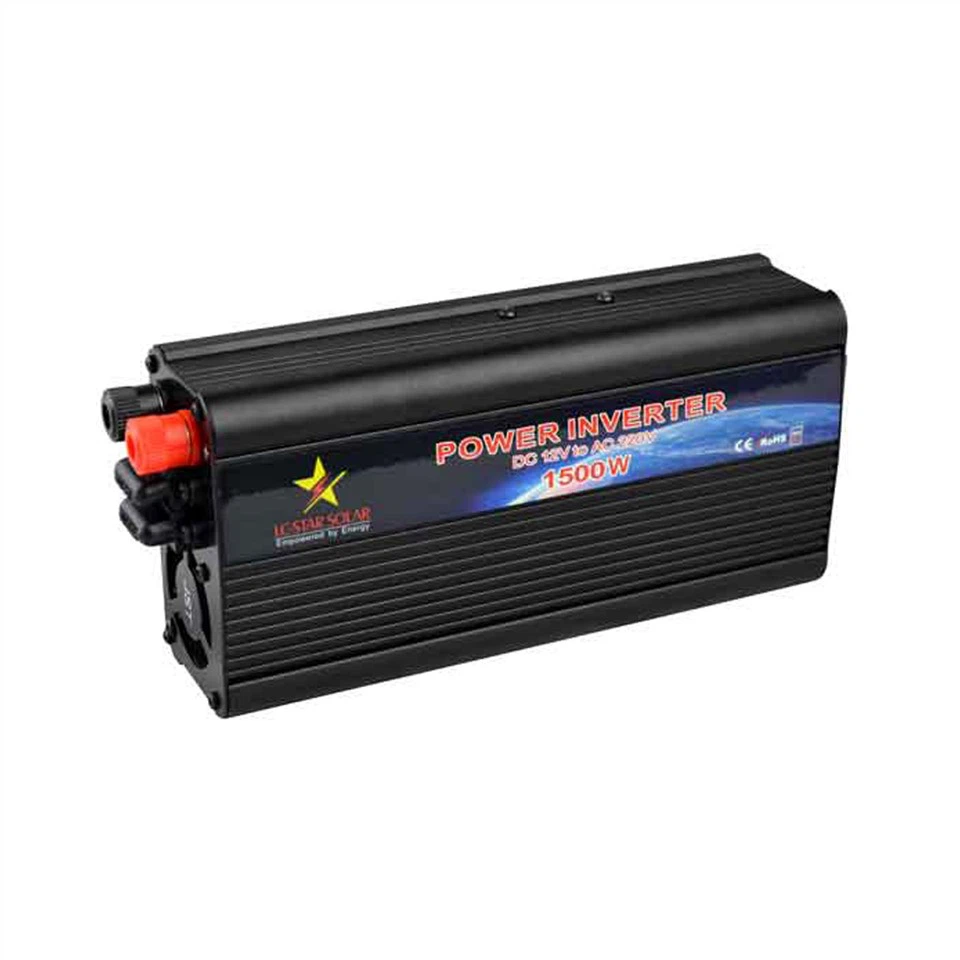
Internal Components of an MSWIThe working principle of a modified sine wave inverter is relatively straightforward but involves a few key steps. Here's how it operates:

DC Input: The inverter first receives DC power, which could be from various sources such as solar panels, batteries, or a vehicle's electrical system.
DC to AC Conversion: The core function of the inverter is to change the direct current (DC) into alternating current (AC). In a modified sine wave inverter, this process is achieved using electronic switches (transistors or MOSFETs) that rapidly switch the DC current on and off. The switching is done in such a way that the output voltage alternates between positive and negative in a step-like fashion, forming a rough approximation of a sine wave.
Waveform Shaping: While the waveform produced is not as smooth as the one produced by a pure sine wave inverter, the electronic circuitry inside the inverter makes sure the steps are evenly spaced and predictable. This makes it suitable for many devices that do not rely on a perfectly smooth AC signal.
AC Output: Once the DC power is converted into the modified AC waveform, it is output to the device or appliance that needs power. The result is that most standard household devices can operate using this kind of power, although some devices may experience a slight performance drop or additional noise.
The key benefit of this design is its simplicity. Modified sine wave inverters do not require as complex circuitry as pure sine wave inverters, making them cheaper to produce and maintain.
Where is a Modified Sine Wave Inverter Commonly Used?
Modified sine wave inverters are most commonly found in applications where the power requirements are not highly sensitive and where cost is a major consideration. Here are some of the typical use cases:
Household Appliances: Many basic household appliances like fans, lights, and refrigerators can run on modified sine wave power. These devices are generally not sensitive to fluctuations in the AC waveform and can operate efficiently on this type of output.
Powering Small Equipment: Modified sine wave inverters are often used to power small tools or devices like power drills, blenders, or vacuums. These tools don't require high-quality power and can function well with the stepped waveform produced by modified sine wave inverters.
Mobile and Off-Grid Applications: Modified sine wave inverters are frequently used in off-grid systems, RVs, and boats, where energy storage is limited and the cost of the inverter needs to be kept low. These applications typically use energy for less demanding devices such as lights, small appliances, or charging devices.
Emergency Backup Systems: In emergency situations, such as power outages, modified sine wave inverters can provide backup power for essential devices like lights and communications equipment. The affordability of these inverters makes them a viable choice for those seeking an emergency power solution without the need for premium equipment.
A modified sine wave inverter is a practical solution for converting DC power into AC power at a lower cost. While it is not suitable for all devices-especially those requiring clean, precise power like medical equipment or high-end electronics-it serves well in many everyday applications, such as powering basic household appliances, small tools, and off-grid systems.
Its simplicity, affordability, and wide availability make it a popular choice for those with limited budgets or those needing to power devices that don't rely on a perfect sine wave output. When selecting an inverter, it is important to consider the type of devices being powered to ensure compatibility with the type of waveform being produced.
Modified sine wave inverters are an excellent choice for many users looking for a cost-effective and reliable solution for their power needs.