





Everything You Need To Know About Solar Panels
 Apr 03, 2025|
Basic knowledge of solar panels

Working principle of solar panels
Solar panels convert sunlight into electrical energy through the photovoltaic effect. When sunlight hits the surface of the solar panel, photons hit the material of the panel, exciting the electrons in it and generating an electric current. This process is completed by the flow of electrons within the silicon material, and finally forms electrical energy.
Solar panels are mainly divided into three types: Monocrystalline silicon solar panels, polycrystalline silicon solar panels and thin-film solar panels.
Monocrystalline silicon solar panels: Using high-purity monocrystalline silicon materials, with high photoelectric conversion efficiency, usually between 15% and 22%. Its advantages are high efficiency and long service life, suitable for places with limited space and high efficiency. The disadvantage is high manufacturing cost.
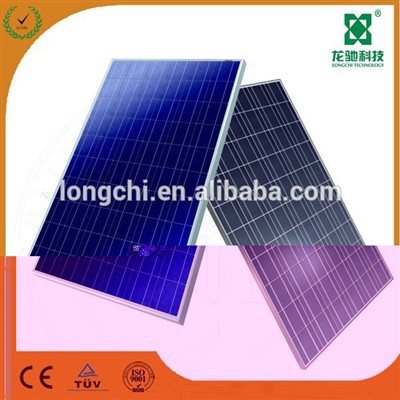
Polycrystalline silicon solar panels: Made of multiple silicon wafers spliced together, compared with monocrystalline silicon, its manufacturing cost is lower, but the photoelectric conversion efficiency is lower, usually between 12% and 18%. Suitable for large-scale solar power generation projects, especially under limited budgets.
Thin-film solar panels: Made of thin-film materials (such as copper indium gallium selenide or amorphous silicon), although the photoelectric conversion efficiency is low, its flexibility and plasticity give it unique advantages in some special scenarios (such as curved buildings or portable solar products). The manufacturing cost of thin-film panels is relatively low.
Performance parameters of solar panels
The performance parameters of solar panels include power, efficiency, voltage and current. These parameters reflect the power generation capacity of the panel under different conditions.
Power
The maximum power of a solar panel (usually measured in watts) indicates the amount of electricity it can generate under ideal conditions. Generally, the higher the power, the larger the panel and the more electricity it generates.

Efficiency
Efficiency refers to the ratio of light energy that a solar panel can convert into electrical energy. Panels with higher efficiency can generate more electricity under the same sunlight conditions.

Voltage and current
Voltage and current indicate the voltage and current intensity of the power output by the solar panel, respectively. These parameters help determine the compatibility of the panel with other electrical equipment (such as inverters, batteries, etc.)
Life and maintenance of solar panels
The life of a solar panel is usually around 25 years. Factors that affect the life of solar panels include environmental conditions (such as temperature and humidity), installation methods, and the quality of the panels themselves. Daily maintenance and care can extend the service life of solar panels. Regularly cleaning the surface of the panels to ensure that there is no dust and dirt blocking the light is the key to keeping the panels running efficiently.
Application of solar panels
Solar panels are widely used in residential solar power generation systems. They are mainly installed on roofs to convert solar energy into electricity for household use. The installation of rooftop solar power generation systems needs to consider factors such as the area, orientation, and angle of the roof. Although the initial investment is high, in the long run, solar energy systems can greatly reduce electricity bills and bring considerable economic benefits.
Grid-connected and off-grid systems: Grid-connected solar systems input electricity into the public grid, while off-grid systems operate independently of the grid and usually require battery storage systems.
Economic benefit analysis: The economic benefits of solar power generation systems are usually reflected in long-term electricity bill savings and possible government subsidies. Differences in solar energy resources and electricity prices in different regions will affect the system's investment payback period.
In the commercial and industrial sectors, solar panels are used in large solar power systems. These systems are usually invested and built by enterprises or power companies with the goal of reducing dependence on traditional energy sources by providing clean electricity while reducing energy costs.
Large solar power stations can be connected to the grid through a grid-connected system to supply power to the grid. In addition, solar panels are also widely used in energy supply in industrial production, such as solar systems on the tops of some factories, warehouses and other buildings.
In addition to power generation, solar panels are also widely used in other fields. For example, solar street lights use solar panels to provide power for lamps without relying on traditional power grids, saving energy costs. Solar water pumps are widely used in agricultural irrigation, especially in remote areas without power grid coverage. Solar chargers provide a convenient source of electricity for outdoor activities. Solar panels also play an important role in aerospace, transportation and other fields, providing reliable green electricity.
Purchase and installation of solar panels

How to choose the right solar panel
Power demand: Choose the right panel power according to the power consumption of the home or business.
Installation area: Choose panels of the right size to maximize the use of available space.
Budget: Different types of solar panels have different prices, so choose the most suitable type according to your budget.
It is also very important to choose a reliable supplier and brand to ensure the quality of the panels and after-sales service.
Precautions for installing solar panels
When installing solar panels, first choose the right location and angle. Solar panels should be shielded as much as possible and preferably face due south to get maximum sunlight. Also pay attention to safety during installation to ensure that the connection between the panels and the electrical system meets the specifications.

The environmental significance of solar panels
Environmental advantages of solar power generation
The biggest environmental advantage of solar power generation is to reduce dependence on fossil fuels and reduce carbon emissions. Using solar panels instead of traditional energy not only reduces greenhouse gas emissions, but also reduces air and water pollution, which is in line with global sustainable development goals.
The impact of solar power generation on sustainable development
Solar power generation promotes the transformation of clean energy and provides a solution to climate change. By increasing energy self-sufficiency, solar energy can enhance energy security, reduce dependence on external energy, and promote the green transformation of the global energy structure.
As a core technology of clean energy, solar panels are making important contributions to global sustainable development.