





Off Grid Solar Energy Systems: Improving Green Energy Solutions
 Apr 03, 2025|
In recent years, Off Grid Solar Energy Systems have emerged as a viable and sustainable alternative for energy production. These systems operate independently of the main grid, offering significant benefits to users seeking energy independence, sustainability, and cost savings. In this article, we will explore what Off Grid Solar Energy Systems are, their key components, their advantages and applications, and future trends in the field.
An off-grid solar system is a power generation device that operates independently of the public grid. Unlike grid-connected solar systems, which are connected to the grid and can export excess power, Off Grid Solar Energy Systems operate autonomously and are only available to users.
How do Off Grid Solar Energy Systems work?
An off-grid solar system works by converting sunlight into usable electricity through solar panels. The electricity generated is stored in batteries for use when there is no sunlight, such as at night or on cloudy days. A charge controller regulates the current flowing to the battery, preventing overcharging or over-discharging. An inverter converts the stored direct current (DC) into alternating current (AC), which is used to power household appliances.
Key Components of Off Grid Solar Energy Systems
Solar Panels: Solar panels are the heart of an off-grid solar system. They capture sunlight and convert it into direct current electricity. The number and size of panels depends on the energy needs of the system and the amount of sunlight the site receives.
Charge Controller: The charge controller regulates the flow of electricity from the solar panels to the battery bank. It ensures that the battery is charged efficiently and safely, preventing overcharging and deep discharge, which can shorten the battery life.
Battery Bank: Batteries store the electricity generated by solar panels for use when there is no sunlight. These storage systems allow users to have a continuous supply of electricity even at night or in bad weather.
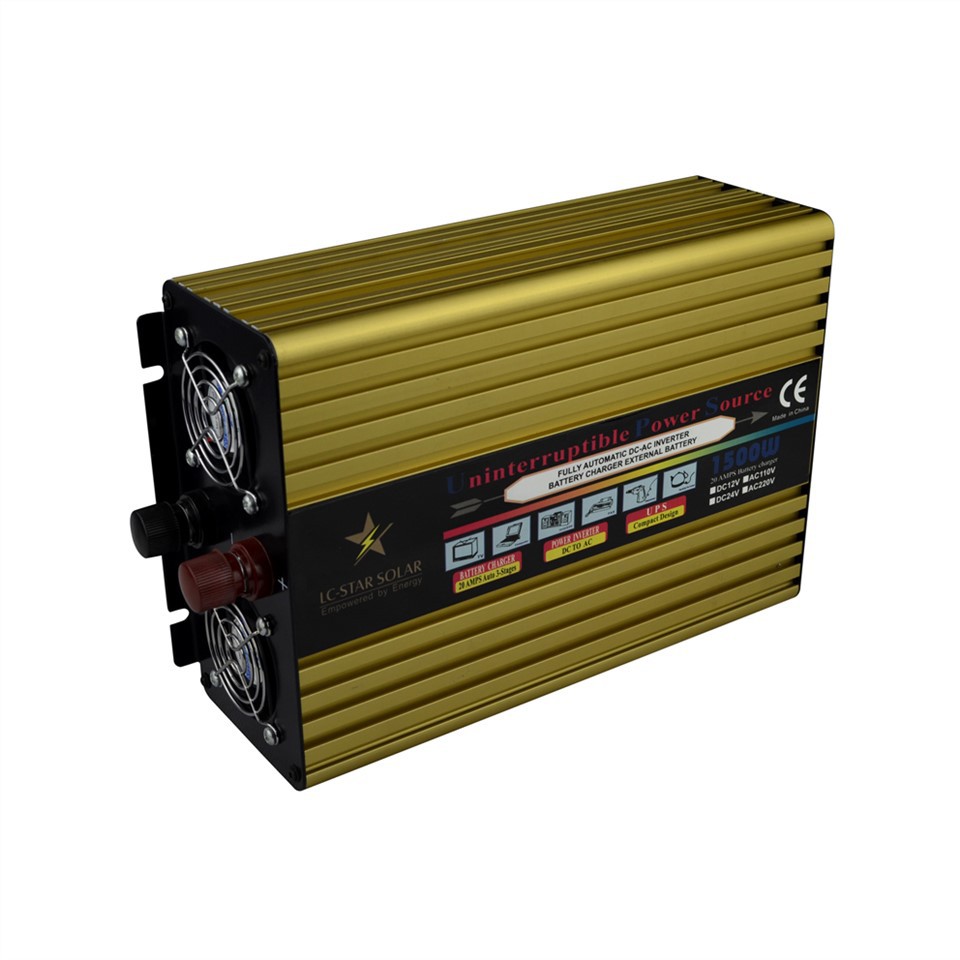
Inverter: An inverter converts the direct current stored in the battery into alternating current, the standard form of power used by most home appliances and devices. Inverters come in a variety of sizes, depending on the user's power needs.
Other Ancillary Components: In addition to the main components, Off Grid Solar Energy Systems also include supporting equipment such as mounting structures, wiring, protection devices, and system monitoring tools to ensure the system operates safely and efficiently.
Advantages and Applications of Off Grid Solar Energy Systems
Energy independence: Off Grid Solar Energy Systems allow users to break away from dependence on the public grid and have full control over their own electricity supply. This is especially valuable in remote areas or places where the grid is unreliable.
Environmental benefits: Solar energy is a clean, renewable resource. By utilizing Off Grid Solar Energy Systems, users can reduce their carbon footprint and contribute to the global fight against climate change.
Cost savings: Although the initial investment in an off-grid solar system may be high, the savings on electricity bills in the long run are significant. This is especially true in areas where electricity costs are high or the cost of connecting to the grid is too high.
Remote areas: Off Grid Solar Energy Systems are ideal for remote areas, such as mountains, islands, or deserts, where connecting to the public grid is too expensive or impractical. These systems provide essential electricity to homes, schools, hospitals, and businesses in these off-grid areas.
Mobile applications: Off Grid Solar Energy Systems can also be used in mobile environments, such as RVs, boats, and remote field operations. These systems power lights, appliances, and other electronic devices, making them ideal for outdoor enthusiasts, travelers, and professionals working in isolated environments.
Emergency backup power: Off Grid Solar Energy Systems can serve as emergency backup power in the event of a natural disaster or grid failure. These systems provide reliable power to homes, healthcare facilities, schools, and other essential services during power outages.
The future of Off Grid Solar Energy Systems


Technological advances
◆ Increasing efficiency of solar panels: As solar panel technology continues to advance, solar cell efficiency is expected to increase, allowing off-grid systems to generate more power using fewer panels.
◆ Cost reduction: The cost of solar panels, batteries, and inverters has been steadily decreasing, making Off Grid Solar Energy Systems affordable to a wider range of consumers.
◆ Battery storage innovation: Advances in battery storage technology, including lithium-ion and solid-state batteries, are expected to improve the performance, capacity, and life of storage systems.
◆ Smart control systems: The integration of smart control systems is becoming more common, which can optimize energy use and remotely monitor system performance. These systems provide users with better control and efficiency.
Expanded applications
◆ Off Grid Solar Energy Systems are expected to find applications in new areas such as agriculture, transportation, and industrial operations. For example, off-grid systems can power irrigation systems, electric vehicles, and remote factories, expanding the role of solar energy in various industries.
Integration with energy storage and microgrids
◆ The integration of Off Grid Solar Energy Systems with energy storage solutions and microgrid technologies is becoming a major trend. A microgrid is a small energy network that can operate independently or in conjunction with the main grid, which can provide enhanced energy security and reliability to off-grid areas. By combining solar systems with these technologies, users can create resilient and sustainable energy solutions.
◆ Off Grid Solar Energy Systems are an effective and sustainable solution for people seeking energy independence, environmental sustainability, and cost savings. Key components of these systems include solar panels, charge controllers, batteries, inverters, etc., which can provide reliable and clean energy to users in remote areas, mobile applications, and emergency situations. As technology continues to advance, the future of Off Grid Solar Energy Systems is promising, with a growing range of applications and increasing efficiency and price potential.