





What Are Household Energy Storage Systems Used For?
 Feb 18, 2025|
In recent years, the rise in energy costs, environmental concerns, and technological advancements have made Household Energy Storage Systems (HESS) increasingly popular. These systems are designed to store excess energy produced from renewable sources or during off-peak times, and they can provide numerous benefits to homeowners. As we transition to greener, more sustainable energy practices, understanding how HESS can be used to manage energy more efficiently is crucial. In this article, we will explore the key uses of Household Energy Storage Systems, shedding light on their role in improving energy efficiency, providing backup power, supporting renewable energy integration, regulating electricity demand, enhancing energy independence, and more.
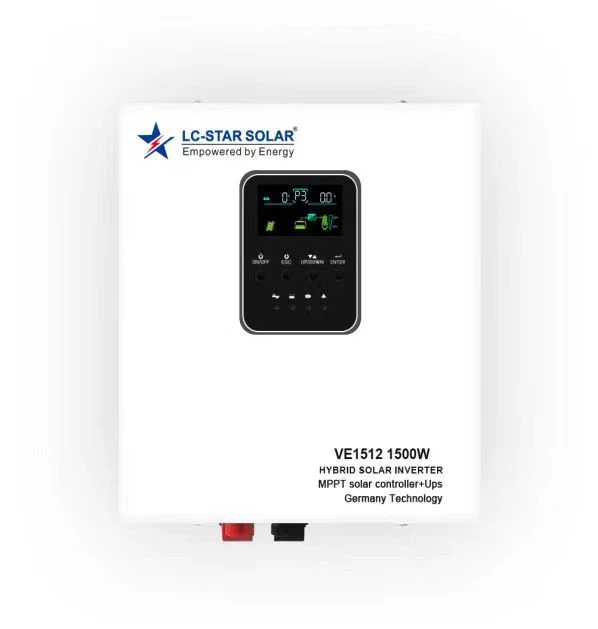
How Do Household Energy Storage Systems Improve Energy Efficiency?
Household Energy Storage Systems primarily serve to enhance energy efficiency by storing excess energy generated from renewable sources such as solar panels and wind turbines. During the day, solar panels may produce more energy than a household needs. Rather than letting this excess energy go to waste, it can be stored in a battery system for later use.
By storing energy in a battery, homeowners can use it during periods when energy demand is higher or when renewable energy production is low, such as at night or on cloudy days. This reduces reliance on the grid, which may draw on fossil fuels to meet energy demand. Over time, this results in a reduction in electricity costs and increases overall energy efficiency. Energy storage systems also help in minimizing energy wastage, contributing to a more sustainable lifestyle.
Can Household Energy Storage Systems Provide Backup Power?
One of the most compelling reasons for adopting a Household Energy Storage System is its ability to provide backup power during grid outages. Power outages can occur due to various reasons, such as extreme weather conditions, equipment failure, or grid maintenance.
In such situations, HESS can play a critical role by supplying stored electricity to power essential household devices like lights, refrigerators, medical equipment, and heating systems. For example, if a family relies on electric-powered medical equipment for health reasons, having a backup power source becomes vital. A well-designed energy storage system ensures that these essential devices remain operational even when the grid is down, offering peace of mind and greater resilience in times of uncertainty.
How Do Household Energy Storage Systems Support Renewable Energy Integration?
As the world increasingly shifts towards renewable energy, the integration of solar and wind power into residential energy systems has become more common. However, renewable energy sources can be intermittent, with solar energy only being generated during the day and wind energy fluctuating.
Energy storage systems help bridge this gap by capturing excess energy during peak production times and storing it for later use. This not only ensures a steady supply of electricity but also contributes to the reliability of renewable energy systems. For example, a household with solar panels can use energy storage to ensure that they continue to have power at night or during cloudy weather, maximizing the effectiveness of the solar system. In this way, HESS enhances the practicality of renewable energy sources, encouraging more households to adopt clean energy solutions.
How Do Household Energy Storage Systems Regulate Electricity Demand?
Another important use of Household Energy Storage Systems is in regulating electricity demand, particularly during peak hours. Electricity prices tend to fluctuate throughout the day, with peak demand times, such as in the evening when most households use appliances, typically leading to higher costs.
Energy storage systems can help homeowners mitigate these high costs by charging their batteries during off-peak hours, when electricity prices are lower, and discharging the batteries during peak hours, when electricity prices are higher. This practice, known as peak shaving, can significantly reduce the overall energy bill for households. It also reduces the strain on the grid during periods of high demand, contributing to a more stable and balanced energy system.
How Do Household Energy Storage Systems Enhance Energy Independence?
Energy independence is a key concern for many homeowners, particularly in areas prone to power outages or where electricity prices are volatile. Household Energy Storage Systems give homeowners greater control over their energy consumption by allowing them to generate, store, and use their own power.
By combining an energy storage system with renewable energy sources like solar panels, homeowners can achieve a high degree of energy autonomy. This reduces reliance on the local utility company and lessens exposure to rising energy prices. In addition to providing financial savings, this increased independence also contributes to a more sustainable lifestyle, as homeowners are less dependent on fossil fuel-based energy.
What Are the Future Trends in Household Energy Storage?
As technology continues to advance, the future of Household Energy Storage Systems looks promising. Innovations in battery technology, such as the development of solid-state batteries and improvements in energy density, are expected to enhance the performance and affordability of energy storage systems.
Smart home integration is also becoming more prevalent, allowing homeowners to control and optimize their energy storage systems remotely. Advanced systems can learn a household's energy usage patterns, adjusting charging and discharging cycles to maximize efficiency and savings. As energy grids become smarter and more decentralized, energy storage will play an increasingly important role in creating a more resilient and sustainable energy infrastructure.
Household Energy Storage Systems offer significant advantages, from improving energy efficiency and providing backup power to supporting renewable energy integration and enhancing energy independence. By storing excess energy for later use, these systems reduce electricity costs, increase reliability, and contribute to a greener, more sustainable energy future. As technology continues to evolve, the potential uses of Household Energy Storage Systems will only increase, providing homeowners with even more ways to manage their energy consumption effectively.
Sources:
U.S. Department of Energy, Energy Storage for Renewables: Benefits and Market Potential
National Renewable Energy Laboratory, Energy Storage and Renewables Integration