





How to Choose the Right Pure Sine Wave Inverter for Your Solar Power System
 Feb 16, 2025|
 When it comes to solar power systems, choosing the right inverter is a critical decision. Among the various types of inverters, pure sine wave inverters stand out as the most reliable and efficient option for converting DC (direct current) energy generated by solar panels into AC (alternating current) energy, which is used to power most household appliances. This article will guide you through selecting the right pure sine wave inverter for your solar power system. We will cover essential factors such as inverter capacity, efficiency, compatibility, and battery backup capability, all of which will help you make an informed decision.
What Factors Should You Consider When Choosing a Pure Sine Wave Inverter for Your Solar Power System?
Choosing the right pure sine wave inverter for your solar power system depends on several key factors. Let's explore these factors in detail:
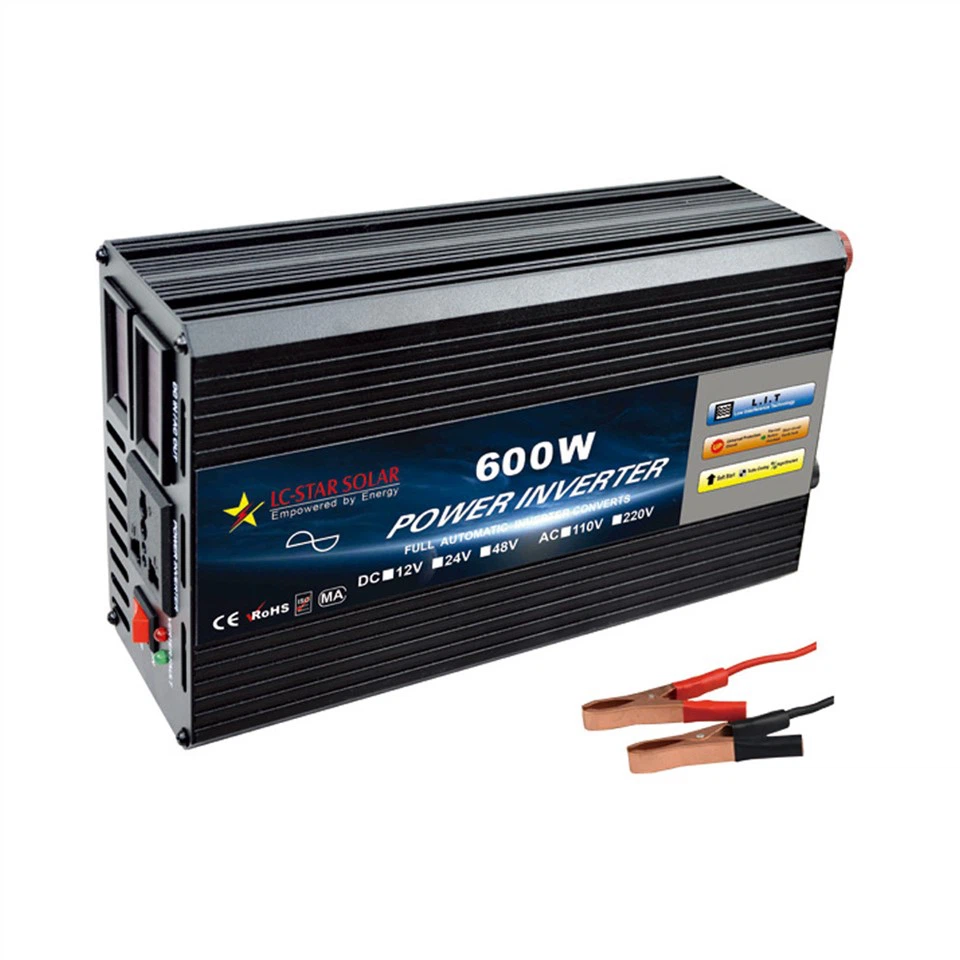
Inverter Capacity: How Much Power Do You Need?
The first step in choosing the right inverter is determining your solar system's power requirements. The inverter's capacity, typically measured in watts (W), should match or slightly exceed the total wattage of the appliances you plan to power. This ensures that the inverter can handle the maximum load without becoming overloaded.
To calculate your power needs, add up the wattage of all the devices you expect to run simultaneously. For instance, if you're running a refrigerator (300W), a TV (100W), and a few lights (50W each), the total power demand would be around 500W. It's a good practice to select an inverter with a capacity that is 20-30% higher than your total load to account for any spikes in power usage.
If you plan to expand your solar power system in the future or add more appliances, consider choosing an inverter with a higher capacity to accommodate additional power needs.
Efficiency Ratings: How Efficient Is the Inverter?
Efficiency is another crucial factor when selecting an inverter. The efficiency rating indicates how effectively the inverter converts DC power from your solar panels into usable AC power. The higher the efficiency, the less energy is lost during the conversion process.
Inverters typically have efficiency ratings ranging from 85% to 98%. A higher-efficiency inverter will provide better performance, reduce energy waste, and help maximize the overall output of your solar power system. However, keep in mind that inverters with very high efficiency may come at a premium price, so it's important to balance performance with your budget.


Grid Compatibility: Is the Inverter Compatible with the Grid?
If your solar power system is designed to operate in conjunction with the local electrical grid, you need to ensure that the inverter is grid-compatible. Grid-tied inverters are designed to synchronize with the utility grid, allowing excess solar energy to be fed back into the grid. This can potentially result in credits on your energy bill, depending on your utility provider's policies.
If you intend to operate your system in an off-grid setup, you'll need an inverter that is designed for standalone use. Off-grid inverters are typically paired with battery banks to store excess energy for use during periods of low solar production (such as at night or during cloudy weather).
It's important to select an inverter that matches the configuration of your solar system, whether grid-tied or off-grid, to ensure seamless integration and optimal performance.
Battery Backup Capability: Does the Inverter Support Batteries?
Many homeowners and businesses choose to incorporate battery backup systems with their solar power systems to ensure they have power during grid outages or at night. If you plan to add battery storage to your solar setup, it's essential to select an inverter that is compatible with battery banks.
Inverters with battery backup capability typically have a built-in charge controller that manages the charging and discharging of batteries. Some inverters are specifically designed for hybrid systems that can both feed energy to the grid and charge batteries simultaneously, while others are optimized for off-grid applications where batteries are the primary power source.
When selecting an inverter with battery backup capabilities, consider the type of battery technology you plan to use, such as lead-acid or lithium-ion, as some inverters are more compatible with certain battery types than others.

Installation and Maintenance Considerations: Is the Inverter Easy to Install and Maintain?
While most modern inverters are designed to be user-friendly and easy to install, some models may require professional installation due to their complexity or size. It's important to consider the installation requirements of the inverter you choose and ensure that it is compatible with your solar system's setup.
In addition to installation, consider the maintenance needs of the inverter. Many inverters have a long lifespan of 10-15 years, but regular maintenance is still required to keep them running efficiently. Make sure the inverter you choose has easy-to-access components for maintenance, and consider the warranty and customer support services provided by the manufacturer.
Cost Considerations: How Much Are You Willing to Spend?
The cost of a pure sine wave inverter can vary significantly depending on its capacity, efficiency, and features. While higher-quality inverters with better efficiency and advanced features may come at a higher price, they often provide better long-term value due to their reliability and performance.
It's important to establish a budget before selecting an inverter and ensure that the model you choose meets your power needs while remaining within your price range. Remember that the initial cost of the inverter is just one part of the overall cost of your solar power system. Consider the long-term savings on your energy bills and the potential for a reliable power supply when making your decision.
Choosing the right pure sine wave inverter for your solar power system is an essential step in maximizing the efficiency and performance of your renewable energy setup. By considering factors such as inverter capacity, efficiency, grid compatibility, battery backup capability, and cost, you can make an informed decision that best suits your energy needs.
While pure sine wave inverters may have a higher upfront cost compared to other types, their superior performance and compatibility with sensitive electronics make them a worthwhile investment in the long run. With careful consideration and planning, you can ensure that your solar power system operates efficiently and provides reliable power for years to come.