





How UPS Systems Work: A Deep Dive into Technology and Applications
 Jan 22, 2025|
In an increasingly digitized world, electrical power has become the lifeblood of nearly every aspect of human existence. From powering homes and offices to driving large-scale industrial operations and critical healthcare equipment, electricity sustains the modern way of life. However, one of the most formidable challenges of our technologically advanced world is power reliability. A sudden power outage can result in everything from the loss of precious data to costly downtime in industrial sectors. This is where Uninterruptible Power Supply (UPS) systems come into play, offering a seamless bridge between power disruption and restoration.
A UPS system is designed to provide a buffer against electrical interruptions, offering immediate backup power when the main supply fails. Whether for home use or large-scale industrial applications, these systems ensure that equipment continues to function without significant interruption. This article takes an in-depth look at how UPS systems operate, the technology behind them, and their widespread applications in various sectors.
What Is a UPS System?

Before diving into the specifics of UPS systems, it is essential to establish what exactly they are and what purpose they serve. Simply put, a UPS is a device that ensures an uninterrupted flow of power by supplying backup electricity during power disruptions or outages. It acts as an emergency power source, often providing enough time for systems to either shut down properly or switch to an alternative energy source.
The Core Functionality of a UPS
The primary function of a UPS system is to prevent the loss of data or potential damage to sensitive equipment. It achieves this by supplying power instantly after detecting an interruption in the main power supply. The system includes several components such as batteries, inverters, rectifiers, and control systems that work together to ensure a constant flow of power.
The most common UPS systems consist of three key parts:
Batteries: Store energy for backup use.
Inverters: Convert DC power from the batteries into AC power, which is usable by electrical devices.
Rectifiers: Transform AC power into DC power to recharge the batteries.
This interdependent relationship between the components enables a UPS to deliver immediate backup power in various situations, ensuring that crucial processes or equipment continue to function.
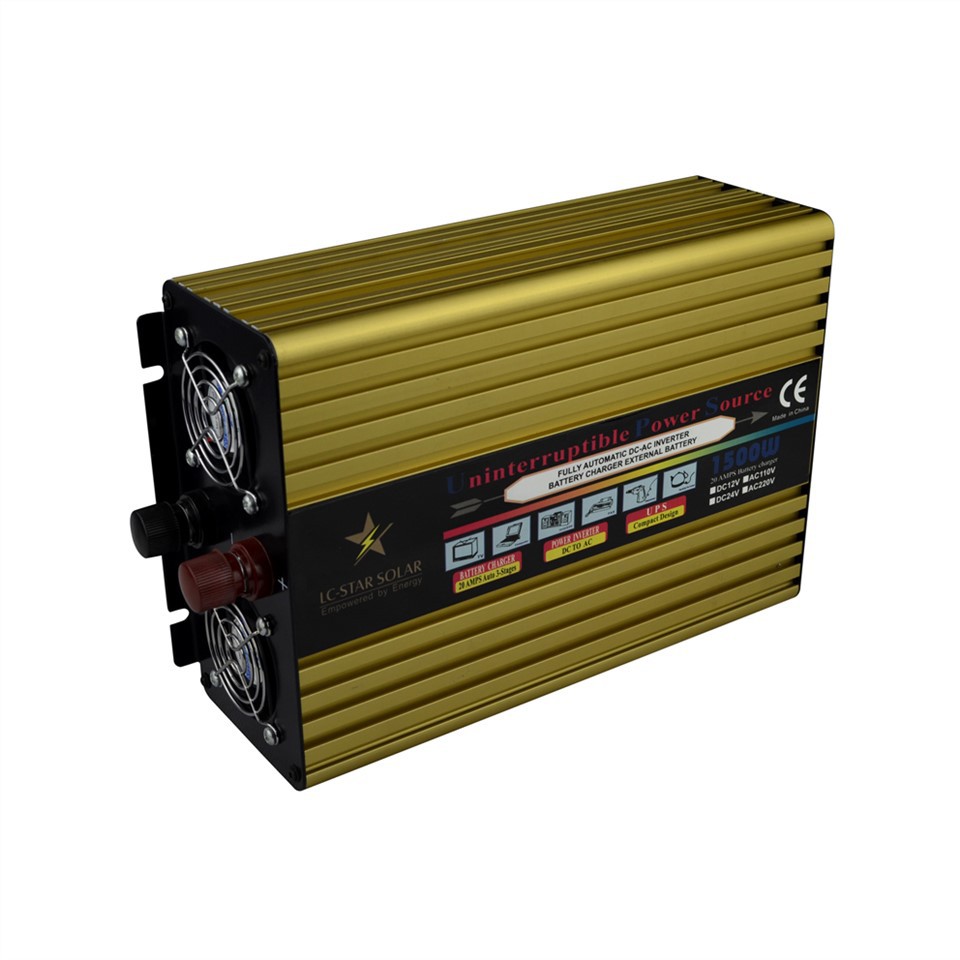
How Do UPS Systems Work?
When a power failure occurs, the UPS system immediately springs into action. The most crucial aspect of any UPS system is its ability to detect an interruption and respond instantly. This seamless transition between the main power supply and the UPS system occurs so rapidly that most users are unaware that the power has failed at all.
Power Detection: A UPS constantly monitors the incoming voltage from the primary power source. Once a power failure, surge, or voltage drop is detected, the system instantly reacts. For example, in the case of a power cut, the UPS quickly identifies the interruption and begins to deliver energy from its batteries.
Battery Activation: The moment the power failure is detected, the UPS switches over to its battery. Batteries in a UPS are typically large, sealed, lead-acid batteries or, in more advanced models, lithium-ion batteries. These batteries are fully charged under normal conditions and act as the reserve power source.
Inverter Function: The core functionality of a UPS system lies in its inverter. Inverters are responsible for converting the stored DC power from the batteries into AC power, which is what most electrical equipment requires. The transition from DC to AC is accomplished without any noticeable disruption, ensuring that critical equipment continues to operate as normal during the outage.
Continuous Power Supply: After the initial switch to battery power, the UPS provides uninterrupted electricity to connected devices. The system also features an automatic bypass switch, which helps in the event of a failure within the UPS system itself. This bypass ensures that even if a component of the UPS malfunctions, the devices connected to the system will still receive power from the main grid.
Recharging: When the power supply returns to normal, the UPS system switches back to the main electricity grid, recharging its batteries so they are ready for the next potential power outage.
Why Are UPS Systems Essential in Modern Applications?
Given the crucial role UPS systems play in providing reliable power, it is evident that their applications are vast and essential. From ensuring home appliances remain powered during brief blackouts to supporting data centers where downtime is financially crippling, the use of UPS technology spans multiple sectors.
Residential Use
UPS systems are common in households, where they are typically used to maintain the functioning of critical devices such as computers, televisions, and network equipment during short-term power interruptions. This ensures that activities like work, entertainment, or security systems are not disrupted.
Data Centers and IT Systems
Data centers, which house an enormous amount of data infrastructure and cloud-based services, rely heavily on UPS systems. A power failure in a data center can result in data corruption, server downtime, and loss of business continuity. UPS systems safeguard the continuous operation of critical IT infrastructure by ensuring that data can be saved and servers can shut down properly during power outages.
Healthcare Applications
In healthcare settings, where equipment like ventilators, heart monitors, and life support systems are used, UPS systems provide life-saving protection. A failure in such environments can lead to severe consequences, making UPS systems crucial in hospitals, clinics, and emergency response centers.
Industrial and Commercial Use
In industrial operations, manufacturing lines, control systems, and automated equipment often require uninterrupted power to function. A single moment of downtime can result in a substantial loss of productivity or equipment damage. UPS systems ensure that critical industrial operations continue without interruption, thereby preventing costly production delays.
Telecommunication Networks
Telecommunication towers and data communication hubs also rely on UPS systems to provide consistent power during outages. Given the critical nature of communication in the modern world, telecom companies ensure that their networks remain active without disruption through robust UPS installations.
As we continue to depend more heavily on electricity to support every aspect of our lives, from business to healthcare, the importance of reliable, uninterrupted power cannot be overstated. UPS systems offer a vital line of defense against the unpredictable nature of power grids. Their technological sophistication, which includes fast-response mechanisms and the ability to supply continuous power during outages, makes them indispensable in modern-day operations.
As technology evolves, UPS systems are becoming more energy-efficient, sustainable, and intelligent. Lithium-ion batteries, IoT integration, and smart monitoring are already enhancing UPS technology, promising a future where power supply reliability will be even more assured. For businesses, households, and critical infrastructure, UPS systems are no longer optional; they are a critical component of ensuring continuity and safety in the digital age.
Sources:
Smith, J. (2020). "Advances in Uninterruptible Power Supply Systems." PowerTech Journal.
Roberts, L. (2021). "The Role of UPS Systems in Data Centers." Tech Today.
Liu, H. & Zhang, Q. (2022). "UPS Systems: A Lifeline for Healthcare Equipment." Journal of Medical Engineering.